LinkedIn Marketing Strategy: Complete Guide for 2024

Key Highlights

  1. Discover the evolution and significance of LinkedIn as a pivotal marketing platform in 2024.
  2. Learn essential strategies and tools for LinkedIn marketing success, including setting up a compelling business page and defining marketing objectives.
  3. Explore advanced techniques such as mastering LinkedIn’s algorithm and leveraging LinkedIn groups for business growth.
  4. Understand how different business segments, including B2B and B2C, can effectively utilize LinkedIn for marketing purposes.
  5. Gain insights into integrating external tools like CRM systems and marketing automation for optimizing LinkedIn marketing efforts.
  6. Learn how to measure and adjust your LinkedIn marketing strategy based on key performance indicators and analytics insights.

What is LinkedIn marketing?

LinkedIn marketing is about using the platform to help your business grow. This includes building a strong profile, connecting with people, sharing useful information about your industry, and creating focused ads.

LinkedIn marketing

Understanding LinkedIn Marketing in 2024: LinkedIn campaign types

LinkedIn marketing in 2024 uses advanced strategies to make the most of the platform for growing businesses. It focuses on lead generation and thought leadership. Companies connect with their target audience using different content types, such as video and text ads. Analytics and lead gen forms provide better insights for creating personalized campaigns. As LinkedIn becomes an important part of digital marketing, it is essential to keep up with trends and algorithm changes. This helps increase brand visibility and engagement. Using tools effectively and improving content strategies are key to running successful LinkedIn marketing campaigns.

The Evolution of LinkedIn as a Marketing Platform

LinkedIn has grown a lot as a marketing tool. It is no longer just a place to network with professionals. Now, it is a strong center for business activities. Companies use LinkedIn for lead generation, brand building, and thought leadership. Tools like text ads, message ads, and lead gen forms have improved marketing plans. LinkedIn can target specific job titles and industries. This makes it easier to reach the right audience. This change shows how using social media can help businesses grow.

LinkedIn’s Role in the Digital Marketing Ecosystem

LinkedIn is very important in digital marketing. It offers a special platform for businesses to connect with other professionals. This is especially useful in a B2B setting. LinkedIn is a top social media channel for sharing ideas and generating leads. It also allows targeted advertising through different types of ads, such as text ads, message ads, and video ads. Also, its strong analytics tools help marketers track how well their campaigns are doing and make them better. By using LinkedIn’s large network and data, businesses can boost brand awareness, drive more traffic to their websites, and find quality leads in a professional environment.
marketing solutions

Preparing for LinkedIn Marketing Success

To succeed in LinkedIn marketing, it’s important to use key tools. One of these tools is LinkedIn Analytics, which gives you useful insights. You should also set up your business page in a professional way.

Start by defining clear marketing goals and knowing your target audience. This helps you create engaging content and grow your LinkedIn network. Using analytics can support your growth.

Also, think about using LinkedIn ads in a smart way to increase your visibility. When you connect your strategy with data-driven choices and engaging content, you create a strong foundation for LinkedIn marketing.

Essential LinkedIn Marketing Tools and Resources

To do well in LinkedIn marketing, using important tools and resources is crucial. You should use LinkedIn Analytics to know more about your audience and how your campaigns are doing. Lead Gen Forms help you get leads easily. Conversation Ads allow you to connect with people in a personal way. Look at dynamic ads for eye-catching visuals, and check out LinkedIn Learning to keep growing. Also, use employee advocacy and content strategy tools to boost brand awareness. If you use these resources well, they can greatly improve your LinkedIn marketing efforts.

Setting Up Your LinkedIn Business Page

To have a strong presence on LinkedIn, it’s important to set up your LinkedIn business page. Start by making sure your page shows your brand clearly. Use your company name, logo, and an eye-catching cover image. Fill out all parts of the profile. This should include a clear and strong description of your business. Add your contact information. Include important keywords to help with search optimization.

Post useful content regularly. This will help you engage with your audience and show your expertise in your field. Use LinkedIn Analytics to check how your page is doing. This way, you can make smart choices to improve your marketing strategy.

Linkedin logo with marketing

Crafting a Winning LinkedIn Marketing Strategy

Creating a good LinkedIn marketing strategy starts with setting clear goals for your audience. Use LinkedIn analytics to find out who your target audience is and gather relevant content for them. Connect with your network by sharing insights from your industry and showing your thought leadership. You can also use different types of ads, like message ads and sponsored content, to make your brand stand out. Set up lead gen forms and keep track of your conversion rates to see how well you’re doing. By balancing both organic and paid methods, you can improve your LinkedIn marketing results.

Defining Your Marketing Objectives on LinkedIn

To do well in LinkedIn marketing, having clear goals is important. Start by writing down specific objectives. These can focus on lead generation, brand awareness, or thought leadership. Make sure to define your target audience carefully. Look at their job titles, pain points, and industry needs. Create a content strategy that matches these goals. Use different formats like video, text, or document ads. Adjust your strategy to connect with your audience and get them to engage. Always check LinkedIn analytics to see how you are doing with your goals and change your approach as needed.

Identifying and Understanding Your Target Audience

Crafting a good LinkedIn marketing strategy starts with knowing your target audience. You can use LinkedIn analytics to find important information about who they are. You can discover what they like. You can learn how they act on the platform. When you understand their preferences and pain points, you can make content just for them. This will help boost engagement and get more conversions. It’s important to break your audience into smaller groups based on job titles, industries, or company sizes. This way, you can share personalized content that meets their needs and interests directly.

Beginner’s Guide to LinkedIn Marketing

To do well in LinkedIn marketing as a beginner, start by creating great content and growing your network. First, optimize your profile and post updates related to your industry to build trust. Engage with your audience by commenting and messaging them to make real connections. Use LinkedIn analytics to check how you are doing and adjust your strategy. Look into advertising options like text, message, and dynamic ads to improve your visibility. Being consistent in posting valuable content and interacting with users is important for building a strong presence on the platform.

What You Need to Get Started

To begin your LinkedIn marketing journey, you need a clear strategy that fits your business goals. First, optimize your LinkedIn profile and create a strong company page to build trust. Next, find your target audience and make engaging content that meets their needs. Use LinkedIn analytics to check how well you are doing and improve your plans over time. Get to know different ad types, like text ads and message ads, to reach your audience better. Finally, grow your network by connecting with industry leaders and sharing useful insights.

Step 1: Creating Engaging Content

To start your LinkedIn marketing strategy, create content that people want to engage with. Focus your posts on the pain points and interests of your target audience. Use a mix of text, images, videos, and documents to make your feed interesting and fun to look at. Share pieces that show thought leadership, personal stories, and insights from your industry. This helps to place your brand as a thought leader. Try out different types of content to find what your audience likes best. Use visuals and storytelling to make your profile stand out and be memorable.

Step 2: Building Your LinkedIn Network

To build your LinkedIn network well, begin by connecting with professionals in your industry. Look for thought leaders and potential clients. Engage with their posts by leaving smart comments and sharing useful insights. Use LinkedIn’s search feature to find contacts by job titles, companies, or interests. Join groups that focus on your industry to grow your network and take part in discussions. When you send connection requests, personalize them with a short message that mentions shared interests or goals. Interact with your network regularly by sharing helpful content and engaging with their updates. Building a good network on LinkedIn helps you reach more people and find new opportunities.

Target Audience

Step 3: Engaging with Your Audience

Engaging with your audience on LinkedIn is very important for making strong connections. Respond to comments on your posts. Ask questions to start discussions. Take part in relevant groups too. Make your interactions personal by using names and sharing helpful insights. Use LinkedIn messaging to build relationships. Offer industry insights and solutions to their pain points. Get your audience involved by creating polls, sharing behind-the-scenes content, and organizing contests or giveaways. Remember, real engagement helps build trust and loyalty, which can help grow your business.

Step 4: Utilizing LinkedIn Analytics for Growth

Using LinkedIn analytics for growth is very important for improving your marketing efforts. By looking at things like engagement rates, follower details, and how well your content is doing, you can get helpful insights to improve your strategy. Find out which content works best, learn about your audience’s behavior, and keep track of important performance indicators to make better decisions. Use this data to shape your future content, manage your resources wisely, and help your business grow. Regularly check and change your plans based on these analytics to remain strong in the changing world of LinkedIn marketing.

Step 5: Leveraging LinkedIn Ads for Increased Visibility

LinkedIn ads are a strong tool to increase awareness for your business. You can use various types of ads like text ads, message ads, video ads, and dynamic ads to reach your target audience accurately. Create powerful ad campaigns that connect with what your audience struggles with and what interests them. This will encourage them to take action. Check how your ads are doing by using LinkedIn analytics to improve your campaigns for better outcomes. Spend time learning about the ad types that fit your goals to get the most visibility and interaction.

Advanced LinkedIn Marketing Techniques

To be great at LinkedIn marketing, it is important to understand the platform’s algorithm. This knowledge helps you reach more people. Using LinkedIn groups well can help your business grow by creating valuable connections and interactions in your field. When you learn these advanced techniques, you can improve your marketing and aim for amazing results. This will also help you become a thought leader in your industry. By using LinkedIn’s algorithm and group tools, you can increase your brand’s visibility and engagement. This will make you stand out from your competitors.

Mastering LinkedIn’s Algorithm for Better Reach

LinkedIn’s algorithm is important for how many people see your content. To get more reach on LinkedIn, make sure to create engaging and high-quality content that your target audience likes. Keep a consistent posting schedule. Share posts regularly and at the best times to be seen more. Use different content types, like videos, text posts, and documents, to improve your content strategy. Encourage real interactions by answering comments and messages quickly. By knowing how LinkedIn’s algorithm works and adjusting your approach, you can greatly improve your reach and engagement.

Effective Use of LinkedIn Groups for Business Growth

Joining and taking part in LinkedIn groups can help your business grow. You can meet other people in your industry, share helpful ideas, and show that you have expertise. Be sure to post useful content, help solve common pain points, and connect with new leads. By building relationships in these groups, you can grow your network, bring more visitors to your business page, and increase your brand’s visibility and trust. Using LinkedIn groups well can really improve your marketing efforts.

LinkedIn Marketing for Various Business Segments

LinkedIn marketing is all about adjusting your strategies to fit the needs of different kinds of businesses. For B2B marketing, it’s very important to focus on lead generation and showing thought leadership. B2C businesses, however, should create engaging content to increase brand awareness. Knowing the specific pain points of each group helps you make strong campaigns. When you match your content with what your target audience needs, you can really boost engagement and conversion rates. LinkedIn is a flexible platform that helps you reach the right people in various sectors with messages that fit.

Ad Campaigns

B2B Marketing Strategies on LinkedIn

LinkedIn is great for B2B marketing, which is when businesses sell to other businesses. To do well here, share your knowledge through content that solves problems in your industry. Use different ad formats like text, message, and video ads to grab the attention of your target audience. You should also try conversation ads to create real connections. Use LinkedIn’s detailed data to improve your methods over time. Encourage your employees to share content which can boost your brand’s reputation and help you find good leads. Try different types of content to find out what your audience likes best.

B2C Marketing Tactics for Success on LinkedIn

Building a good B2C marketing strategy on LinkedIn means connecting with its professional users in an easier way for consumers. Use interesting visuals like videos or nice graphics to attract possible customers. Adjust your content to focus on what individual consumers need and want, not just businesses. Use LinkedIn’s targeting options to find the right groups of people. Use both text and message ads to reach more users. Stay active with your audience by replying quickly to messages and comments to create strong relationships.

Integration of External Tools with LinkedIn

LinkedIn lets you connect with many external tools. This helps make your marketing strategies better. By linking CRM tools, you can smoothly manage lead generation. Tools like Zapier can schedule posts and handle simple tasks. This saves you time and increases productivity. Using other analytics tools gives you complete insights beyond LinkedIn analytics. This helps you make better choices for optimizing campaigns. Email marketing platforms that connect with LinkedIn allow for targeted outreach. This means your efforts stay in sync across platforms, leading to better audience engagement. Use these integrations to improve your LinkedIn marketing.

Enhancing Your LinkedIn Marketing with CRM Tools

Customer Relationship Management (CRM) tools are very important for your LinkedIn marketing. When you connect CRM tools with LinkedIn, you can make lead generation easier. You can also keep track of how customers interact with you and make your marketing more personal.

These tools give you helpful information about customer behavior. This can help you adjust your approach for better engagement. Using CRM tools on LinkedIn helps you take care of leads, raise conversion rates, and form strong relationships with your target audience. This will make your marketing campaigns more effective. When you combine CRM tools with LinkedIn, you can create better and more focused marketing efforts.

CRM Uses

Automating Your Marketing Efforts on LinkedIn

Automating your marketing on LinkedIn can make your work easier and save time. By using automation tools, you can schedule your posts, check performance metrics, and connect with your audience more easily. Tools like Hootsuite, Buffer, or HubSpot help share content across different platforms. This keeps your message consistent. Automating tasks like replying to messages or sharing content can help you keep a good online presence without needing to do everything by hand. Using automation in your LinkedIn marketing strategy gives you more time for planning and creating new content.

Troubles faced during LinkedIn Marketing

LinkedIn marketing, while a powerful tool for businesses, can present its own set of challenges. One common issue faced during LinkedIn marketing is the struggle to stand out in a sea of content. With so many professionals and companies vying for attention on the platform, it can be difficult to make your posts and profile distinct and memorable.

Another challenge is maintaining consistent engagement with your audience. LinkedIn’s algorithm favors frequent and meaningful interactions, so staying active on the platform is crucial. This can be time-consuming, especially for businesses that may not have dedicated resources for social media management.

Additionally, generating leads through LinkedIn marketing can be a hurdle for some businesses. Converting connections into customers requires a strategic approach and compelling content that resonates with your target audience.

Lastly, measuring the effectiveness of your LinkedIn marketing efforts can be challenging. Understanding which metrics to track and how to interpret them is essential for optimizing your strategy and achieving your marketing goals on the platform.

Measuring Your LinkedIn Marketing Success

LinkedIn marketing success can be measured by looking at certain Key Performance Indicators (KPIs). These can include engagement rates, click-through rates, conversion rates, and lead generation numbers. When you check LinkedIn Analytics, you can see how well your campaigns are doing and change your strategy if needed. It’s important to keep an eye on how your content and ads perform, as well as your overall presence on LinkedIn. Adjusting your approach based on the data helps make sure your LinkedIn marketing connects with your business goals. This will improve your results and the return on investment.
Linkedin Analytics

Key Performance Indicators (KPIs) to Track

Measuring how well your LinkedIn marketing works is important for improving your performance. Key Performance Indicators, or KPIs, give you useful information about how effective your strategies are. You should track numbers like engagement rates, click-through rates, lead conversion rates, and follower growth. These can help you see how your campaigns are doing. Also, keeping an eye on how specific content types and ad formats perform can help you improve your strategy for better results. By concentrating on the right KPIs, you can use data to make your LinkedIn marketing strategy even better.

Adjusting Your Strategy Based on Analytics Insights

Optimizing your LinkedIn marketing strategy involves looking closely at analytics insights. Using LinkedIn Analytics, you can find important data about content performance, audience engagement, and conversion rates. By analyzing things like click-through rates, engagement levels, and lead generation, you can see what is working and what needs to change. With these insights, adjust your content strategy, change your ad campaigns, or modify your messaging to connect better with your target audience. Keeping an eye on analytics and making changes will help your LinkedIn marketing stay relevant and effective.

Common LinkedIn Marketing Challenges and Solutions

Content saturation on LinkedIn is a common problem for businesses that want to be noticed among a lot of other posts. To deal with this, you should focus on making quality content instead of just making a lot of it. Make sure your content connects to the specific pain points of your audience. Also, use different types of content like videos or infographics. Keeping up with changes in LinkedIn’s algorithm can help you stay visible. It’s really important to engage with your audience often and join in conversations. This way, you can fight content saturation and ensure your content gets to the right people.

Overcoming Content Saturation on LinkedIn

In a world full of content, it is important to stand out on LinkedIn. You need to plan wisely. To cut through the noise on LinkedIn, focus on quality rather than many posts. Make your posts meet the needs of your target audience. Share unique ideas to show your thought leadership and provide valuable content. Join in real discussions with your connections to build stronger relationships. You can also use different formats, such as video ads and document ads, to mix up your content strategy. By giving useful and relevant content often, you can get noticed by the people you want to reach.

What is Target Market

Navigating LinkedIn’s Changing Algorithms

Understanding and adjusting to LinkedIn’s changing algorithms is very important for good marketing. These updates affect how much people see and engage with your content. To deal with these changes well, keep up with LinkedIn’s official news and updates from the industry. Try out different types of content and post at various times to see how the algorithm reacts. Interact genuinely with your audience, since how much they engage matters to the algorithm. By watching key metrics and changing your strategies, you can align your efforts with the algorithm’s likes for better reach and effects. Stay flexible, try new things, and keep up with algorithm changes to ensure your marketing stays successful.

Case Studies: LinkedIn Marketing Success Stories

LinkedIn marketing success stories show how using smart strategies can really help. Small businesses used LinkedIn to get noticed and connect with their audience better. B2B companies saw great engagement through custom content and focused ads. These case studies show how important thought leadership, interesting content, and using data are to grow on LinkedIn. By looking at these success stories, businesses can learn how to improve their LinkedIn marketing. Case studies give clear examples of how businesses can do well using LinkedIn as a strong marketing tool.

How Small Businesses Thrived Using LinkedIn

Small businesses are doing well on LinkedIn by using the platform’s many features. They show their skills by sharing thoughtful content and connecting with the people they want to reach. This helps them grow brand awareness and get more leads. Writing interesting blog posts, sharing personal stories, and using different kinds of ads made for their audience have been very important. By talking to their followers, quickly answering messages, and often sharing helpful content, these small businesses are thriving on LinkedIn.

B2B Companies Achieving Remarkable Engagement Rates

B2B companies on LinkedIn are seeing great results with their content and interactions. They focus on thought leadership, lead generation, and building strong connections. This helps them to be noticed in a busy online world. By using LinkedIn’s special tools, like lead gen forms and ads, B2B companies can offer personalized experiences for their target audience. This drives better engagement and higher conversion rates. When these companies share industry-related content and use data-focused strategies, they turn their LinkedIn accounts into strong tools for growth.

Future Trends in LinkedIn Marketing

In the changing world of LinkedIn marketing, it is important to keep up with future trends. Predictions for LinkedIn marketing in 2024 show that AI will play a bigger role in giving users more personal experiences. Visual storytelling will still be popular, with short videos and interactive content becoming more common. Using employee advocacy programs and working with influencers will help boost brand visibility. Also, focusing on real engagement and building strong connections will be important for success on the platform. Adapting to these trends will be key to staying relevant and getting a good return on your LinkedIn marketing efforts.

Predictions for LinkedIn Marketing in 2024 and Beyond

The world of LinkedIn marketing will change a lot as we head into 2024 and later. Social media platforms are always evolving, and LinkedIn will likely focus more on real and engaging content. Making marketing plans that fit specific audiences will be key for success. Using AI and automation tools will change how we generate leads and run campaigns on the site. Additionally, using video content and interactive formats will boost user engagement and help increase conversions.

Staying Ahead in the Evolving Digital Landscape

Staying ahead in the fast-changing digital world is very important for a good LinkedIn marketing strategy. By keeping up with the latest trends and updates, you can change your approach to what users want. Talking to industry leaders, trying new types of content, and using dynamic ad features can help you stand out. Being open to new ideas and looking at rising advertising platforms will keep you strong and competitive in the busy digital space.

Conclusion

In the fast-changing world of social media marketing, using LinkedIn’s features is very important for businesses. By using tools like lead gen forms and dynamic ads, companies can get more leads and increase brand awareness. It’s essential to create a strong LinkedIn marketing strategy that fits your target audience. You need to adjust to trends and engage creatively with your audience to stay on top. With a good plan and a clear understanding of LinkedIn’s tools, businesses can do well in the tough online market.

Frequently Asked Questions

What Makes LinkedIn Different from Other Social Media Platforms for Marketing?

LinkedIn is special for business-to-business networking. It is a place for professional content and for groups based on specific industries. Its main focus is on career growth and business relationships. This is what makes it different from platforms like Facebook or Instagram. Companies see the benefit of LinkedIn’s ability for lead generation and its options to target specific audiences.

How Often Should a Business Post on LinkedIn for Optimal Engagement?

To get more people involved on LinkedIn, businesses should try to post at least once every day at the best times. Posting regularly helps keep the audience engaged and makes the content feel new. Checking the analytics can show how often each business should post for the best results.

Can Small Businesses Benefit from LinkedIn Marketing?

Small businesses can really gain from LinkedIn marketing. It can help them get more visible, attract new leads, and build credibility in their industry. Using LinkedIn’s strong platform can make it easier for them to compete and find new chances to grow and connect.

What Are the Most Effective Types of Content on LinkedIn?

To do well on LinkedIn, focus on creating video content to get more engagement. Write informative articles to show your expertise. Use infographics for a nice visual touch. Using these types of content the right way can greatly improve your LinkedIn marketing efforts.

How to Measure ROI from LinkedIn Marketing Activities?

To measure ROI from LinkedIn marketing, you should look at some key numbers. Focus on lead generation, engagement rates, and conversion rates. Use LinkedIn Analytics to check how well your campaign is doing. Then, compare the money spent to the benefits gained. Change your strategies based on what you find. This will help you get better results.

Is marketing on LinkedIn good?

Marketing on LinkedIn is very good for businesses. It has a professional network, targeted ads, and tools for analyzing results. LinkedIn is made for B2B and B2C marketing success. By using LinkedIn’s features, you can boost your brand’s visibility and engage more people.

Should you run LinkedIn Ads?

Running LinkedIn ads can help you reach the right people because of its large user base and options for targeting. There are different types of ads available for different campaign goals. Take some time to look at your target audience and what you want to achieve. This will help you decide if LinkedIn ads fit well with your marketing strategy.

Facebook Marketing Strategy: The Complete Strategy Guide for 2024 | SARK Promotions

What does this blog contain:

  1. Why facebook is still supreme for brands?
  2. Type of Meta/facebook ads.
  3. Tools and resources for facebook marketing.
  4. Guide to facebook content creation.
  5. Power of facebook marketplace.
  6. Detailed lead generation.
  7. Analysing your facebook marketing performance.
  8. FAQs

Key Highlights

  1. This guide explores Facebook marketing strategies tailored for 2024, navigating the platform’s evolution and providing insights into leveraging its immense potential.
  2. We’ll uncover the various Facebook ad formats, how to optimize campaigns, and understand the metrics that truly matter for measuring success.
  3. This comprehensive guide is your roadmap to harnessing the power of Facebook, from setting up a business page to crafting engaging content that resonates with your target audience.
  4. Whether you’re a beginner seeking a starting point or a seasoned marketer aiming to refine your strategies, this guide equips you with the knowledge to excel in the dynamic world of Facebook marketing.
  5. Successfully applying these insights can lead to increased brand visibility, customer engagement, and ultimately, significant growth for your business.

Understanding Facebook Marketing in 2024

In today’s digital world, having a strong online presence is essential for businesses that want to succeed. Facebook has billions of active users. It is a great place to connect with your target audience, increase brand awareness, and reach your marketing goals.

This guide will help you understand Facebook marketing. It gives you the knowledge and tools you need to use Facebook effectively. You will learn how to create a great Facebook page and how to make engaging Facebook content. This guide is designed for success in 2024.

The Evolution of Facebook as a Marketing Platform

From its simple start as a social networking site for college students, Facebook has changed a lot. It is now a major platform for marketing. Facebook is not just about staying in touch with friends and family anymore. It has become a key tool for businesses of all sizes that want to build brand awareness and connect with their target audience.

Facebook marketing has changed a lot over the years. Businesses now have many tools and features to help them reach their marketing goals. To get the most out of these tools, you need to keep up with the newest trends and updates.

As we go into 2024, Facebook is still improving what it offers. This helps businesses connect with their audiences in better and more significant ways.

Facebook marketing
Facebook Marketing

Why Facebook Still Reigns Supreme for Brands and Marketers

Despite many social media platforms available, Facebook is still the biggest player in digital marketing. Its large and varied group of users, along with its strong advertising tools, gives businesses a great chance to boost their marketing strategy.

With billions of active Facebook users, setting up a business page opens up a lot of potential customers. By using Facebook’s targeting features, businesses can make sure their message connects with the right people, which can lead to better results from their ads.

Facebook has many tools for marketers, such as a detailed analytics dashboard and different ad formats. When used well, Facebook marketing can help businesses grow, raise brand awareness, and achieve important results.

What are Facebook ads?

Facebook advertising helps businesses connect with a specific audience using custom messages. Unlike regular posts, Facebook ads let advertisers target people based on details like age, interests, and behaviors.

This targeting makes sure your message gets to people who are most likely to want your product or service. Plus, Facebook ads come in many formats. You can choose from image and video ads, interactive carousels, and others. This variety helps you engage your audience in a great way.

Facebook vs instagram ads

How much does it cost to advertise on Facebook?

A common question from new users of Facebook marketing is, “How much will it cost?” Unfortunately, there is no single answer. Facebook advertising uses a bidding system. This lets you set a daily or lifetime ad budget that fits your financial situation.

You can fully control how much you spend. You can easily manage this through the Ads Manager or Business Manager. Your spending on Facebook ads depends on your target audience, the quality of your ads, and your campaign goals. It’s a good idea to try different ad formats and targeting options to find what works best for your audience.

Types of Facebook or Meta ad Campaigns

The world of Facebook advertising is always changing. It has many ad formats that help with different marketing goals. Knowing these details is important to make your campaign work better and get the best results.

You can choose from eye-catching image and video ads to fun things like carousels and stories. Your choice should match your campaign goals and what your target audience likes. Let’s look at some of the most popular and useful Facebook ads.

Image ads

Image ads are important for Facebook advertising. They are a simple and effective way to show your product or service through visuals. People naturally respond to images, so a good one can grab attention while scrolling through social media feeds. But it’s not enough to just pick any image.

Successful Facebook ad examples use high-quality, attractive visuals that connect with their target audience. Use your brand colors and follow Facebook’s ad guidelines for the best results. When making image ads, think about:

  1. Using clear and simple wording that goes well with your image.
  2. Keeping a consistent brand look across your ads.
  3. Trying different image styles, like product photos or lifestyle pictures, to see what your audience likes best.
Facebook image ads

Video ads

Video content is the most powerful way to reach people today. Video ads on Facebook are a great tool for engaging your audience. They help share emotions, highlight product benefits, and tell exciting stories. As short videos on platforms like TikTok and Facebook Reels grow in popularity, using video marketing on Facebook is now essential for brands wanting to be noticed.

To make your video ads effective, capture attention in the first few seconds. People tend to have short attention spans, so it’s important to grab interest right away. Adding captions is a smart move for those viewing without sound.

Try out different video lengths and styles to find what connects best with your target audience. Whether it is a product demo, a behind-the-scenes look, or a customer review, high-quality video content can really help increase your video views and boost sales.

Stories ads

Facebook Stories are a great way to get noticed and increase engagement. These full-screen content pieces show up at the top of users’ feeds, making them the perfect spot for your brand message.

Facebook Stories allow you to share behind-the-scenes content, promote special offers, or give your audience a look at new products or services coming soon.

Using tools like polls, quizzes, and question stickers in your Stories ads can boost engagement and build community with your audience. Embrace the fun and real feel of stories to connect with your target audience on a personal level.

Messenger ads

Messenger ads are a great way to start talking to your target audience one-on-one. They help create strong connections that can lead to sales. These ads show up in the Messenger app, fitting right into how users already chat.

Messenger ads work well for giving personalized offers, offering customer help, or leading users through a sales process. By using chatbots in your Messenger ads, you can automatically respond and give instant support, making it better for users.

This personalized style not only boosts interaction with the ads but also helps build better relationships with potential customers.

Carousel ads

Carousel ads let you display many images or videos in one ad. This gives you room to show off different products, features, or share a story. Think of carousel ads as a small catalog on Facebook.

Each card in a carousel ad can include its own image or video, headline, description, and call to action. This makes your ad more engaging. By showing a group of products, you can reach more people in your target audience.

When creating carousel ads, remember to:

  1. Make sure your visuals and ad copy work well together to tell an interesting story.
  2. Each card should have a clear call to action that guides users on what to do.
  3. Ensure the design and message match your brand awareness strategy.

Slideshow ads

Slideshow ads are a great choice instead of regular video content. They mix the visual style of videos with the easy use of image ads. These ads show a sequence of images, creating a fun and eye-catching experience for users.

The best thing about slideshow ads is their flexibility. You can use them to highlight product features, offer step-by-step instructions, or tell interesting brand stories. They load quickly, which is great for users with slower internet. This makes them perfect for Facebook marketing in different areas.

Adding music or text can make your slideshow ads even better. This helps to create a more exciting and memorable experience for your audience.

Collection ads

Collection ads are made especially for e-commerce businesses. These ads show your product catalog right in a Facebook ad. They mix discovery and buying, making it easy for shoppers on mobile devices.

A collection ad usually starts with a big image or video at the top. Below that, there is a grid of product images. When someone clicks on the ad, they go to a full-screen view. Here, they can look through your product catalog, learn about specific products, and buy items without leaving the Facebook app.

This easier shopping experience helps more people complete their purchases. If your business depends a lot on online sales, using collection ads can greatly help your profits.

Facebook Ads Library
Facebook Ads Library – Optimize content

Laying the Groundwork for Successful Facebook Marketing

Before you create your Facebook marketing plan, it’s important to know the basics. Having a Facebook Business page alone is not enough these days.

This step is like building a strong base for your marketing campaign on Facebook. Doing these things will help you reach your marketing goals successfully.

Identifying Your Business Objectives on Facebook

Defining your business objectives is very important for creating a successful Facebook marketing strategy. What do you want from this platform? Are you trying to get leads, boost sales, raise brand awareness, or build a loyal community?

Your Facebook business page should help you reach these goals. Once it’s set up, adjust your content and campaign plans to match these goals. Make sure each action helps you achieve your overall business aims.

Whether you want to send more people to your website or sell more products, staying focused on your goals will help you measure and improve your Facebook marketing efforts.

Understanding Facebook’s Algorithm and How It Affects Visibility

Like all social platforms, Facebook uses algorithms to choose what appears on users’ news feeds. Knowing how the Facebook algorithm works is important if you want to increase your content visibility and reach.

Basically, the algorithm focuses on the content that is most relevant and engaging for each user. Some factors that affect this include past interactions, the user’s connection to the profile posting, and engagement metrics like likes, comments, and shares. More engaging content will be shown more often in your target audience’s news feeds.

It is important to keep up with any updates to the algorithm and change your content strategy as needed. Facebook is always changing how it prioritizes content. This means that marketers need to be flexible and adjust to keep their visibility high.

facebook ad tips
Facebook ad tips

Analyzing your competition’s strategy

In business, watching your competitors is a key to success. This is very important for social media marketing. Looking at what works for your competitors can help you build your own marketing strategy.
First, find your top competitors on Facebook. Then, look at how often they post, what types of content they use, and how much people interact with their posts. Think about what they are doing right and what needs to be better.

By spotting chances and weaknesses in their plans, you can set your brand up for success. This will help you attract more of your target audience.

Utilizing Facebook Insights for data-driven decisions

Gone are the days when marketers only relied on gut feelings for making choices. Now, Facebook offers a lot of analytics through its Facebook Insights platform. This helps marketers make choices based on data.

You can find Insights on your Facebook Business Page. It gives you a complete view of how your page is doing. You can track important metrics like reach, engagement, and your audience’s demographics. This helps you understand what your target audience likes. By looking at this data, you can change your content strategy, posting schedule, and marketing approach. This can help you get better results.

Facebook Insights shows you what works, what doesn’t work, and how to improve your strategy for better results.

Incorporating interactive elements such as polls or quizzes

One good way to increase engagement on your Facebook page is to add interactive elements to your content. The times of simple posts are over. Now, people want to have experiences that let them join in, not just read what you say.

Things like polls, quizzes, and Q&A sessions can turn your Facebook page into a lively place for communication. Polls can help you learn about your audience and get them talking, which increases participation.

When you add these elements, you get your followers to connect with your brand. This builds a sense of community and makes your overall Facebook presence stronger.

Collaborating with influencers for increased reach and engagement

In the fast-changing world of digital marketing, influencers have become strong partners for brands. They help in audience growth and raise brand awareness. Working with influencers lets you benefit from their trust and reach. This way, your brand gets in front of more people who are often very engaged.

When you choose influencers to work with, make sure their values match your brand’s. Their followers should also be similar to your target market. It’s important for these partnerships to feel real and connect with what your brand stands for.

Using the power of influencers helps you find new customers. It also boosts your brand message and can lead to big business growth.

Essential Tools and Resources for Facebook Marketing Beginners

Getting started with Facebook marketing can feel overwhelming due to the many tools and resources out there. Don’t worry! There are lots of easy-to-use options made to help newcomers.

This guide will show you what you need to make these strategies work well. First, we will help you understand how to set up your Facebook business page. Then, we will share important tools to boost your Facebook marketing.

Business

Setting Up a Business Page: A Step-by-Step Guide

A Facebook Business Page is really important for businesses. It helps you create a strong presence on social media. You can think of the Facebook page as your digital store. It shows off your brand, products, and services to many people on Facebook. Making a Facebook Business Page is quick and simple. This step-by-step guide will help you do it.

Start by going to the ‘Create Page’ section on Facebook. Follow the steps to share key details about your business. This includes your industry, contact info, and a short description. Pick a good profile picture and cover photo that match your brand.

After your page is live, fill it with content that your target audience will find interesting. It’s important to be consistent with your social media strategy. Set a regular posting schedule to keep your audience engaged.

Essential Software and Tools to Enhance Your Facebook Marketing

As your Facebook marketing efforts gain momentum, leveraging tools to streamline tasks, improve efficiency, and gain deeper insights becomes crucial. Thankfully, Facebook offers a robust suite of native tools and integrates with numerous third-party platforms to amplify your marketing efforts.

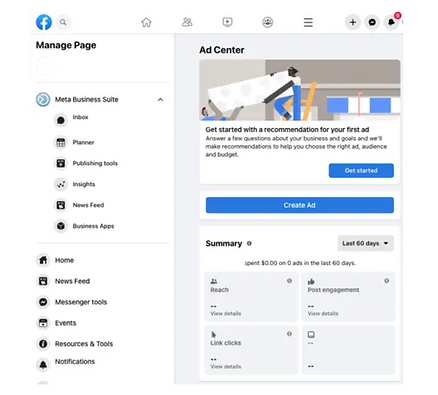
Meta Business Suite, formerly known as Facebook Business Suite, serves as your central command center for managing your Facebook and Instagram presence. This invaluable tool provides a comprehensive dashboard featuring post scheduling, performance analytics, competitor insights, and more.

Tool Description
Meta Business SuiteYour all-in-one platform for managing your Facebook and Instagram presence.
CanvaA user-friendly graphic design tool for creating visually appealing Facebook posts.
Buffer/HootsuiteSocial media scheduling tools allowing you to plan and publish content in advance.
Facebook Ads ManagerYour go-to platform for creating, managing, and tracking the performance of your Facebook ad campaigns.
Facebook Creator StudioA comprehensive platform for creating, publishing, and analyzing the performance of your Facebook posts and Facebook Reels.

The Beginner’s Guide to Crafting a Facebook Marketing Strategy

Now that we have set the stage and learned about important tools, it’s time to create your winning Facebook marketing strategy. A good plan is very important for getting the results you want in any successful marketing effort.

These steps will help you build an effective Facebook marketing strategy. This will change your Facebook presence from being a simple page into an active force for growing your business.

Step 1: Define Your Target Audience

The success of any marketing campaign depends on how well it connects with its target audience (We have talked about this in our article about LinkedIn). Before you start creating content or running ads, it’s important to understand who you want to reach on Facebook. Thankfully, the platform has plenty of data to help you with this.

Begin by looking at your current customers. What are their demographics, interests, and online behaviors? Use Facebook’s Audience Insights tool to gain more knowledge. This tool gives you detailed information about different Facebook users, such as age, location, interests, relationship status, and more.

By making detailed buyer personas that represent your ideal customers, you can adjust your Facebook marketing efforts. This will help your messages speak to this specific group, which can boost the chances of getting more conversions.

Step 2: Set Clear Marketing Goals

What do you want to gain from your Facebook marketing? It is important to set clear and measurable marketing goals. This helps you see how well you are doing and shows your ROI. Your goals should match your overall business objectives.

Are you looking to bring more visitors to your website, get leads for your sales team, or boost brand awareness in a certain target market? Your goals will guide your content strategy, how you structure your ad campaign, and what metrics you focus on in Facebook Insights.

By setting SMART goals (Specific, Measurable, Achievable, Relevant, Time-bound), you give your marketing efforts a clear path. This helps you track how things are going, make changes if needed, and have a bigger impact in the end.

Step 3: Choose the Right Types of Content

Variety makes life interesting, and the same is true for your Facebook content. Trying out different types of content is important. It helps keep your audience interested and shows you what they enjoy most.

Promotional content is useful, but don’t forget that sharing valuable information can work wonders too. Think about sharing helpful blog posts, giving a look behind the scenes, creating fun videos, and making interactive Facebook content like polls and quizzes.

When you mix up your content strategy, you can appeal to many different interests in your target audience. This keeps them entertained and informed, making them more likely to connect with your brand.

Step 4: Schedule and Publish Engaging Content

Consistency is important for a good Facebook marketing plan. Having a regular content schedule helps your audience see steady and interesting Facebook posts from you. This keeps your brand fresh in their minds. Find out when your target audience is most active on the platform and plan your posts to get more views and engagement.

Use Facebook’s built-in scheduling tools in the Meta Business Suite. This lets you plan, make, and schedule your Facebook posts ahead of time. It makes your work easier and helps you publish regularly.

Try posting at different rates to see what works best for your audience. Some pages do well by posting daily. Others get better results by posting less often but in a smarter way.

Step 5: Monitor and Adapt to Performance Analytics

In the fast-changing world of digital marketing, being flexible is not just good—it is necessary. You need to check your performance analytics regularly. Change your strategy based on the data you find. This is important for getting the best return on your investment (ROI) and meeting your Facebook marketing goals. It’s vital to track key metrics like reach, engagement, website clicks, and conversions.

Use this information to see what content works best for your audience. Find out what time brings the most interaction and which ad campaigns give the best results. By looking at these patterns, you can improve your content plan, get the most from your ad budget, and make sure your Facebook marketing matches what your audience likes.

Keep in mind, a good Facebook strategy is not fixed but is always changing. It needs regular analysis and testing to succeed in the ongoing shifts of the digital world.

Mastering Facebook Posts and Content Creation: Power of Facebook Marketplace

Creating interesting content is key to a successful Facebook marketing plan. If your content does not connect with your target audience, your campaigns will not reach their full potential.

This section will look at the best ways to write Facebook posts that grab attention. It will cover how to use visual elements well and how to use features like Facebook Stories and Live Streaming to reach more people and keep them engaged.

Facebook marketplace

Crafting Posts That Captivate and Engage

Your Facebook posts are very important for your social media. These short bits of content help you connect with your audience. They create conversations and build strong relationships. It’s key to create captivating content that really speaks to people. This will boost audience engagement.

First, know what your audience likes and what they struggle with. Think about what type of content will catch their attention. Make Facebook posts that offer something useful. This can be an informative article, a fun video, or a question that gets people talking.

Use simple and exciting language. Add images, ask questions, and invite people to chat in the comments. Being creative can help you stand out in a busy news feed.

The Power of Visual Content: Video promotions on Facebook

In today’s world, visual content is very important. That’s why you need to include good images and video content in your Facebook marketing plan. Visuals can grab attention, stir feelings, and share your brand message in a clear and memorable way.

You can use images to show off your products or services. You can also share behind-the-scenes moments of your company or post inspiring quotes and facts that connect with your audience. It’s a good idea to invest in great photos or use easy design tools to make images that match your brand.

Video content goes even further. It allows you to tell stories, show off your product features, and connect with your audience in a more personal way. Try different video styles, from short, powerful clips to long, detailed explainer videos that give more information.

Leveraging Facebook Stories and Live Streaming for Greater Reach

Facebook Stories are a great way to connect with your audience. They have a full-screen look and disappear after a while. Use Stories to share behind-the-scenes moments, quick updates, or conduct Q&A sessions. You can also offer special promotions just for your followers.

Live streaming allows you to interact in real-time. You can host live Q&A sessions, show how products work, or give behind-the-scenes tours through live video. This can boost your social reach and get more people engaged.

Use live video to show the real you. This can make your brand feel more human and build a stronger community. Live videos often create more trust because they feel genuine to viewers.

Advanced Facebook Marketing Strategies

As you become better at Facebook marketing, you will want to try more advanced methods. These tactics can take your strategy to a new level and help you get great results.

We will talk about using Facebook Groups, making the most of user-generated content, and learning how to set up successful Facebook Ad Campaigns.

Utilizing Facebook Groups to Build a Community

One of the best features of Facebook is its ability to create strong communities through Facebook Groups. These groups provide special places for people with similar interests to connect, talk, and share useful information or resources.

For businesses, starting and taking care of a Facebook Group can be a great way to build a community. You can set up a group focused on your brand, industry, or a particular product. Encourage conversations. Ask interesting questions. Create a friendly and supportive space where people feel good connecting with each other and with your brand.

Building a strong community can lead to more brand loyalty, helpful customer feedback, and even increased engagement on your main Facebook page.

Influencer Collaborations and User-Generated Content

In today’s world of social media, being real matters most. People want to connect genuinely with brands. Often, the most powerful content comes from real users, not just the brands. This is where working with influencers and using user-generated content can help.

Teaming up with influencers in your area can help you reach more people. Influencers already have a trusted voice, and they can connect with many engaged followers. Choose influencers who share your brand’s values. Make sure the collaboration feels natural and genuine.

User-generated content means asking your followers to create and share content that shows your brand. This can include reviews, testimonials, photos, or creative videos that highlight how they use your products or services.

Implementing Effective Facebook Ad Campaigns

While reaching people for free on Facebook is good, using Facebook Ad Campaigns is even better. It lets you target specific groups of people more accurately. This helps you spread your message effectively. Facebook’s strong advertising platform helps make sure the right people see your message at the right time. This can make your ads work even better.

First, set clear goals for your campaign. Do you want to raise awareness of your brand, drive traffic to your website, get leads, or boost sales? Your goals will guide how you design your ad campaign, the creative you use, and the bidding methods you choose.

Try out different ad formats, targeting options, and bidding methods to find what works best for your business goals and audience. Don’t hesitate to test and adjust your strategies. Facebook advertising is always changing. To succeed in the long run, you need to keep improving.

Meta Ads and Lead Generation: A Deep Dive

Meta Ads include ads that you see on Facebook and Instagram. They are a strong resource for businesses that want to get useful leads and grow their number of customers. Learning about Meta Ads can greatly improve your efforts in getting more leads. This includes learning the different types, budget choices, and precise targeting abilities.

If you use Meta Ads in a smart way, they can help your business grow. They connect you directly with people who are already interested in your industry, products, or services. This makes them more open to what your brand has to say.

Meta ads manager

Understanding Meta Ads: Formats, Budgeting, and Targeting

Meta Ads provide many different ad formats to help you reach your lead generation goals. You can try image ads, video ads, carousel ads, and others to see what works best for your target audience.

The targeting choices in the Meta Ads platform let you find your perfect customer. You can select based on demographics, interests, behaviors, and even connections to certain Facebook Pages or events. Using these features helps your ads reach people who are likely to become valuable leads.

Budgeting for Meta Ads is very flexible. You can set daily or lifetime budgets that fit your finances. You can also adjust bids based on how well your campaign is doing. Regularly watch and improve your campaign settings. This way, you can get the most return on investment. Additionally, you can lower your cost per lead.

Strategies for Maximizing Lead Generation with Meta Ads

Successful lead generation with Meta Ads needs a smart plan. You should create campaigns that attract, engage, and turn your target audience into leads. When you use these tested strategies, your campaigns will work better.

Use attractive lead magnets to encourage users to share their contact details. These can be free ebooks, special discounts, access to webinars, or fun quizzes. Make sure your ads and landing pages match. This way, users will have a smooth and engaging experience.

Use Facebook’s Lookalike Audiences feature to reach more people. This lets you find users who are similar to your current customers. When you connect with people who have similar traits to your best customers, you have a better chance of getting high-quality leads.

Analyzing Your Facebook Marketing Performance

Regularly checking your Facebook marketing efforts is important. It helps you see what works well, what needs fixing, and where you can improve your strategy to get the best return on investment (ROI). By looking at your results, you can turn data into useful ideas that make your Facebook marketing more successful.

You can do this by following important metrics, understanding the data, and making changes when needed. This way, your Facebook strategy will keep growing and getting better. It will help you make a bigger impact in the fast-changing digital marketing space.

Key Metrics to Track and Analyze

Effective performance analysis depends on keeping an eye on the right key metrics. Thankfully, Facebook Insights gives you a lot of information to help with your analysis.

Look at engagement metrics like likes, comments, shares, and click-through rates. These will show you how your audience responds to your content. Track your reach to see how many unique users see your posts. Explore demographic data to understand who your audience really is.

By watching these key metrics and spotting trends, you gain valuable knowledge.

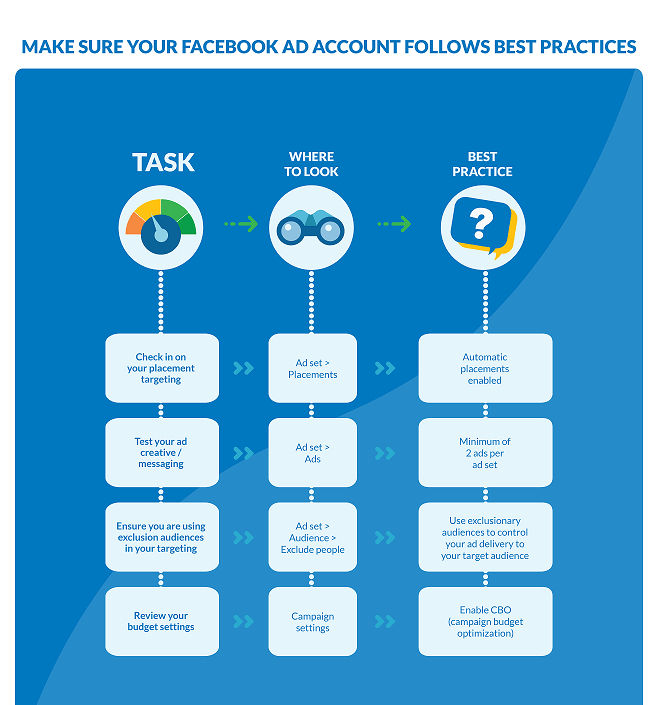
Structure - Meta Ads
Structure – Meta Ads

Tools and Techniques for Measuring Success

Facebook has many tools to help you easily measure your success. You get useful insights right from the platform. Plus, there are third-party analytics and reporting tools that can help you even more.

A/B testing is a great way to compare how different parts of your Facebook marketing perform. With A/B testing, you can try out different ad images, headlines, calls to action, or landing pages. This helps you find out which option gets the best results.

By using these tools and techniques, you can turn your Facebook marketing into smart actions based on data. This will help you achieve and even surpass your goals.

Overcoming Common Facebook Marketing Challenges

Facebook marketing has many benefits, but it also comes with challenges. Marketers face issues like changes in algorithms that can reduce organic reach and a lot of content fighting for attention.

This section will provide you with strategies to overcome these challenges. By learning about these problems and changing your approach, you can help your brand succeed in the ever-changing world of Facebook marketing.

Navigating Algorithm Changes and Content Saturation

With the Facebook algorithm changing all the time and more content filling the platform, it can be hard for businesses to keep up. It’s important to understand these changes and adjust your content strategy so your target audience can see your posts. You should use engaging content formats and be smart about paid advertising. Staying updated on best practices will help you deal with the problem of too much content. By looking at your metrics and changing your strategy, you can handle these issues well and keep a strong position in your Facebook marketing efforts.

Ensuring Privacy Compliance and Data Security

In Facebook marketing, keeping user privacy and data security is very important. It is crucial to follow rules while using user data for targeted ads. With new data protection laws like GDPR and CCPA, businesses must focus on protecting user information. It’s vital to handle data securely and to obtain user consent clearly. Using tools like Meta Business Suite can help you manage your marketing safely on Facebook. Protecting user data helps build trust and keeps your brand’s reputation safe online.

The Role of Social Media Agencies in Facebook Marketing

Partnering with social media agencies can boost your Facebook marketing. These experts know how to create strategies and manage ad campaigns. They understand how the platform works. By using their knowledge of updates and good practices, agencies can better spend your ad money to reach your audience. They also often have tools like Meta Business Suite to improve your campaigns and returns. Choosing an agency for Facebook marketing can give you new ideas and insights to enhance your brand’s presence in the busy social media world.

When to Consider Partnering with an Agency

Partnering with a social media agency can be a smart choice. It can help your business with Facebook marketing. You might want to work with an agency if you need expert help to understand the Facebook algorithm. This is important because the algorithm changes often. You also want to stand out because there is a lot of content out there.

Another reason to engage an agency is to make sure you follow privacy rules and keep data safe. An agency can create special plans that connect with your target audience. This can help boost your brand awareness and engagement on Facebook.

How Agencies Can Elevate Your Facebook Marketing Efforts

Agencies can give you a boost in your Facebook marketing. They use their knowledge in social media advertising and know how to find your target audience. They also work on improving the content in your posts. Their understanding of Facebook’s algorithms means your campaigns follow best practices, which helps with brand awareness and getting more people engaged. Plus, agencies know how to manage ad budgets and ad accounts well. They can also handle different kinds of ad content, like video ads, to achieve good results. When businesses work with agencies, they can access a lot of experience and resources. This can lead to better performance and return on investment in their Facebook marketing.

Case Studies: Successful Facebook Marketing Campaigns

Successful Facebook marketing campaigns show how targeted strategies work. These real-world examples reveal how businesses use Facebook’s wide reach to build brand awareness and increase sales. By looking at these case studies, marketers can learn how to create content that connects with the target audience. Small businesses can make a big difference, and large brands can boost engagement. These success stories highlight how Facebook advertising can be used in many ways. They also remind us to change our strategies based on new algorithms and what consumers want. Check out these case studies to find the secrets behind great Facebook marketing campaigns.

Local Businesses Making an Impact

Local businesses are making a strong impact in their communities through Facebook Marketing Strategy. They use targeted Facebook ads and engaging content to connect with their desired audience effectively. Facebook helps to build brand awareness and draw in new customers. It offers a cost-effective way for small businesses to compete against bigger companies. By using the Meta Business Suite, businesses can manage their Facebook presence well. They can also check their performance metrics and change their strategies for the best results. With social media advertising, local businesses can create a lasting effect in today’s competitive market.

Global Brands Driving Engagement and Sales

Global brands use Facebook marketing to create strong engagement and increase sales. They make interesting content that fits their target audience to reach more people and build good connections with Facebook users. With smart Facebook advertising campaigns, these brands raise brand awareness and bring in new customers effectively. They use tools like Meta Business Suite and Ads Manager to improve how well their ads perform and check important metrics to improve their methods. By keeping up with social media trends and trying new strategies, global brands stay competitive in the fast-changing world of Facebook marketing.

Future Trends in Facebook Marketing for 2024 and Beyond

Emerging technologies like AI will change Facebook marketing. They will provide better targeting options and make ad creation easier. There will be a stronger focus on real, community-driven content. This approach will boost engagement by valuing quality more than quantity. Data privacy and following rules will still shape marketing strategies. Businesses will need to practice transparency and ethics. Interactive tools like Facebook Reels will become more popular. They will meet the changing needs of users. Brands will work to build meaningful connections by using emojis and calls to action. This will help enhance engagement and foster relationships in the fast-changing social media world.

Emerging Technologies Shaping Facebook Marketing

Emerging technologies are very important in changing how Facebook marketing works. New AI algorithms help improve ad performance. AR experiences make it more fun for people to connect with brands. Tools like Meta Business Suite help manage campaigns easily. Data analytics give us valuable insights for better targeting. Using chatbots allows for quick interactions with customers. Creating interactive video content also boosts user engagement. As the digital world keeps growing, it’s crucial to keep up with these tech advancements. This will help you stay competitive in Facebook marketing.

The Importance of Authenticity and Community Building

In today’s quick-moving digital world, being real and building a community are key parts of a good Facebook marketing plan. When you connect honestly with your audience, you build trust and create a loyal group around your brand. Being authentic appeals to Facebook users and can really increase engagement. Community building is more than just getting likes; it’s about making a space where your audience feels important and listened to. This way, you boost brand loyalty and encourage meaningful chats that can really help your business.

Conclusion

To succeed in the digital world, it is very important to have a strong Facebook marketing strategy. Knowing how Facebook’s algorithm works and taking care of data privacy can help businesses solve problems and find new chances. Working with social media agencies can boost results. This is especially helpful for those who want to reach more people. Real-life examples can provide useful tips for creating campaigns that connect with many audiences. In the future, using new technologies and building real connections will be vital for success in Facebook marketing.

Frequently Asked Questions

How do I start Facebook marketing with a small budget?

Starting Facebook marketing on a small budget can be simple. Focus on ads that target the right people. Create content that catches attention and gets people involved. Use Facebook’s tools to aim your ads well. Connect with your audience in a real way. Also, encourage users to join in. This helps you make the most of your budget.

Can Facebook marketing work for B2B companies?

Facebook marketing can really help B2B companies. It uses targeted ads, engaging content, and builds professional connections. By creating strategies that fit business needs, companies can generate leads and increase brand awareness in the B2B field.

What are the most effective types of Facebook ads?

  1. To get more people interested, think about using carousel ads to show several products.
  2. Use video ads to tell a story.
  3. Try lead ads to catch leads quickly and easily.

How often should I post on my Facebook business page?

To get more people involved, try to post 1-2 good posts each day on your Facebook business page. Being consistent is important. Also, keep an eye on your insights. This helps you change how often you post based on what your audience likes and what is popular. It’s better to focus on quality content than to post a lot on social media.

What’s the best way to increase engagement on Facebook posts?

  1. Use eye-catching images and videos.
  2. Hold polls and contests to involve your audience.
  3. Share content made by your users.
  4. Keep talking to your audience through comments and messages.
  5. Having a content calendar for regular posts can really help increase engagement.

What is Youtube Marketing? Definition, Examples & Importance

Key Highlights

Video marketing is a super effective way for brands to get noticed and connect with the people they want to reach. It’s like a secret weapon in digital marketing, making the most of how much everyone loves watching videos on social media. With video marketing, companies can show off what they do or sell, build up their reputation, and make viewers feel more connected and loyal. They create awesome videos that speak directly to their audience while sticking to what they’re all about. By diving into video marketing strategies, brands have the chance to pull in even more folks who might be interested in them, grab their attention right away, and share stuff that gets people talking and interacting. Video marketing isn’t just nice to have; it’s must-have gear for any brand wanting to stand out online today.

Introduction

Video marketing has become a really strong way for brands to reach out and connect with the people they want to talk to, especially now that we’re all living in this digital world. With social media becoming more popular every day and everyone loving video content, it’s no surprise that companies are putting video marketing at the heart of their plans. By using videos, brands can share their stories, show off what they offer, and really get viewers involved on a much deeper level.

In our fast-paced online world where grabbing someone’s attention is tough because there’s so much competition out there, video marketing stands out as a great chance for brands to catch the eye of potential customers and make an impact that sticks around. It doesn’t matter if it’s a fun explainer video, an inspiring story about the brand or even just showing what goes on behind the scenes – videos have this amazing ability to touch hearts, build trust and create real connections with their target audience.

On top of all this cool stuff about how effective videos can be in telling your brand’s tale or showcasing products/services; one big plus is how versatile they are across different platforms. Brands aren’t stuck just using them in one place – instead; they can spread these engaging pieces everywhere from their own websites through various social media channels like Instagram or Facebook right up into programmatic ads too! This means wherever folks hangout online; there’s potential for them getting hooked by your message thanks largely due its presence being felt far & wide which aligns perfectly well considering diverse preferences & interests today.

Video Marketing

Understanding Video Marketing

Video marketing is all about making and sharing videos to spread the word about a brand, product, or service. It’s like creating special videos for people you want to reach, making sure these videos fit what your brand stands for. You can make different kinds of videos such as video ads that pop up online, explainer videos that tell more about something in an easy way, stories that show what your brand is all about, or demos showing how a product works. The main aim here is to grab the attention of folks watching these videos, get them interested with a strong message and encourage them to do something like buy what you’re selling, sign up for more info or share the video with friends.

Defining Youtube Marketing in the Modern Era

Nowadays, in the world of digital marketing, using videos for marketing is really important for brands. Thanks to how popular social media has become and how much people like watching videos these days, companies are using video content to connect with their audience better. They make and share videos that not only grab the attention of their target audience but also help achieve what they want with their marketing.

youtube marketing

At the heart of this strategy are video ads. These are short clips made specifically to advertise a brand or talk about its products or services. With an aim at certain viewers, these ads pop up on places like social media sites, websites where you can watch videos online, and other spots on the internet. Video ads help brands catch people’s eyes by presenting information in a way that’s both good-looking and interesting.

The Evolution of Video Marketing: From Television to Social Media

Video marketing has really changed since it first started on TV. Now, with everyone using social media and having smartphones in their pockets, watching videos is easier and more common than ever. Places like Facebook, Instagram, and YouTube are where most people go to watch all kinds of videos. Brands have seen this trend.

Nowadays, brands can make videos and share them on these social media sites to reach lots of people and connect with them directly. They’ve got a bunch of choices for the kind of video they want to use – from quick clips like you see on Instagram Stories or TikTok to longer stuff that goes up on YouTube.

With the rise of smartphone technology playing a big part in how video marketing has grown, phones are now super important for watching videos. Since pretty much everyone’s glued to their phone these days; brands focus on making sure their videos work well on those smaller screens so that everyone gets a good experience when they’re watching.

The Significance of Video Marketing for Brands: SEO

Video marketing is super important for brands that want to make a big splash online and really connect with the people they’re trying to reach. It’s got a bunch of benefits that can help these brands hit their marketing targets and grow their business.

For starters, video marketing is an awesome way to show off what you know and build up your brand’s reputation. By putting together top-notch videos that are both interesting and informative, brands can show off what they do best, highlight their products or services, and come across as the go-to experts in their field. This does wonders for getting more people to know about the brand while also building trust with potential customers.

On top of this, using video content is fantastic for keeping viewers interested and coming back for more. Videos have this special power to stir up feelings, tell stories in an engaging way, and leave lasting impressions on those who watch them. When brands focus on making videos that are not just cool but also offer real value, they create strong bonds with viewers. This encourages folks watching to do things like subscribe to a channel or share the video far wide which could even lead some fans straight into buying something from them.

Building Brand Authority through Video

Video marketing is super important for making a brand look like a big deal and helping it stand out online. When brands make videos that are both top-notch and full of good info, they start to be seen as the go-to experts in what they do.

For starters, with video content, if you focus on teaching people something useful—like giving them handy tips, how-tos, or updates about your industry—you can really show off your knowledge. This way, brands get noticed as leaders who know their stuff and gain the trust of the folks they want to reach.

brand authority
Actual and killer content can make brand authority

Another smart move is getting customers involved by having them share their own videos using your products or talking about your services. It’s like showing proof that real people love what you’re doing which makes others more likely to believe in you too.

In short, using video content wisely isn’t just great for promoting stuff; it’s key for making a brand seem trustworthy and well-known online.

Enhancing Customer Engagement and Loyalty: The Metrics

Video marketing is a great way to keep video viewers interested and make them loyal fans. By making videos that are both interesting and useful, companies can grab the attention of people watching, get them excited, and motivate them to do what the company wants.

One smart move for getting more viewer involvement is through interactive videos. With these kinds of videos, people watching can actually join in on what’s happening and make choices that change how the story goes. This doesn’t just keep their attention; it also gives them a unique experience that feels like it’s made just for them.

Using stories in your videos is another powerful method to pull viewers in. Stories have this amazing ability to touch emotions, catch everyone’s eye, and leave a lasting impression. When brands weave storytelling into their video content, they’re able to connect with their audience much more deeply which helps build strong loyalty and connection.

On top of all this, companies can use specific video marketing strategies such as personalized messages through video form live streams or showing behind-the-scenes peeks – all aimed at connecting with audiences on an authentic level These approaches help create an exclusive vibe making watchers feel included within a special community thus encouraging ongoing interest.

customer engagement

A Beginner’s Guide to Video Marketing

Starting out in video marketing might feel like a lot to take in. But, by finding the right way to do it and coming up with a good plan, you can make video content that really speaks to the people you want to reach and helps meet your marketing objectives. Here’s an easy-to-follow guide for beginners on how to dive into video marketing.

Essential Equipment and Resources for Starting: Promote Youtube videos

To kick off with video marketing, there are a few key pieces of gear and tools you should have. Even though it’s possible to make videos with just your phone, getting some basic equipment can really step up how good your videos look.

Here’s what you’ll need to get going in video marketing:

  • Camera: It pays to get a high-quality camera that shoots in great detail. DSLR or mirrorless cameras that can do videos are suggested.
  • Microphone: For a video people want to watch, having clear audio is super important. Get yourself a nice microphone for sound that’s easy on the ears.
  • Tripod: With a tripod, you won’t have shaky footage; it keeps things stable. This comes in handy when doing interviews or vlogs.
  • Lighting: Good lighting makes everything look better on camera. Some simple lighting gear will make sure your videos come out looking sharp and professional.
  • Editing software: To put the final touches on your content, editing software is essential. There’s quite the range from free stuff all the way up to pro-level options based on what you’re willing and able to spend.

By focusing on these essentials for starting with video marketing while paying attention especially towards improving both visual quality and audio clarity ensures engaging content creation right from start!

Business model

Crafting Your Video Marketing Strategy

Before you dive into making videos, it’s key to have a solid plan for your video marketing. This means knowing what you want your videos to do and who they’re for.

Here are some steps to get your video marketing strategy right:

  • Start by figuring out what you hope to achieve with your videos. Do you want more people to know about your brand, get more visitors on your website, or maybe get more leads? Setting clear goals will help steer the direction of the content in your videos.
  • Think about who will be watching these videos. Understand their age group, interests, and problems they might be facing. Knowing this helps make sure that the folks who watch find them interesting and useful.
  • With so many different kinds of videos out there like explainer clips,testimonials, product demos or even behind-the-scenes looks – pick ones that fit best with both what message you’re trying convey as well as appeal directly towards those tuning in!
  • -On top all planning when where each piece should go live; having an organized schedule keeps things running smoothly while also keeping viewers engaged over time through regular updates
  • -Finally don’t forget spread word far wide! Using tools at disposal such platforms (think: social media), sending snippets via email campaigns etc., can really boost how many eyes see work ultimately leading greater success overall campaign

By following these guidelines closely not only does ensure alignment between efforts & desired outcomes but also maximizes chances resonating deeply within chosen demographic thereby enhancing aspects like visibility online presence amongst others significantly too!

KPI
Kpi, strategy and time text on wooden road sign outdoors in nature.

Step-by-Step Process to Launch Your Video Marketing Campaign

To kick off a video marketing campaign that really hits the mark, you need to put some thought and effort into it. Here’s how you can break down the process step by step:

  • First up, think about what your goals are. What do you want this campaign to achieve?
  • Next, get to know who you’re talking to. Who is your audience?
  • Then, decide on the message you want to share with them.
  • After that, figure out which type of videos will best carry your message across.
  • Now comes planning how these videos will be made – consider everything from scripting to filming locations.
  • Once they’re created, choose where these videos will live online for people to find them.
  • Finally, after launching your campaign keep an eye on its performance so you can see what’s working and adjust if needed.

By following these steps carefully in setting up video marketing, not only does it become manageable but also sets a solid foundation for success.

Step 1: Identifying Your Target Audience

When you’re kicking off a video marketing effort, the initial move is to figure out who you’re trying to reach. This means diving into some market research to get who your perfect customers might be, learning about their needs and what bothers them, and figuring out how what you offer can fix those issues for them.

Step 2: Setting Clear Marketing Goals

After figuring out who your target audience is, it’s crucial to define specific marketing goals for your video campaign. With these objectives in mind, make sure they fit well with the bigger picture of your marketing strategies. Goals can vary from boosting brand awareness and getting more people to visit your website, to creating leads or bumping up sales figures.

Step 3: Creating Compelling Content

Next up, think about making video content that really speaks to the people you want to reach. Look at all the different kinds of videos you could make, like explainer videos, showing off your products in action, sharing stories from happy customers or giving a sneak peek behind the scenes. Pick the ones that do a great job of getting your message across to your target audience.

Step 4: Choosing the Right Platforms for Distribution

After making your video content, the next thing to do is pick where best to share it. Platforms like Facebook, Instagram, and Twitter are great for posting videos because lots of people use them and they have cool features for videos. On these sites, you can easily talk to a bunch of viewers by getting comments and shares.

YouTube is also a top choice when thinking about sharing your videos. It’s home to over 2 billion people every month which means your video could get seen by loads of eyes and maybe even become super popular. When you set up a YouTube channel just for your stuff, you create a space where folks who love what you do can keep coming back for more. Making sure your YouTube spot looks good with catchy keywords and thumbnails helps pull in even more watchers.

But don’t forget there are other ways too besides social media or YouTube! You might want to try sending out emails with videos straight to the folks who’ve signed up or putting those clips on either your website or blog page. The key here is figuring out which spots fit best with the kind of people you’re trying to reach as well as what goals you have in mind for spreading word about what makes yours stand out from others’. By carefully choosing where exactly that happens; whether through email blasts directly into subscribers’ mailboxes or ensuring visibility across various platforms including Facebook – this strategy ensures that all efforts put towards marketing via video truly pay off.

Step 5: Analyzing and Adapting Based on Performance Metrics

After your video marketing efforts are up and running, getting attention, it’s really important to check how they’re doing and tweak them as needed. Keeping an eye on different numbers and stats is key to understanding if your video marketing is hitting the mark. By looking at things like how many people watch your videos, how engaged they are, and whether or not they take action after watching can tell you a lot about what’s working well and what might need some changes.

You should keep tabs on several indicators such as the number of times a video has been viewed, for how long people watch it, the click-through rates (CTR), and how often it gets shared. These bits of information help show if your audience likes your videos enough to interact with them in ways that matter for achieving what you set out to do. By keeping track of these metrics regularly, you’ll be able to spot trends or patterns that could point out where improvements can be made.

With all this data from tracking performance metrics like views CTRs ,and engagement levels,, making adjustments becomes crucial so everything lines up better with what viewers want., This might mean changing up the content itself,, which platforms you share it on,,or who exactly you’re trying t,o reach,. Staying alert,and ready,to make these kinds of shifts based,on feedback from performance metrics ensures,your,videomarketing stays effective.and hits its goals..

Types of Video Content That Captivate Audiences

Video content grabs our attention in many different ways, and it comes in a bunch of styles. Explainer videos are one kind that’s really good at breaking down tough ideas or concepts into something easy to get, all while keeping us glued to the screen because they’re so interesting to watch. They make it simpler for folks to see why a product or service is worth their time.

With testimonials and case studies, we hear straight from other customers about their great experiences. This type of video content does an awesome job at making people feel more confident about choosing something since they can see real stories of satisfaction.

Then there are those behind-the-scenes looks, demonstrations on how products work, guides on how to do stuff, and videos that tell a story. Each has its own way of pulling viewers in and holding onto their interest for various reasons.

Explainer Videos and How They Work

Explainer videos are like those cool, short clips that make tricky stuff easy to get. They’re all about showing you the ins and outs of products or services in a way that’s simple to understand. With these videos, it’s all about cutting through the noise and getting down to what matters most – helping folks see why something might be useful for them.

By mixing together things like pictures, someone talking over the video (that’s narration), and some fun animations, explainer videos pull off making learning enjoyable rather than a snooze fest. They chop up hard-to-digest info into bite-sized pieces so people can catch on quick and feel confident about what they’ve learned.

When putting one of these explainer videos together, it’s key to keep everything straight to the point but also engaging. You want your audience not just watching but really understanding what’s being said thanks to clear words, relevant images popping up at just the right time, and stories that draw them in from start till end.

The Power of Testimonials and Case Studies

Testimonials and case studies are types of video content that really help a brand look good and make people trust them more. These videos let real customers talk about how much they like using a product or service, which shows others it’s trustworthy and worth trying.

Testimonials

With testimonials, you get to see happy customers talking about their great experiences with something they bought or used. Seeing real folks share genuine stories makes potential buyers feel better about going ahead with their own purchase from the same brand.

On the flip side, case studies go into more detail on what specific good stuff happened because someone used a product or service. They show off how a company fixed an issue for someone or helped them out in some way, which is super convincing for anyone watching.

Both these kinds of video content work wonders in making people feel okay about choosing one brand over another. By putting forward true stories from satisfied customers, brands can create this vibe of being reliable and solid choices that can sway decisions big time.

Enhancing Video Quality for Better Engagement

To make your video marketing more effective and really grab people’s attention, it’s crucial to work on making your videos better. When you create quality videos, not only do they keep viewers interested but also show that your brand means business.

Paying close attention to the little things is key when creating top-notch videos. This includes focusing on aspects like video production, how things look visually, and the sound quality. By using high-definition cameras, ensuring the lighting is just right, and keeping everything steady with tripods, you can make sure your videos come across as professional and easy on the eyes.

Adding in great visuals and clear audio plays a big part in boosting video quality too. With sharp images full of color and crisp sound; people are more likely to stay engaged and feel like they’re part of what they’re watching.

Tips for Producing High-Quality Videos

To grab your audience’s attention and keep them hooked, making top-notch videos is key. Here are a few pointers to make sure your videos look great and feel professional:

  • For the best video quality, go for high-definition cameras and gear.
  • With good lighting, you can make sure everything looks clear and bright.
  • To keep your footage from being all shaky, consider getting stable tripods or camera stabilizers.
  • Editing your videos with professional software can really improve how they look and feel.
  • Adding cool graphics and animations makes the visual part of your video even better.
  • It’s important to have good audio so everyone can hear things clearly without any trouble.
  • Choosing the right background music or sound effects adds a lot to the vibe of your video.

By sticking to these suggestions and focusing on producing quality content with tools like tripods for stability, ensuring crisp audio, etc., you’ll be able to create standout videos that not only draw people in but also help boost engagement with what you’re showing them.

Incorporating Visuals and Audio That Captures Attention

To keep people watching, it’s key to use interesting pictures and sounds. With things like cool graphics, bright colors, and fun animations, you can really catch someone’s eye and make them remember your video. Making your videos look good is a sure way to make them stick in people’s minds.

Sound is just as important for grabbing attention. Having clear sound and the right kind of music or sound effects can make watching your videos a better experience. It helps pull viewers in by making them feel something special or connected to what they’re seeing.

By picking the right visuals and audio that grab attention, you can create awesome videos that not only stand out but also get your message across to the people you want to reach – which we call our target audience.

Utilizing YouTube for Marketing

YouTube stands out as the top pick for video marketers because it’s got a huge bunch of people using it every month, making it easier to reach lots and lots of viewers. With its 2 billion folks popping in monthly, YouTube lets you connect with an enormous group eager to watch videos.

By kicking off your own YouTube channel, companies get to gather their own crowd and show them their video content straight up. YouTube is packed with cool features and tools that help make your channel better seen by more people. This includes getting good at SEO (that’s just making sure you pop up when someone searches for something related), creating eye-catching thumbnails, and picking the right tags for your videos.

On top of all this organic way of getting noticed, YouTube also has options for running ads on its platform. This means brands can specifically target certain types of viewers they want to attract which helps spread their message even further and beefs up what they’re doing with video marketing.

Why YouTube is a Premier Choice for Video Marketers

YouTube stands out as the go-to platform for video marketers, thanks to its massive audience and the advantages it brings to marketing efforts. With a user base of over 2 billion people logging in every month, YouTube offers an unmatched opportunity to reach a wide range of viewers.

By setting up a YouTube channel, companies can create their own space online where they can interact directly with the people they want to reach. Through YouTube’s easy-to-use interface and powerful tools that analyze data, marketers get deep insights into what viewers like, how they behave, and how engaged they are.

On top of this, YouTube has various advertising choices that let businesses pinpoint exactly who sees their ads. This includes options like pre-roll ads that play before videos start; in-stream ads which appear during videos; and display ads seen on parts of the site. These features make it easier for brands to spread their video content far and wide while keeping tabs on performance through detailed analytics.

Optimizing Your YouTube Channel for Maximum Visibility

If you want your YouTube channel to get noticed and make a big splash, it’s super important to set it up in a way that both people and search engines can find it easily. Here are some straightforward steps on how to do just that:

  • By including the right keywords in your video titles, descriptions, and tags, you’re helping your videos show up better in searches.
  • Making thumbnails that catch the eye is key because they grab people’s attention and get them to watch your stuff.
  • With playlists, you can group similar videos together so folks have an easier time finding what interests them on your channel.
  • It really helps when viewers hit subscribe or interact with likes, comments, and shares—it shows their support for what you’re doing!
  • Keep adding new cool content regularly; this keeps things fresh for everyone who follows along.
  • Don’t forget about sharing links to your YouTube stuff on other social media sites or even on a website if you’ve got one. This spreads the word even further.
  • Using YouTube’s own tools lets you see how well things are going so then tweak as needed.

Stick with these tips for making sure more eyes land on your youtube channel which means more engagement from viewers all around!

Measuring the Success of Your Video Marketing Efforts

To really get how well your video marketing is doing, it’s super important to keep an eye on the results of what you’re putting out there. This means looking closely at certain numbers and stats that tell you if your videos are hitting the mark or not. By keeping track of these things, called key performance indicators (KPIs), you can figure out what’s working and make smart choices moving forward.

Here are some KPIs worth watching: how many people watch your videos, how long they stick around to watch them, interactions like likes, comments, shares, and whether or not people take action after watching. These bits of info help show if folks enjoy your content enough to engage with it in meaningful ways and if those efforts align with what you want to achieve overall.

By staying on top of these metrics regularly and digging into the details behind them,you’ll be able to spot patterns that could leadto betteringyour video marketing tacticsand boostinghow effectiveyour campaignsare.

Key Performance Indicators (KPIs) to Monitor

To figure out if your video marketing is hitting the mark, it’s smart to keep an eye on certain key performance indicators (KPIs). This way, you get a clear picture of what’s working. Here are some KPIs worth watching:

  • Video views: How many times people have watched your video.
  • Watch time: The combined duration that viewers have spent watching your videos.
  • Engagement metrics: This includes likes, comments, shares, and other ways people interact with your content.
  • Conversion rates: It shows the portion of viewers who end up doing something you want them to do after watching your video like buying something or signing up for more info.

These bits of information are super helpful in understanding how well your campaigns are doing. They let you tweak and improve video marketing strategies based on solid data. By keeping tabs on these metrics, not only can you see where things might need a bit of work but also steer towards nailing those marketing strategies better over time.

Tools and Techniques for Tracking Engagement and ROI

To really know if your video marketing is hitting the mark, it’s crucial to keep an eye on how engaged people are and what kind of return you’re getting for the money spent. Here’s a rundown of some handy tools and methods that can help with this:

  • With Google Analytics, you get a deep dive into how users interact with your content. It shows everything from how many people are watching to where they come from.
  • YouTube Analytics comes in handy when looking at specifics like who’s watching your videos, for how long, and what they think about them through likes and comments.
  • For those using social media heavily in their campaigns, most platforms have their own analytics tools. These give insights into who’s seeing your posts and how effective those posts are.
  • Figuring out ROI involves tracking both the costs involved in making and sharing your videos as well as any income they bring in. This way, you can see if what you’re doing is actually profitable.

By tapping into these resources for tracking engagement metrics along with calculating ROI from various sources including social media channels like YouTube or even broader ones such as Google itself; marketers can refine their video production techniques alongside overall marketing strategies leading towards more successful outcomes within video marketing efforts specifically tailored around audience preferences captured via detailed metrics analysis provided by aforementioned analytical tools.

Overcoming Common Video Marketing Challenges

Video marketing is super useful but it’s not without its hurdles. Getting past these bumps in the road is key to making your video marketing work well. Here are a few common problems you might run into:

  • When it comes to money, creating top-notch videos can hit your wallet hard. However, places like Amazon offer ways to make quality videos that don’t break the bank.
  • Coming up with video content that grabs and keeps people’s attention isn’t easy. But if you do your homework and plan carefully, this gets a lot easier.
  • With so many things online, getting folks to actually see your videos can be tough. Choosing where to share them and making sure they’re easy for people to find will help a bunch.

Tackling these issues head-on by finding smart solutions means you’ll be able better navigate through the world of video marketing and really connect with your target audience while keeping visibility high.

Addressing Budget Constraints

When it comes to promoting stuff through videos, not having a lot of money can be tricky for lots of businesses. But, there are ways to do this without spending too much and still get great results. One way is by making sure the videos you make really speak to the people you want watching them. This doesn’t mean you have to spend heaps on making these videos look good. Thanks to smartphones and other cheap video gear, creating slick-looking content on a tight budget is totally doable now.

Another smart move is turning what you’ve already got into videos. For example, taking your blog posts or things you’ve put up on social media and turning them into cool watchable content can save cash while keeping things interesting.

Also, getting your viewers involved by using their own clips or stories can be an awesome way to make genuine and engaging stuff that won’t cost an arm and a leg.

By asking folks in your community share their moments related with what they love about whatever it’s that makes sense for your brand could help churn out some real gold without needing deep pockets.

Navigating the Complexities of Content Creation

Making videos for video marketing isn’t easy. It needs a lot of planning and keeping track of everything. You start with coming up with ideas, then move on to writing the video script, shooting the video, editing it, and finally sharing it with others. To get through all these steps smoothly, you really need to know who you’re making your videos for and what you want them to learn or feel from watching them. This helps decide how your videos should look and sound. Managing the project well is super important too because it helps make sure everything gets done on time without wasting resources or people’s efforts. Sometimes this means working closely with camera folks, editors, and anyone else helping out. Using good tools can make creating content easier so that in the end you have quality videos that speak directly to your target audience.

9 YouTube SEO Strategies to Get More Views and Subscribers

YouTube SEO is super important if you want more people to watch your videos and subscribe to your channel. By following these tips, you can make sure more folks find and enjoy your content:

  • Make sure the titles of your videos have important keywords in them.
  • Design eye-catching thumbnails that grab people’s attention right away.
  • In the description of each video, use keywords that matter and tell viewers what action you’d like them to take next.
  • Pick tags carefully so YouTube knows what your video is about.
  • Put your videos into the right categories so it’s easier for viewers to stumble upon them.
  • Ask those who watch your videos to hit like, leave a comment, or share with friends which helps get even more eyes on them.
  • Add closed captions or subtitles; this not only makes it accessible but also boosts SEO efforts.
  • With social media promotion and sharing on other platforms, drive traffic back towards youtube channel
  • Collaborating with fellow YouTubers or influencers can introduce new audiences.

By focusing on these areas such as engaging thumbnails,captions , accurate categorization,and strategic tagging,you’ll improve visibility online making it simpler for subscribers old,new,to discover what they love on Youtube

Future Trends in Video Marketing

With technology getting better all the time, there’s a lot to look forward to in video marketing. Here are two big things coming our way: First off, we’ve got videos that you can interact with and really get into, which makes watching them a whole lot more fun and sticks in your mind longer. Then there’s this thing called virtual reality (VR), which is easier than ever to jump into these days. It lets brands create super cool video experiences that stand out. On top of all that, artificial intelligence (AI) is stepping up by making sure the videos you see are tailored just for you based on what you like and how you watch stuff, making everything feel even more special.

  • With video content becoming more interactive, viewers get a chance to be part of the story.
  • The use of virtual reality (VR) in creating unique viewing experiences is on the rise.
  • Through AI, personalized video content gets smarter by learning from viewer preferences and behaviors.

The Rise of Interactive and Immersive Video Experiences

In the world of video marketing, videos that you can interact with and feel like you’re a part of are becoming more popular. These kinds of videos let people do things like click on certain spots, make decisions, or play around with parts of the video. Because viewers get to be active participants, they find these videos more interesting and tend to stick around longer. With virtual reality (VR), this idea goes even further by putting users into a made-up world where they can look around and touch things as if they were really there. Brands use VR to take people to new places without leaving their homes or show off products in a cool way. By making these interactive experiences possible, brands build stronger connections with their audience which leads to them being more involved and loyal.

Leveraging Artificial Intelligence for Personalized Video Content

Artificial intelligence, or AI for short, is making a big splash in lots of different areas, including the world of content marketing. With the help of AI, companies can make video content that’s really specific to what each person likes and does online. By looking at things like what you’ve looked up on the internet before, where you’re from, and how you interact with stuff online, these smart algorithms can suggest videos that feel like they were made just for you. This makes people enjoy their time watching more and connect better with brands. Imagine getting videos showing products just right for you or messages that hit home because they’re tailored to your interests. That’s what happens when brands use AI in their video marketing strategies – it helps them create connections through personalized videos which means more people buying their stuff happily.

Conclusion

In the world we live in today, getting really good at video marketing is super important for any brand that wants to do well. Video content isn’t just something nice to have; it’s a must-have part of making your marketing work. It helps make your brand look like an expert and gets people more involved with what you’re showing them. To kick off a campaign that actually makes an impact, you need to put together videos that grab attention, pick the best places to share them, and keep an eye on how they’re doing by looking at different metrics. With new stuff like interactive experiences and AI helping make things more personal for viewers, video marketing has a bright future ahead. Even if money is tight or there are other hurdles in the way, both big companies and small ones can use video content as a powerful tool to draw people in and help their brands grow.

Frequently Asked Questions

What is the ideal length for marketing videos?

When it comes to making marketing videos, how long they should be really depends on where you’re posting them and who’s going to watch. But usually, keeping your videos short and sweet works best. Studies have found that people start losing interest after a while, so getting your main point across quickly is key. Videos that are between 30 seconds and 2 minutes long tend to hold people’s attention well. On the other hand, if you need more time for detailed tutorials or showing off a product, longer videos can do the trick too. In the end, think about what you want to say and who you’re saying it to – that’ll help decide how long your video should be for your target audience.

How often should I post new videos for effective marketing?

When it comes to video marketing, how often you should post new videos really depends on what your plan is and how your audience reacts. Keeping things consistent is super important. This means picking a schedule for posting that you can stick with. For some companies, sharing a video once or twice every week works well, but others might need to share more often than that. The trick is finding the right mix of not too much and not too little content. You want to make sure the videos are top-notch and actually useful for people watching them instead of just bombarding them with loads of videos all at once. By keeping an eye on metrics like views, likes, and comments, you’ll get a better idea if what you’re doing is working or if there’s room for improvement in your video marketing strategy.
Can video marketing work for small businesses with limited budgets?

Absolutely, video marketing is a game-changer for small businesses on tight budgets. Thanks to smartphones and budget-friendly video gear, creating quality videos doesn’t have to cost a fortune. On top of that, smart moves like turning what you already have into something new or getting your customers involved in content creation can really pay off. With social media platforms such as YouTube and Instagram at their disposal, small businesses get the chance to connect with lots of people without spending much money. By putting effort into making genuine and captivating content, these smaller players can use video marketing effectively to boost brand awareness and grab the attention of their target audience.

What are the first steps in creating a video marketing strategy?

When you start planning your video marketing, the first thing to do is figure out what you’re aiming for and who you want to reach. Ask yourself what the end goal of your videos is. It could be making more people aware of your brand, getting more visitors to your site, or finding new leads. With that in mind, it’s crucial to know who will be watching these videos. Get a good grasp on what they like, what they need help with, and what grabs their attention.

By understanding this group of viewers better through market research—looking into things like age groups, habits, and what they prefer—you can make sure the video content speaks directly to them. This step makes sure that right from the beginning; everything about your video marketing plan is set up for success by focusing on creating content that appeals specifically to those watching.

What are the benefits of incorporating YouTube into a marketing strategy?

Using YouTube as part of your marketing plan has a lot of perks. For starters, it’s the second biggest place people go to search for things right after Google, which means there’s a huge crowd out there that could see what you’re offering. With YouTube, companies can show off what they do or sell through videos that grab attention and are easy to pass along to others. There are different ways to advertise on YouTube too, like ads before videos start or special sponsored content aimed at just the right viewers to make your brand more noticeable. On top of all this, you can put these YouTube videos on other websites and share them across social media platforms. This not only gets your video seen by more folks but also helps bring more visitors back to your website. In short, adding YouTube into how you market stuff is great for getting noticed more (that’s brand awareness), pulling in interest (engagement), and even getting leads.

How does YouTube marketing differ from traditional forms of advertising?

YouTube marketing stands out from the old-school advertising we see on TV or in magazines. In those traditional spots, it’s all about sending a message one way—from the brand to us. But with YouTube, it’s different; there’s back and forth. Viewers can react through comments, hitting like, or sharing videos they enjoy. Plus, businesses have more control over who sees their ads thanks to targeting options based on what people are into or how they behave online. This is all part of a bigger change towards digital advertising where companies use data and analytics not just to make sure their ads hit the mark but also to understand how well they’re doing in terms of return on investment (ROI).

What are some common mistakes to avoid in YouTube marketing campaigns?

When you’re running YouTube marketing campaigns (Google ads), it’s key to steer clear of some common slip-ups that could trip up your progress. Here are a few things you should watch out for:

  • Not setting specific goals and ways to measure success.
  • Skipping the step where you figure out who your audience is and how best to reach them.
  • Underestimating how crucial high-quality videos are.
  • Forgetting that stories and connecting emotionally with viewers really matter.
  • Not interacting with people who comment or trying to build a community around your channel.
  • Just talking about yourself or what you offer without giving something useful back to those watching.
  • Overlooking the need to make sure video titles, descriptions, and tags are SEO-friendly so people can find them easily on YouTube search results
  • With social media platforms like Facebook or Instagram at our fingertips along with email options for outreach; not using these channels effectively means missing out on potential views
  • Finally, if we don’t look closely at performance metrics from tools provided by YouTube itself (or feedback directly from our audience), we might miss chances

Technical SEO: Optimizing Your Website’s Crawlability

Key Highlights

  • Technical SEO is all about improving a website’s technical aspects to increase its pages’ ranking in search engines.
  • The pillars of technical optimization include making a website faster, easier to crawl, and more understandable for search engines.
  • Technical SEO is part of on-page SEO, which focuses on improving elements on your website to get higher rankings.
  • Google and other search engines prioritize websites that provide the best user experience and can easily understand the content.
  • A technically optimized website is fast, crawlable, free of dead links and duplicate content, secure, and utilizes structured data and XML sitemaps.

Introduction

In this digital age, having a strong online presence is crucial for businesses, and search engine optimization (SEO) plays a vital role in achieving that. While most people are familiar with the basics of SEO, such as keyword research and on-page optimization, there is another aspect that is equally important – technical SEO.

Search Engine Optimization

Technical SEO focuses on optimizing a website’s technical aspects to improve its crawlability and usability. It involves making the website faster, easier to crawl, and more understandable for search engines. By implementing technical SEO best practices, you can increase your website’s visibility, organic traffic, and ultimately, its ranking in search engine results.

While technical SEO may sound daunting, it doesn’t have to be. In this blog, we’ll break down the basics of technical SEO and provide you with actionable tips to optimize your website for better crawlability and usability.

Understanding Technical SEO

Technical SEO is a subset of search engine optimization that focuses on improving a website’s technical aspects to enhance its performance in search engine rankings. It involves optimizing various elements of a website, such as site structure, page load speed, URL structure, internal linking, and more.

The goal of technical SEO is to ensure that search engines can easily crawl and understand a website’s content. By addressing technical issues, you can improve your website’s visibility, organic traffic, and user experience.

The Importance of Technical SEO for Website Health

Technical SEO plays a crucial role in maintaining the health and performance of a website. By optimizing the technical aspects of your site, you can improve its visibility in search engine results and attract more organic traffic.

One of the key benefits of technical SEO is its impact on user experience. A well-optimized website loads faster, has clear navigation, and provides a seamless browsing experience for users. This not only keeps visitors engaged but also encourages them to stay on your site longer, reducing bounce rates.

In addition, technical SEO helps search engines understand and index your website’s content more effectively. By conducting regular site audits and fixing technical issues, you can ensure that search engines can crawl and index your pages properly.

Overall, technical SEO is essential for improving your website’s visibility, attracting organic traffic, and providing a positive user experience.

Website performance and SEO by SARK Promotions

Technical SEO vs. On-Page SEO vs. Off-Page SEO

When it comes to optimizing a website for search engines, there are three main components: technical SEO, on-page SEO, and off-page SEO.

Technical SEO focuses on the technical aspects of a website, such as site structure, page load speed, and internal linking. It ensures that search engines can easily crawl and understand your site’s content.

On-page SEO, on the other hand, involves optimizing individual web pages to improve their visibility in search engine results. This includes optimizing meta tags, headings, content, and keywords.

Off-page SEO refers to activities that are done outside of your website to improve its ranking in search results. This typically involves link building, where you acquire high-quality backlinks from other websites to increase your site’s authority and credibility.

While all three components are important for a comprehensive SEO strategy, technical SEO forms the foundation. Without a technically optimized website, any efforts in on-page or off-page optimization may not yield the desired results.

The role of technical SEO in website optimization

Technical SEO plays a crucial role in optimizing a website for search engine rankings. It ensures that search engines can easily crawl and index your site’s pages, which is essential for appearing in search results.

One of the key aspects of technical SEO is improving your website’s ranking factors. Search engines use various factors to determine the relevance and quality of a website, and technical optimization is one of them. By addressing technical issues, such as page load speed, mobile-friendliness, and site structure, you can improve your site’s ranking potential.

Tools like Google Search Console can help you monitor and identify technical issues on your website. By regularly analyzing and optimizing your site’s technical aspects, you can increase your chances of ranking higher in search results and attracting more organic traffic.

Google Search Console

Conducting a Technical SEO Audit

Conducting a technical SEO audit is an essential step in identifying and fixing technical issues on your website. It involves evaluating various aspects of your site, such as site structure, page load speed, URL structure, and more.

During a technical SEO audit, it’s important to prioritize important pages on your website. These are the pages that generate the most organic traffic or have high conversion rates. By focusing on optimizing these pages first, you can maximize the impact of your technical SEO efforts.

Key Components of a Technical SEO Audit

When conducting a technical SEO audit, there are several key components that you should focus on. These include:

  • XML sitemap: Ensure that your website has a properly formatted XML sitemap that lists all important pages for search engines to crawl.
  • Schema markup: Implement schema markup to provide search engines with additional information about your content, such as product details or reviews.
  • URL structure: Optimize your URL structure to make it user-friendly and descriptive of the page’s content.
  • Page load speed: Improve your website’s load time by optimizing images, minimizing code, and leveraging caching.
  • Mobile-friendliness: Ensure that your website is responsive and provides a seamless browsing experience on mobile devices.
Page speed optimization

By addressing these key components during your technical SEO audit, you can improve your website’s crawlability and usability.

Tools and Resources for Performing an SEO Audit

When performing a technical SEO audit, there are several tools and resources that can help you identify and fix technical issues on your website. Some of the most commonly used tools include:

  • Google Search Console: This free tool provides valuable insights into your website’s performance in search results and can help you identify technical issues.
  • Structured data testing tools: These tools allow you to test and validate your website’s structured data markup, ensuring that it is implemented correctly.
  • Site auditing tools: There are many site auditing tools available that can help you identify technical issues, such as broken links, duplicate content, and page load speed.

By utilizing these tools and resources, you can streamline your technical SEO audit process and ensure that your website is optimized for better crawlability and usability.

Step-by-Step Guide to Conducting a Technical SEO Audit

Conducting a technical SEO audit may seem overwhelming, but by following a step-by-step guide, you can ensure that you cover all the important aspects. Here’s a simplified guide to help you get started:

  1. Set up Google Search Console and verify your website.
  2. Analyze your website’s crawl rate and crawl errors in Google Search Console.
  3. Evaluate your site structure and internal linking to ensure that search engines can easily navigate your website.
  4. Check for any duplicate content issues and implement canonical tags to indicate the preferred version of a page.
  5. Optimize your website’s URL structure to make it user-friendly and descriptive.
  6. Test and validate your website’s structured data markup using structured data testing tools.
  7. Optimize your website’s page load speed by optimizing images, minimizing code, and leveraging caching.
  8. Check for any broken links or 404 errors on your website and set up appropriate redirects if necessary.

By following these steps, you can conduct a comprehensive technical SEO audit and address any issues that may be affecting your website’s crawlability and usability.

Analyzing and Interpreting Your Audit Results

Once you have conducted a technical SEO audit and implemented the necessary optimizations, it’s important to analyze and interpret the results. Here are some key metrics to consider:

  • Search traffic: Monitor your website’s organic search traffic and observe any changes after implementing technical SEO improvements.
  • Page speed: Measure your website’s page speed and monitor any improvements in load time. Faster-loading pages can improve user experience and search engine rankings.
  • User experience: Keep an eye on user engagement metrics, such as bounce rate and time on page. If these metrics improve, it indicates that users are finding your website more useful and engaging.

By regularly analyzing these metrics, you can assess the impact of your technical SEO efforts and make further optimizations to enhance your website’s crawlability and usability.

Optimizing Website Structure for Better Crawling

A well-optimized website structure is essential for better crawling and indexing by search engines. Here are some key aspects to consider:

  • Site architecture: Organize your website’s content in a logical and hierarchical structure, making it easier for search engines to understand the relationship between pages.
  • Robots.txt: Use the robots.txt file to guide search engine crawlers and prevent them from accessing certain parts of your website if necessary.
  • Internal links: Implement a strong internal linking strategy to guide search engine crawlers to important pages and distribute link equity throughout your site.

By optimizing your website’s structure, you can improve its crawlability and ensure that search engines can easily discover and index your content.

Web hosting services

Creating an SEO-Friendly Site Architecture

Creating an SEO-friendly site architecture is crucial for better crawling and indexing by search engines. Here are some best practices to follow:

  • Plan a logical and hierarchical structure for your website, with main categories and subcategories.
  • Use descriptive and keyword-rich URLs that reflect the content of each page.
  • Implement a breadcrumb navigation system to help users and search engines understand the site’s structure.
  • Optimize internal links by using relevant anchor text and linking to important pages.
  • Distribute link equity throughout your site by ensuring that important pages receive plenty of internal linking.

By following these best practices, you can create an SEO-friendly site architecture that improves your website’s crawlability and search engine visibility.

Utilizing Robots.txt and Sitemaps Effectively

Robots.txt and XML sitemaps are crucial tools for controlling how search engine crawlers interact with your website. Here’s how to use them effectively:

  • Robots.txt: The robots.txt file allows you to instruct search engine crawlers which parts of your website should be crawled and indexed. Use it to block access to irrelevant or sensitive pages and directories.
  • XML sitemap: An XML sitemap lists all the important pages on your website and provides search engines with a roadmap for crawling and indexing your content. Regularly update and submit your XML sitemap to ensure that search engines are aware of your most recent content.
  • Crawl rate: Monitor your website’s crawl rate in Google Search Console to ensure that search engines are crawling your site at an optimal rate. Adjust the crawl rate if necessary to prevent unnecessary strain on your server.

By utilizing robots.txt and XML sitemaps effectively, you can control how search engines interact with your website and ensure that your important pages are properly crawled and indexed.

Creating XML sitemaps for search engines

An XML sitemap is a file that lists all the important pages on your website and provides search engines with information about the organization of your site. Here are some best practices for creating XML sitemaps:

  • Include all important pages: Ensure that your XML sitemap lists all the important pages on your website that you want search engines to crawl and index.
  • Update regularly: Regularly update your XML sitemap to reflect any changes or additions to your site’s content.
  • Submit to search engines: Submit your XML sitemap to search engines, such as Google and Bing, to ensure that they are aware of your site’s structure and content.

By creating and maintaining XML sitemaps, you can help search engines better understand and index your website’s content, improving its visibility in search results.

Utilizing internal linking for effective crawling

Internal linking plays a crucial role in improving the crawlability of your website. By strategically linking to other pages on your site, you help search engine crawlers discover and understand the most important content. This helps distribute link equity throughout your site and improves the overall site architecture.

Link Building for better crawling

When implementing internal links, consider the following tips:

  • Use descriptive anchor text that accurately describes the linked page’s content. This helps search engines understand the context of the linked page.
  • Ensure that the linked pages are relevant and provide additional value to the user. Linking to unrelated or low-quality pages can negatively impact your site’s crawlability and user experience.
  • Avoid excessive internal linking, as it can dilute the link equity and make it harder for search engines to determine the most important pages on your site.
  • Regularly audit your internal links to identify and fix any broken or outdated links. Broken links can hinder the crawlability of your site and create a poor user experience.

By optimizing your internal linking structure, you can improve the crawlability of your website and enhance the overall user experience.

Mobile responsiveness and its impact on crawling and usability

In today’s mobile-first world, having a mobile-responsive website is essential for both crawling and usability. With more users accessing the web through mobile devices, search engines prioritize mobile-friendly websites in their rankings.

Mobile responsiveness refers to a website’s ability to adapt and provide a seamless user experience across different screen sizes. It not only affects how users interact with your site but also influences how search engine crawlers access and evaluate your pages.

When optimizing your website for mobile responsiveness, consider the following:

  • Use responsive design techniques to ensure your site adapts to different screen sizes and resolutions.
  • Optimize your page’s URL structure for mobile devices. Short and descriptive URLs make it easier for search engine crawlers to understand the content and navigate your site.
  • Optimize your site’s load time on mobile devices. Slow-loading pages can negatively impact both crawlability and user experience.
  • Test your website’s mobile responsiveness using tools like Google’s Mobile-Friendly Test. This will help you identify any issues and make the necessary improvements.

By prioritizing mobile responsiveness, you can improve the crawlability and usability of your website, ultimately leading to better search engine rankings and user satisfaction.

Improving Website Indexability

Improving the indexability of your website is crucial for better visibility in search engine results. Indexability refers to the ability of search engine crawlers to access and include your web pages in their index.

To improve website indexability, consider the following techniques:

  • Ensure that your is free from duplicate content. Search engines penalize websites with duplicate content as it confuses their indexing process. Use tools like Copyscape to identify and resolve any duplicate content issues.
  • Implement canonical tags to indicate the preferred version of a page when there are multiple URLs with similar content. Canonical tags help search engines understand the original source of the content and avoid duplicate content issues.
  • Submit an XML sitemap to search engines. An XML sitemap provides a list of all the pages on your site that you want to be indexed. Regularly update and submit your sitemap to ensure search engines have access to your latest content.

By implementing these techniques, you can improve the indexability of your website and increase your chances of ranking higher in search engine results.

Techniques to Ensure Your Pages Are Indexed

Ensuring that your web pages are indexed by search engines is crucial for organic visibility. Here are some techniques to improve the indexability of your pages:

  • Submit your website to Google Search Console. This tool allows you to monitor the indexing status of your pages, identify any crawl errors, and submit sitemaps for faster indexing.
  • Optimize your meta descriptions. Meta descriptions provide a concise summary of your page’s content and help search engines understand its relevance. Including relevant keywords and a compelling call-to-action can improve click-through rates and encourage search engines to index your pages.
  • Use internal linking to guide search engine crawlers to important pages. Internal links help establish the hierarchy and importance of your content, making it easier for search engines to index your pages.
  • Regularly update and publish fresh and valuable content. Fresh content signals to search engines that your website is active and relevant, encouraging them to index your pages more frequently.

By implementing these techniques, you can improve the indexability of your pages and increase their visibility in search engine results.

Handling Duplicate Content and Canonical Tags

Duplicate content can negatively impact your website’s search engine rankings. When search engines encounter multiple pages with identical or very similar content, they may struggle to determine which page to rank, leading to a lower overall visibility.

To handle duplicate content effectively, consider the following strategies:

  • Implement canonical tags to indicate the preferred version of a page. Canonical tags help search engines understand the original source of the content and avoid indexing duplicate versions. This ensures that the desired page receives proper indexing and visibility.
  • Regularly audit your website for duplicate content issues using tools like Siteliner or Screaming Frog. Identify duplicate pages, thin content, or near-duplicates and take necessary actions such as consolidation, removal, or rewriting to address the issue.
  • Use 301 redirects to redirect duplicate versions of a page to the preferred version. This consolidates the ranking signals and avoids confusion for search engines.

By effectively handling duplicate content and implementing canonical tags, you can ensure that search engines correctly index and rank your pages, improving your website’s visibility and organic traffic.

Implementing proper redirects for broken or changed URLs: Website crawlability

Implementing proper redirects for broken or changed URLs is essential for maintaining the crawlability and user experience of your website. When pages are moved or removed, redirecting the old URLs to the new ones ensures that visitors and search engine crawlers can still access the intended content.

Consider the following best practices for implementing redirects:

  • Use a 301 permanent redirect to indicate that the old URL has permanently moved to a new location. This ensures that search engines update their index and transfer the ranking signals to the new URL.
  • Regularly check for broken links on your website using tools like Ahrefs or Screaming Frog. Fixing broken links by redirecting them to relevant pages helps improve the crawlability of your site and enhances user experience.
  • Maintain a logical and organized URL structure to minimize the need for redirects. A clear and consistent URL structure makes it easier for search engines to understand your website’s content hierarchy and crawl it efficiently.

By implementing proper redirects, you can ensure that visitors and search engine crawlers can access your content, maintain the integrity of your website’s structure, and improve overall crawlability and user experience.

Optimizing robots.txt file to exclude irrelevant pages from crawling

The robots.txt file plays a crucial role in guiding search engine crawlers on which pages to crawl and which to exclude. By optimizing your robots.txt file, you can improve the crawlability and efficiency of search engine crawlers on your website.

Consider the following tips for optimizing your robots.txt file:

  • Identify and exclude irrelevant pages from crawling. This can include pages with sensitive information, duplicate content, thin content, or low-quality pages. Excluding these pages can help search engine crawlers focus on indexing relevant and valuable content.
  • Regularly review and update your robots.txt file to ensure it accurately reflects your website’s structure and content. As your website evolves, new pages may need to be included or excluded from crawling.
  • Monitor the crawl rate of your website in Google Search Console. Adjust the crawl rate if necessary to ensure that search engine crawlers can efficiently crawl and index your website without causing server overload or impacting performance.

By optimizing your robots.txt file, you can improve the crawlability and indexability of your website, ensuring search engines focus on relevant content while excluding irrelevant pages.

Responsive design

Utilizing canonical tags to avoid duplicate content issues

Duplicate content issues can harm your website’s search engine rankings and user experience. Utilizing canonical tags is an effective strategy to avoid duplicate content issues and ensure search engines understand the preferred version of a page.

Consider the following best practices for utilizing canonical tags:

  • Implement canonical tags on pages with similar or duplicate content. The canonical tag points search engines to the preferred version of the content, consolidating ranking signals and avoiding confusion.
  • Use self-referencing canonical tags on single-page websites or pages with dynamic content. Self-referencing canonical tags signal that the page itself is the preferred version, preventing duplicate content issues.
  • Regularly audit your website for duplicate content using tools like Siteliner or Screaming Frog. Identify and address any duplicate content issues by implementing canonical tags or reworking the content.

By utilizing canonical tags effectively, you can prevent duplicate content issues, improve the indexability of your pages, and enhance your website’s visibility in search engine results.

Enhancing Website Speed and Performance: Important for digital marketing

Enhancing the speed and performance of your website is crucial for both user experience and search engine rankings. Slow-loading websites result in higher bounce rates and lower user satisfaction, negatively impacting your organic visibility.

Consider the following strategies to enhance website speed and performance:

  • Optimize your page speed by minimizing file sizes, reducing server response time, and leveraging browser caching.
  • Compress images and optimize JavaScript and CSS files to reduce page load times.
  • Implement content delivery networks (CDNs) to distribute content geographically and reduce latency.
  • Regularly test your website’s speed using tools like Google PageSpeed Insights or GTmetrix. Identify and address any performance issues to ensure fast and smooth user experiences.

By enhancing website speed and performance, you can improve user satisfaction, decrease bounce rates, and increase your chances of ranking higher in search engine results.

Page Speed Optimization Best Practices: Improve Online Promotions

To optimize page speed and provide better user experiences, consider the following best practices:

  • Minimize HTTP requests by reducing the number of elements on your page, such as images, scripts, and stylesheets.
  • Enable browser caching to store static resources locally, reducing the load time for returning visitors.
  • Compress images using tools like Photoshop or online compressors to reduce file sizes without sacrificing quality.
  • Minify JavaScript and CSS files by removing unnecessary characters, whitespace, and comments.
  • Use a content delivery network (CDN) to cache and serve static resources from servers closer to the user’s location, reducing latency.
  • Consider lazy loading images and videos to only load them when they’re visible to the user, improving initial page load times.

By implementing these best practices, you can optimize page speed, reduce load times, and provide better user experiences on your website.

Leveraging Browser Caching and Minifying Resources

Leveraging browser caching and minifying resources are effective strategies to improve page speed and optimize website performance.

Browser caching allows web browsers to store static resources, such as images, JavaScript files, and CSS files, locally on the user’s device. By setting appropriate caching headers, you can instruct the user’s browser to cache these resources, reducing the need to fetch them from the server on subsequent visits.

Minifying resources involves removing unnecessary characters, whitespace, and comments from HTML, CSS, and JavaScript files. This reduces file sizes and decreases the time it takes for the browser to parse and load these resources.

By leveraging browser caching and minifying resources, you can significantly improve page speed, reduce load times, and enhance the overall user experience on your website.

Importance of optimizing website speed for search engines and user experience

Optimizing website speed is crucial for both search engines and user experience. Here’s why:

  1. Search engine ranking: Search engines, like Google, consider page speed as a ranking factor. Faster-loading websites are prioritized in search engine results, leading to higher visibility and organic traffic.
  2. User experience: Website visitors expect fast and responsive experiences. Slow-loading websites frustrate users, leading to increased bounce rates and lower engagement. Optimizing website speed improves user satisfaction and encourages longer visits and conversions.
  3. Mobile optimization: With the increasing use of mobile devices, website speed becomes even more crucial. Mobile users tend to have slower internet connections, making fast-loading websites essential for a positive mobile experience.

By prioritizing website speed optimization, you can enhance your search engine rankings, improve user experience, and drive better overall performance for your website.

Balancing design and functionality for optimal performance

Balancing design and functionality is crucial for optimizing website performance and delivering a seamless user experience. Here’s how to achieve it:

  1. Streamlined design: A clean and intuitive design improves user engagement and ensures that visitors can easily navigate your website. Removing unnecessary elements and focusing on essential content can significantly improve page load times.
  2. Efficient functionality: Implementing interactive elements and features can enhance user experience, but it’s important to optimize their performance. Use efficient code, minimize external dependencies, and prioritize functionality that adds value without sacrificing speed.
  3. Responsive design: Ensure your website is responsive and adapts to different screen sizes. Responsive design improves user experience on mobile devices, reducing bounce rates and increasing engagement.

By finding the right balance between design and functionality, you can create a visually appealing and high-performing website that provides an optimal user experience.

Using tools and analytics to assess and monitor website performance

Using tools and analytics is essential for assessing and monitoring your website’s performance. Here’s how they can help:

  1. Performance testing tools: Tools like Google PageSpeed Insights, GTmetrix, and Pingdom allow you to test your website’s performance and identify areas for improvement. They provide insights into page load times, file sizes, and optimization recommendations.
  2. Website analytics: Analytics platforms like Google Analytics provide valuable data on user behavior, including bounce rates, page views, and conversion rates. This data helps you identify performance issues and make informed decisions to improve user experience.
  3. Heatmaps and user recordings: Heatmap tools like Hotjar and Crazy Egg provide visual representations of user interactions on your website. User recordings allow you to watch individual user sessions, gaining insights into how users navigate and interact with your site.

By utilizing these tools and analytics, you can continuously assess and monitor your website’s performance, identify areas for improvement, and optimize the user experience.

Ensuring Mobile Usability for SEO

Ensuring mobile usability is crucial for SEO, considering the increasing number of users accessing the web through mobile devices. Here’s why it’s important:

  1. Mobile-first indexing: Google now predominantly uses the mobile version of a website for indexing and ranking. If your website isn’t mobile-friendly, it may not rank well in search results.
  2. User experience: Responsive design and mobile-friendly features provide a seamless experience for mobile users. This improves engagement, reduces bounce rates, and increases the likelihood of conversions.
  3. Mobile device usage: Mobile devices are ubiquitous, and users expect websites to be optimized for mobile browsing. Failing to meet mobile usability standards can result in lost traffic and potential customers.

By prioritizing mobile usability, you can improve your website’s visibility in mobile search results, enhance user experience, and drive more organic traffic.

Fix broken links

The Significance of Mobile-First Indexing

Mobile-first indexing is a significant development in the world of SEO. With the majority of internet users accessing websites through mobile devices, Google has prioritized mobile-first indexing as a ranking factor in its search algorithm. This means that Google predominantly uses the mobile version of a website’s content for indexing and ranking purposes.

Mobile-first indexing is crucial because it ensures that websites are optimized for mobile devices, providing a seamless user experience. Websites that are not mobile-friendly may experience a drop in rankings and visibility in Google search results. Therefore, it is essential for website owners and developers to prioritize mobile optimization to stay ahead in the competitive online landscape.

By implementing mobile-first indexing, Google aims to provide its users with the best possible search experience on mobile devices. This includes faster loading times, responsive design, and easy navigation. Websites that are mobile-friendly are more likely to rank higher in Google search and attract more organic traffic.

Tips for Creating a Mobile-Friendly Website

Creating a mobile-friendly website is crucial for providing a positive user experience and optimizing your site for mobile devices. Here are some tips to help you create a mobile-friendly website:

  1. Responsive Design: Use a responsive design that adapts to different screen sizes and resolutions. This ensures that your website looks and functions well on all devices, including smartphones and tablets.
  2. Mobile-Friendly Layout: Optimize your website’s layout for mobile devices by using a clean and streamlined design. Avoid clutter and make sure that important elements are easily accessible and visible on smaller screens.
  3. Clear Navigation: Simplify your website’s navigation for mobile users. Use a hamburger menu or a clear and concise navigation bar to make it easy for users to find what they’re looking for.
  4. Mobile-Optimized Content: Ensure that your content is optimized for mobile viewing. Use shorter paragraphs, larger fonts, and clear headings to improve readability on smaller screens.
  5. Fast Loading Times: Optimize your website’s loading speed for mobile devices. Compress images, minify CSS and JavaScript files, and leverage browser caching to reduce loading times.

By following these tips, you can create a mobile-friendly website that provides an excellent user experience and improves your site’s visibility on mobile devices.

The importance of mobile-friendly design for SEO

Mobile-friendly design is not only important for providing a positive user experience but also plays a crucial role in SEO. Here’s why mobile-friendly design is essential for your website’s organic search rankings:

  1. Improved User Experience: A mobile-friendly design ensures that users can navigate and interact with your website easily on their mobile devices. This positive user experience leads to longer visit durations, lower bounce rates, and higher engagement metrics, all of which are favorable signals for search engines.
  2. Mobile-First Indexing: With Google’s mobile-first indexing, having a mobile-friendly design is crucial for optimal visibility in search results. Websites that are not mobile-friendly may experience a drop in rankings and organic traffic.
  3. Mobile Search Dominance: Mobile devices have become the primary means of accessing the internet, with a significant portion of search queries originating from mobile devices. Having a mobile-friendly design ensures that your website is optimized for mobile search and can capture this valuable traffic.
  4. Competitive Advantage: Mobile-friendly websites have a competitive edge over non-mobile-friendly websites. By meeting the expectations of mobile users, you can attract and retain more visitors, leading to higher organic search rankings and increased visibility.

In conclusion, a mobile-friendly design is essential for SEO as it improves user experience, aligns with mobile-first indexing, dominates mobile search, and provides a competitive advantage in today’s digital landscape.

Testing and monitoring mobile usability for SEO performance

Testing and monitoring mobile usability is crucial for optimizing your website’s SEO performance. Here are some key reasons why testing and monitoring mobile usability are important:

  1. Identify Mobile Usability Issues: By testing your website’s mobile usability, you can identify any issues that may affect user experience on mobile devices. This includes issues such as slow loading times, broken links, unresponsive design, or poor navigation.
  2. Improve User Experience: By addressing mobile usability issues, you can provide a better user experience for mobile users. This leads to higher engagement, lower bounce rates, and increased time spent on your website, all of which can positively impact your SEO performance.
  3. Mobile-Friendly Design Optimization: Testing and monitoring mobile usability can help you fine-tune your website’s mobile design to ensure it is optimized for different devices and screen sizes. This includes optimizing page speed, improving navigation, and enhancing overall mobile user experience.
  4. Stay Competitive: As mobile usage continues to grow, having a mobile-friendly website is essential for staying competitive. Testing and monitoring mobile usability allow you to stay ahead of the curve and provide an exceptional mobile user experience that can give you an edge over your competitors.

In conclusion, testing and monitoring mobile usability are critical for optimizing your website’s SEO performance, improving user experience, and staying competitive in the mobile-driven online landscape.

Securing Your Website with HTTPS

Securing your website with HTTPS is crucial for protecting user data and establishing trust. Here’s why HTTPS is important for your website:

  1. Data Security: HTTPS encrypts the communication between a user’s browser and your website, ensuring that sensitive information such as passwords, credit card details, and personal data remains secure and private.
  2. User Trust: HTTPS is a visual cue to users that your website is safe and trustworthy. The presence of a padlock icon in the browser’s address bar and the “https://” prefix instills confidence in users and encourages them to interact and transact on your website.
  3. SEO Benefits: Google considers HTTPS as a ranking signal, meaning that websites with HTTPS may receive a slight boost in search rankings. This can lead to increased organic visibility and traffic for your website.

By obtaining an SSL certificate and implementing HTTPS, you can protect user data, establish trust, and potentially improve your website’s SEO performance.

The Impact of HTTPS on SEO and User Trust

Implementing HTTPS has a significant impact on both SEO and user trust. Here’s how HTTPS affects your website:

  1. SEO Rankings: Google has confirmed that HTTPS is a ranking signal, meaning that websites using HTTPS may receive a slight boost in search rankings. This can lead to increased organic visibility and traffic for your website.
  2. User Trust: HTTPS provides a secure and encrypted connection between a user’s browser and your website. This instills confidence in users that their data is safe and protected, leading to increased trust and a positive user experience.
  3. Data Security: HTTPS encrypts data transmitted between a user’s browser and your website, ensuring that sensitive information such as passwords, credit card details, and personal data remains secure and private. This helps protect users from potential security threats and data breaches.

Implementing HTTPS is crucial for both SEO and user trust. By obtaining an SSL certificate and migrating your website to HTTPS, you can improve your website’s rankings, enhance user trust, and protect user data.

Migrating from HTTP to HTTPS: A Step-by-Step Guide

Migrating from HTTP to HTTPS is an essential step in securing your website and improving its SEO performance. Here is a step-by-step guide to help you migrate from HTTP to HTTPS:

  1. Obtain an SSL Certificate: Purchase and install an SSL certificate from a trusted certificate authority (CA). This certificate will encrypt the communication between your website and users’ browsers.
  2. Update Internal Links: Update all internal links on your website to point to the HTTPS version of your pages. This includes updating links within your website’s content, navigation menus, and footer sections.
  3. Update External Links: Reach out to other websites that link to your website and request them to update their links to the HTTPS version of your pages. This ensures that all incoming traffic is directed to the secure version of your website.
  4. Redirect HTTP to HTTPS: Set up 301 redirects from the HTTP version of your website to the HTTPS version. This ensures that users are automatically redirected to the secure version of your website and that search engines update their index accordingly.
  5. Update XML Sitemaps and Robots.txt: Update your XML sitemap and robots.txt file to include the HTTPS version of your pages. This helps search engines crawl and index the secure version of your website.

By following these steps, you can successfully migrate your website from HTTP to HTTPS, ensuring a secure browsing experience for your users and improving your website’s SEO performance.

Potential issues and solutions when switching to HTTPS

Switching from HTTP to HTTPS is not without its challenges. Here are some potential issues you may encounter when migrating to HTTPS and their solutions:

  1. Mixed Content: Mixed content occurs when a secure HTTPS page contains elements (such as images, scripts, or stylesheets) that are loaded over an insecure HTTP connection. This can cause security warnings in browsers. To resolve this issue, update all resources on your website to use HTTPS.
  2. Certificate Errors: If your SSL certificate is not properly installed or configured, users may encounter certificate errors when accessing your website. Double-check your SSL certificate installation and configuration to ensure it is valid and trusted.
  3. Performance Impact: Encrypting data with HTTPS can increase the load time of your website. To mitigate this, optimize your website’s performance by enabling HTTP/2, implementing caching mechanisms, and compressing resources.
  4. Broken Links: When switching to HTTPS, ensure that all internal and external links on your website are updated to use the HTTPS protocol. Broken links can negatively impact user experience and SEO.

By addressing these potential issues and following best practices, you can successfully switch from HTTP to HTTPS, ensuring a secure browsing experience for your users and maintaining your website’s SEO performance.

Impact of HTTPS on SEO rankings and user experience

Implementing HTTPS has a significant impact on both SEO rankings and user experience. Here’s how HTTPS affects your website:

  1. SEO Rankings: Google considers HTTPS as a ranking signal, meaning that websites using HTTPS may receive a slight boost in search rankings. This can lead to increased organic visibility, higher click-through rates, and more traffic to your website.
  2. User Trust: HTTPS provides a secure and encrypted connection between a user’s browser and your website. This instills confidence in users that their data is safe and protected, leading to increased trust and a positive user experience.
  3. Improved User Experience: HTTPS ensures that the data transmitted between a user’s browser and your website is encrypted and secure. This enhances user trust and confidence, leading to longer visit durations, lower bounce rates, and higher engagement metrics.

By implementing HTTPS, you can improve your website’s SEO rankings, enhance user trust, and provide a secure and seamless browsing experience for your users.

Advanced Technical SEO Strategies

Advanced technical SEO strategies can take your website’s visibility and performance to the next level. Here are some key strategies to consider:

  1. Implementing Structured Data Markup: Structured data markup helps search engines understand your website’s content better, leading to enhanced search visibility and potential rich results in search listings. Use schema markup and rich snippets to provide additional information about your content.
  2. Optimizing for Core Web Vitals and User Experience: Core Web Vitals are key performance metrics that measure user experience, including page speed and interactivity. Optimize your website’s performance to meet these metrics and provide a seamless user experience.
  3. Leveraging Structured Data for Enhanced Search Visibility: By implementing structured data, you can increase your website’s chances of appearing in rich results and featured snippets, enhancing its visibility in search engine listings.
  4. Harnessing the Power of Accelerated Mobile Pages (AMP): Accelerated Mobile Pages (AMP) are lightweight and fast-loading versions of web pages designed for mobile devices. Implementing AMP can improve your website’s mobile performance and page speed, leading to a better user experience and potential SEO benefits.

By incorporating these advanced technical SEO strategies, you can optimize your website for improved search visibility, user experience, and performance.

Implementing Structured Data Markup

Implementing structured data markup is a crucial aspect of advanced technical SEO. Here’s why structured data markup matters and how to implement it effectively:

Structured data markup provides additional contextual information to search engines about your website’s content. This helps search engines understand and categorize your content better, leading to enhanced search visibility and potential rich results in search listings.

One way to implement structured data markup is by using schema markup. Schema markup is a standardized vocabulary of tags that can be added to the HTML code of your website. These tags provide specific information about your content, such as product details, event information, recipes, and more.

To implement schema markup effectively, identify the appropriate schema types for your content and add the relevant schema tags to your HTML code. You can use Google’s Structured Data Markup Helper or schema.org as resources to generate the necessary code.

By implementing structured data markup, you can improve your website’s search visibility, increase the chances of appearing in rich results, and provide search engines with valuable contextual information about your content.

Optimizing for Core Web Vitals and User Experience

Optimizing for core web vitals and user experience is crucial for providing a seamless browsing experience and improving your website’s SEO performance. Here’s how you can optimize for core web vitals:

  1. Improve Page Speed: Page speed is a key component of core web vitals. Optimize your website’s loading times by minimizing server response time, leveraging browser caching, compressing images and files, and reducing the number of HTTP requests.
  2. Enhance Mobile Usability: Mobile usability is another critical aspect of user experience. Ensure that your website is mobile-friendly, with responsive design, clear navigation, and fast-loading pages.
  3. Minimize Cumulative Layout Shift (CLS): Cumulative Layout Shift measures visual stability during page loading. Avoid elements that cause unexpected shifts in layout, such as ads or images without defined dimensions.

By optimizing for core web vitals and user experience, you can improve your website’s overall performance, enhance user satisfaction, and potentially boost your organic search rankings.

Leveraging Structured Data for Enhanced Search Visibility

Leveraging structured data is an effective way to enhance your website’s search visibility and stand out in search results. Here’s why structured data matters and how to leverage it effectively:

Structured data provides search engines with additional information about your content, enabling them to display rich results in search listings. Rich results include features like star ratings, images, and additional information, making your more prominent in search results and attracting more clicks.

To leverage structured data effectively, identify the appropriate schema types for your content and implement the relevant schema markup on your web pages. This can include markup for products, recipes, events, articles, and more.

By providing search engines with structured data, you increase the chances of your website appearing in rich results, improving its visibility in search listings and attracting more organic traffic.

Harnessing the Power of Accelerated Mobile Pages (AMP)

Harnessing the power of Accelerated Mobile Pages (AMP) can significantly improve your website’s mobile performance and page speed. Here’s why AMP matters and how to implement it effectively:

Accelerated Mobile Pages (AMP) are lightweight versions of web pages designed for optimal mobile performance. AMP pages load quickly and provide a seamless browsing experience on mobile devices.

To harness the power of AMP, you can create AMP versions of your web pages using the AMP HTML framework. This involves simplifying the HTML code, using streamlined CSS, and leveraging caching techniques.

By implementing AMP, you can provide a fast and responsive mobile experience, reduce bounce rates, and potentially improve your website’s mobile search rankings. AMP is particularly valuable for publishers, e-commerce websites, and sites with content-heavy pages.

Harnessing the power of AMP can enhance your website’s mobile performance, improve page speed, and provide a better user experience for mobile users.

Analytics Cookies

Analytics cookies play a crucial role in understanding user behavior and optimizing website performance. Here’s how analytics cookies work and why they are important:

Analytics cookies are small text files placed on a user’s device when they visit a website. These cookies collect information about the user’s browsing behavior, including pages visited, time spent on each page, and actions taken on the site.

By analyzing this data, website owners can gain valuable insights into user preferences, engagement, and conversion rates. This information can be used to optimize website content, improve user experience, and drive targeted marketing campaigns.

It’s important to note that analytics cookies must comply with privacy regulations, such as GDPR and CCPA. Website owners must obtain user consent for the use of cookies and provide clear information about the types of data collected and how it will be used.

Analytics cookies, when used responsibly and in compliance with privacy regulations, are valuable tools for optimizing website performance and enhancing the user experience.

Marketing Cookies

Marketing cookies play a crucial role in enhancing user experience and targeting specific audiences. These cookies allow websites to collect and store information about users’ browsing behavior, preferences, and interests. By analyzing this data, marketers can deliver personalized content, ads, and offers to individual users.

Marketing cookies can help improve the effectiveness of advertising campaigns by ensuring that the right message reaches the right audience. They also contribute to a better user experience by displaying relevant content and reducing irrelevant ads.

However, it’s important to obtain user consent before using marketing cookies, as they involve the collection and use of personal data. Privacy regulations, such as the General Data Protection Regulation (GDPR), require websites to inform users about the use of cookies and give them the option to opt-out.

In summary, marketing cookies are essential for targeted advertising and personalized user experiences. They help businesses understand their audience better and optimize their marketing strategies accordingly.

Troubleshooting Common Technical SEO Issues

Technical SEO issues can negatively impact a website’s performance in search engine rankings. It is crucial to identify and troubleshoot these issues to ensure optimal crawlability and usability. Common technical SEO issues include crawl errors, redirect chains, indexing issues, broken links, duplicate content, and mobile optimization.

Identifying and Fixing Crawl Errors

Crawl errors occur when search engines are unable to access certain pages on a website. These errors can prevent search engines from properly indexing and ranking the site’s content. To identify crawl errors, website owners can use tools like Google Search Console, which provides a detailed report of any crawl errors found by Google.

Once crawl errors are identified, they can be fixed by addressing the underlying issues. This may involve fixing broken links, ensuring proper URL structure, and resolving server errors. By resolving crawl errors, website owners can ensure that their content is accessible to search engines, improving their chances of ranking higher in search results.

Addressing Redirect Chains and Loops

Redirect chains and loops occur when a page redirects to another page, which then redirects to another page, forming a chain or loop of redirects. These can negatively impact a website’s crawlability and user experience.

To address redirect chains and loops, website owners should review their website’s URL structure and ensure that redirects are set up correctly. They should also use permanent redirects (301 redirects) instead of temporary redirects (302 redirects) to ensure that search engines understand that the redirect is permanent.

Additionally, website owners should regularly check for and fix any broken or outdated redirects that may be causing redirect chains or loops. By addressing these issues, website owners can improve their website’s crawlability and provide users with a seamless browsing experience.

Broken links and 404 errors

Broken links and 404 errors occur when a link on a website leads to a page that no longer exists or has been moved. These errors can negatively impact a website’s user experience and search engine rankings.

To address broken links and 404 errors, website owners should regularly check their website for broken links using tools like Google Search Console or third-party link checkers. Once broken links are identified, website owners should either update the links to point to the correct page or set up redirects to a relevant page on their website.

By fixing broken links and 404 errors, website owners can improve their website’s user experience and ensure that search engines can properly access and index their content.

Duplicate content and canonicalization

Duplicate content refers to identical or similar content appearing on multiple pages of a website or across different websites. Duplicate content can confuse search engines and negatively impact a website’s search engine rankings.

To address duplicate content, website owners should implement canonicalization. Canonicalization is the process of specifying the preferred version of a webpage to search engines. This can be done by adding a canonical tag to the HTML of the duplicate pages, indicating the original or preferred version of the content.

By implementing canonicalization, website owners can consolidate the ranking signals of duplicate pages and ensure that search engines understand the intended version of the content. This can help improve a website’s search engine rankings and avoid any penalties associated with duplicate content.

Mobile optimization and responsive design

Mobile optimization and responsive design are essential for providing a seamless user experience on mobile devices. With the increasing use of smartphones and tablets, it is crucial for websites to be mobile-friendly to ensure optimal performance and usability.

Mobile optimization involves designing and optimizing a website specifically for mobile devices, taking into account factors such as screen size, touch controls, and page load speed. Responsive design, on the other hand, involves designing a website that automatically adjusts its layout and content based on the user’s device and screen size.

By implementing mobile optimization and responsive design, website owners can ensure that their website is accessible and user-friendly on all devices, leading to better user engagement and improved search engine rankings.

Indexing issues with search engines

Indexing issues can occur when search engines have difficulty accessing or understanding a website’s content. This can lead to a website’s pages not being properly indexed or ranked in search engine results.

To address indexing issues, website owners should conduct a site audit to identify any technical issues that may be hindering search engine indexing. This may involve checking for blocked pages, improper use of robots.txt, or issues with the website’s XML sitemap.

Once indexing issues are identified, website owners should rectify them by removing any blocks on important pages, updating the robots.txt file, or fixing any issues with the XML sitemap. By addressing these issues, website owners can ensure that their website’s content is properly indexed and ranked in search engine results.

Conclusion

Ultimately, mastering Technical SEO is crucial for enhancing website performance and visibility. By optimizing crawlability, site structure, and indexability, you can boost your website’s chances of ranking well in search results. Focusing on mobile usability, speed, and security with HTTPS also play pivotal roles in user experience and SEO success. Implementing advanced strategies like structured data markup and optimizing Core Web Vitals can further elevate your site’s performance. Lastly, vigilantly monitoring for and addressing common technical SEO issues ensures your site remains healthy and competitive. Remember, staying abreast of the latest trends and updates is key to sustained SEO success.

Frequently Asked Questions

What is the first step in starting technical SEO?

The first step in starting technical SEO is to conduct a comprehensive technical SEO audit. This involves analyzing your website’s current technical, including factors such as site structure, keyword research, Google Search Console, and user experience. Based on the audit findings, you can then prioritize implement necessary technical optimizations.

How often should I conduct a technical SEO audit?

Ensuring your website’s health is crucial. Conduct a Technical SEO Audit regularly to spot issues. Frequency may vary based on site changes, but aim for quarterly audits for optimal performance. Stay proactive in maintaining your site’s crawlability and usability.

Can technical SEO improvements affect my site’s ranking immediately?

While technical SEO improvements can have a positive impact on your site’s ranking, the effects may not be immediate. Search engines take time to crawl and reindex websites, so it may take some time for the changes to be reflected in search engine rankings. However, implementing technical SEO best practices can contribute to long-term improvements in rankings and organic traffic.

How Can You Improve Your Technical SEO?

To improve your technical SEO, you can focus on several key areas, including structured data implementation, internal link optimization, mobile usability, page speed optimization, and regular technical SEO audits. By addressing these areas, you can enhance your website’s crawlability, usability, and overall technical performance.

How can structured data markup improve Technical SEO?

Structured data markup, also known as schema markup, provides additional context and information to search engines about your website’s content. By implementing structured data markup, you can enhance search engine understanding and potentially earn rich results, which can improve your website’s visibility and click-through rates in search results.

What role does site speed play in Technical SEO?

Site speed is a crucial aspect of technical SEO. A fast-loading website provides a better user experience, reduces bounce rates, and can contribute to improved search engine rankings. Search engines, like Google, consider page speed as a ranking factor and prioritize websites that offer a faster and smoother user experience.

Video Marketing and SEO Tactics – Part 1

With the ever-increasing popularity of video content, it has become essential for businesses to incorporate video marketing strategies into their digital marketing efforts. Video marketing not only helps in engaging the audience but also has a significant impact on search engine optimization (SEO). Advanced SEO techniques, on the other hand, play a crucial role in improving the visibility and ranking of websites on search engine result pages (SERPs). By combining video marketing and advanced SEO techniques, businesses can achieve optimum results in terms of user engagement, organic traffic, and search rankings.

Understanding Advanced SEO Techniques

In order to effectively combine video marketing and advanced SEO techniques, it is important to have a clear understanding of the latter. Advanced SEO techniques go beyond the basics of keyword optimization and content creation. They involve strategies such as mobile-first indexing, page speed optimization, internal linking, backlink building, technical SEO optimization, and more. These techniques, when implemented effectively, can significantly improve the search engine rankings of websites and web pages, resulting in increased organic traffic and user engagement.

Mobile first indexing

Prioritizing Mobile-First Indexing

With the increasing dominance of mobile devices, search engines like Google have prioritized mobile-first indexing. This means that the mobile version of a website is considered the primary version for indexing and ranking. To prioritize mobile-first indexing, businesses need to ensure that their websites are optimized for mobile devices. This includes implementing responsive design, which allows the website to adapt to different screen sizes and resolutions. By optimizing for mobile, businesses can provide a seamless user experience, improve website performance, and cater to the growing number of mobile search users. This, in turn, can positively impact the website’s search engine rankings and organic traffic, as Google search results are increasingly focused on mobile optimization.

To optimize for mobile-first indexing, businesses should focus on the mobile optimization of their website design, content, and user interface. This includes ensuring fast page load times, optimizing images and videos for mobile, and designing mobile-friendly navigation menus and buttons. Additionally, businesses should pay attention to the core web vitals, which are a set of user experience metrics that Google considers when ranking websites. By prioritizing mobile optimization and responsive design, businesses can improve their visibility on Google search results and provide a better user experience for their mobile visitors.

Page Speed Optimization and its Importance

Page speed optimization plays a crucial role in improving the user experience and search engine rankings of a website. Studies have shown that users tend to abandon websites that take too long to load, leading to higher bounce rates and lower user engagement. Search engines, including Google, take page speed into consideration when ranking websites, as it directly impacts user experience and site performance.

To optimize page speed, businesses can start by analyzing their website’s speed using tools like Page speed Insights. This tool provides insights and recommendations to optimize website elements that can affect page loading speed, such as images, scripts, and server response time. By addressing these issues, businesses can improve their website’s core web vitals, which are user experience metrics related to page speed, responsiveness, and visual stability. Improving core web vitals not only enhances the user experience but also signals to search engines that the website is trustworthy and reliable, leading to better search engine rankings.

In addition to technical optimizations, businesses can also leverage Video Marketing strategies to improve page speed. Videos are a great way to engage users, but they can also slow down page load times if not optimized properly. By compressing video files, implementing lazy loading techniques, and optimizing video embed codes, businesses can strike a balance between user engagement and page speed. This ensures that website visitors can quickly access the content they want, leading to higher user satisfaction, increased page views, and improved search engine rankings.

Look at Internal Links, Backlinks, Permalinks, and Broken Links

Internal linking, backlink building, permalinks, and broken links are all key factors in advanced SEO techniques that can greatly impact the search engine optimization of a website. These techniques, when utilized effectively, can enhance organic traffic, user experience, and overall website ranking.

  • Internal linking: Internal links are links that connect different pages of the same website. They help search engines understand the structure of the website and the relationship between different pages. Internal links also facilitate user navigation and improve the user experience by providing additional relevant content. Some best practices for internal linking include:
    • Including keyword-rich anchor text in internal links.
    • Linking to pages with high quality and relevant content.
    • Ensuring the number of internal links on a page is balanced and not excessive.
  • Link building: Building backlinks refers to the process of acquiring links from external websites to your own website. Backlinks are an important ranking factor for search engines, as they indicate the credibility and authority of a website. Some strategies for effective link building include:
    • Creating high-quality, valuable content that other websites would naturally link to.
    • Reaching out to relevant websites or influencers in your industry to request a link.
    • Participating in guest blogging opportunities to provide valuable content and gain backlinks.
  • Permalinks: Permalinks are the URLs of web pages. Optimizing permalinks involves creating URLs that are user-friendly, descriptive, and keyword-rich. Some practices for optimizing permalinks include:
    • Including relevant keywords in the URL.
    • Using hyphens to separate words in the URL.
    • Keeping the URL structure concise and readable.
  • Broken links: Broken links are links on a website that lead to non-existent or inaccessible pages. They negatively impact user experience and search engine rankings. Some techniques for identifying and fixing broken links include:
    • Regularly auditing the website for broken links using tools like Google Search Console.
    • Updating or redirecting broken links to the correct pages.
    • Including a custom 404 page that provides helpful information and navigation options to users who encounter broken links.
    • By implementing these advanced SEO techniques, businesses can enhance the visibility and credibility of their website, leading to increased organic traffic and better search engine rankings.

Contact Best SEO Agency of India

How content personalisation helps

Content personalisation is a powerful tool that can help businesses improve customer engagement, increase conversions, and build brand loyalty. By tailoring content to individual users’ preferences, interests, and behavior, businesses can create a more personalized experience that resonates with their audience.

Content personalisation can take many forms, such as recommendations based on previous purchases or browsing history, personalized email campaigns, or targeted ads. By using data analytics and machine learning algorithms to analyze user data, businesses can gain insights into what types of content are most effective in driving engagement and conversions.

Moreover, personalized content allows for a more targeted marketing approach that resonates with the consumer. Customers are more likely to engage with a brand that understands their needs and preferences than with one that delivers generic content.

In today’s competitive market, content personalisation has become critical to building long-term relationships with customers.

It helps businesses meet the ever-increasing expectations of consumers who expect tailored experiences at every touchpoint. Ultimately, by providing relevant content to each individual user, businesses can drive engagement and loyalty while increasing the chances of converting prospects into customers.

Don’t Neglect Image Alt Text

  • Enhancing user experience with high-quality alt text content is vital for optimizing web pages and attracting organic traffic.
  • By leveraging Video Marketing strategies and advanced SEO techniques, image alt text can be optimized to improve visibility and accessibility.
  • Implementing SEO strategies tailored specifically for alt text can significantly enhance the overall performance of a website and its content, ultimately contributing to better search rankings and user engagement.
  • In addition to being an essential accessibility feature, well-crafted alt text also plays a crucial role in ensuring that web pages are effectively crawled and indexed by search engines.
  • Neglecting image alt text can result in missed opportunities for improved visibility and lower search rankings, making it a critical component of any SEO-focused content strategy.
SEO Tactics for image and videos

Add Schema Markup to Your Website

  • Implementing structured data for personalized content and leveraging advanced schema markup can significantly enhance user experience on your website.
  • By optimizing schema markup strategies, you can effectively drive web traffic and improve your site’s visibility on search engine results pages.
  • Utilizing advanced Video Marketing strategies for schema markup will further boost the discoverability of your video content.
  • Additionally, leveraging advanced SEO techniques for schema markup optimization can help your website rank at the top of search results, especially for long-tail keywords with lower search volume.
  • Ensuring that your core web vitals are optimized is crucial for better user experience and higher search rankings.
  • By utilizing the page speed insights tool and other SEO tools, you can maintain a desktop site that meets the standards for Google’s particular topic requirements.

The Role of Backlinks in SEO

Improving web traffic is a crucial goal for any website, and there are several strategies that can be employed to achieve this. One of the most effective ways is through link building, which involves creating high-quality backlinks from reputable websites to your own site. By using top-notch link building strategies, you can effectively enhance user experience and optimize organic traffic through advanced backlink strategies.

Video Marketing is another strategy that plays a pivotal role in robust backlink creation. Videos are an excellent way to engage with your audience and create shareable content that can attract more links to your site. Additionally, using advanced SEO techniques for effective backlink building is essential.

It’s important to understand the impact of backlinks on SEO and the overall success of a website. Backlinks are one of the most critical ranking factors for search engines like Google and Bing, as they indicate that other websites consider your content to be valuable and relevant. By incorporating these strategies, you can ensure that your website ranks at the top of the page and attracts more visitors, ultimately leading to improved web traffic and visibility.

Some other effective strategies include creating engaging content regularly, optimizing your website’s technical elements such as page speed and mobile responsiveness, leveraging social media platforms to drive traffic to your site, and conducting keyword research to target relevant keywords in your content. By combining these tactics with link building and video marketing methods, you can establish an authoritative online presence that attracts loyal users and enhances your brand’s visibility in the digital landscape.

Technical SEO Optimization and its Impact

For advanced technical SEO optimization, a thorough analysis of server log files is crucial. Implementing advanced video marketing strategies can also significantly impact technical SEO by enhancing the overall user experience. Utilizing advanced SEO techniques for responsive design optimization is essential to ensure that your content ranks well and maintains a high standard on various devices. Leveraging structured data for technical SEO optimization is instrumental in providing search engines with context about your piece of content, helping it appear at the top of the page. Furthermore, optimizing web traffic through advanced technical SEO tactics ensures that your content is seen by a wider audience, ultimately boosting its visibility and performance on the first page of search results. Targeting long-tail keywords is essential as they tend to have higher search intent, making them valuable for attracting niche audiences and targeting specific topics.

Make Google Happier

  • Enhance your website’s performance and appeal to Google by implementing top-notch content strategies for superior Google rankings.
  • Utilize advanced video marketing strategies to personalize your content and captivate your audience.
  • Optimize web traffic by employing responsive web design practices to ensure seamless user experiences across devices.
  • Leverage structured data to improve your website’s ranking on Google search and gain visibility among your target audience.
  • Embrace advanced SEO techniques to secure top-of-the-page rankings and elevate your website’s presence.
  • By incorporating these strategies, you can significantly improve your website’s standing and appeal to Google’s algorithms, driving increased organic traffic and engagement.

Keep reading more for updates…

or contact us at grow@marketingseo.in if you want your business to soar higher.

Digital Marketing Agency for Doctors: Boost Online Presence

In today’s digital age, having a strong online presence is vital for medical professionals to thrive. With the healthcare industry evolving and patients increasingly relying on the internet for medical information, digital marketing has become an integral part of healthcare marketing strategies. By implementing effective digital marketing services, doctors, hospitals, and medical professionals can reach a wider audience, build patient engagement, and establish trust in the digital world.

The Importance of Digital Marketing for Medical Professionals

Digital marketing plays a crucial role in helping medical professionals stand out in a competitive market and connect with potential patients. With the growing reliance on search engines and social media platforms for healthcare information, having a strong online presence is paramount. Digital marketing services such as search engine optimization (SEO), social media marketing, and online reputation management are essential for medical professionals to boost their online visibility, attract new patients, and foster patient engagement.

The Digital Age and Healthcare: A Changing Landscape

The digital age has transformed the healthcare industry significantly. With the increasing availability and accessibility of online platforms, patients have more control over their healthcare decisions. They can research symptoms, seek medical advice, and even book appointments online. The internet has revolutionized how medical information is accessed and shared, making digital marketing crucial for medical professionals to stay relevant and competitive.

Why Doctors, Hospitals, and Medical Professionals Need Digital Marketing

-Digital marketing is necessary for doctors, hospitals, and medical professionals to thrive in today’s digital era. It helps in building patient engagement, acquiring new patients, and managing online reputation. Digital marketing services allow healthcare providers to showcase their expertise, services, and unique offerings, establishing trust and credibility among potential patients. Additionally, digital marketing strategies improve appointment scheduling, patient communication, and overall patient experience, leading to increased patient satisfaction and loyalty.

Key Digital Marketing Services for the Healthcare Industry

For medical professionals to increase their online visibility and attract their ideal audience, they must use essential digital marketing services. These include developing a professional website, search engine optimization (SEO), social media marketing, and online reputation management.

A well-designed website is crucial for healthcare professionals to gain credibility and establish trust with prospective patients. SEO helps in optimizing the website’s content to rank higher on search engines like Google, thereby increasing visibility and driving organic traffic to the site.

Social media marketing is another effective way of reaching and engaging with your target audience. Posting educational content about health-related topics on social media platforms can help build brand awareness, foster patient loyalty, and encourage referrals.

Online reputation management is critical in today’s digital age as it enables healthcare providers to monitor, manage, and respond to online reviews. This service ensures that a professional’s reputation remains intact and provides an opportunity to address negative feedback or concerns promptly.

By utilizing these key digital marketing services, medical professionals can enhance their online presence and connect more effectively with their target audience.

Professional Website Development: The Online Face of Your Practice

A medical practice’s website is its online representation and should be well-developed to provide potential patients with comprehensive information about medical services, the doctor’s experience, and practice details. A professionally designed website will enhance user experience and make it easy for patients to navigate while finding relevant information. With effective website development strategies like responsive design, optimized content and an intuitive user interface, you can increase website traffic. You can also leverage search engine optimization techniques to improve your search engine rankings. It is important to ensure that your website is up-to-date and reflects current trends in web design to stay ahead of the competition. Additionally, incorporating patient reviews and testimonials on your website can help build trust and credibility with potential patients. In summary, a well-developed website is crucial for medical practices looking to increase visibility and attract new patients.

Search Engine Optimization (SEO): Reaching the Right Audience

SEO is a critical aspect of marketing for medical professionals as it is instrumental in reaching the right audience. It involves using relevant keywords, optimizing website content, and improving website rankings on search engine results pages (SERPs). By employing SEO strategies, medical practices can increase organic traffic, visibility, and online presence. This enables potential patients to find doctors and healthcare services when searching for specific medical conditions or treatments, ultimately improving patient acquisition and engagement.

In the highly competitive healthcare industry, SEO can make a significant difference in attracting new patients. In addition to optimizing website content with targeted keywords, medical professionals should also consider leveraging local SEO tactics such as creating listings on Google My Business and other directories. This can help increase visibility in local search results and improve the chances of appearing in the coveted “local pack” section of SERPs.

Another crucial element of SEO for medical professionals is ensuring that their website is mobile-friendly. With more people accessing the internet through mobile devices than ever before, having a responsive website design that is optimized for mobile is essential. This not only helps improve user experience but also contributes to better search engine rankings as Google prioritizes mobile-friendly websites in its algorithm.

Overall, implementing effective SEO strategies can help medical professionals connect with their target audience and attract new patients. By focusing on relevant keywords, local SEO tactics, and mobile optimization, healthcare providers can improve their online presence and ultimately grow their practice.

Social Media Marketing: Engaging with Patients Online

-Social media marketing is an effective way for medical professionals to engage with patients online. By leveraging social media platforms such as Facebook, Instagram, and Twitter, doctors can share valuable healthcare information, promote services, and interact with patients in real-time. Social media advertising allows doctors to target specific demographics and reach potential patients who are actively seeking healthcare information online. Connecting with patients through social media fosters patient engagement, brand awareness, and loyalty.

Online Reputation Management: Building Trust in the Digital World

In today’s digital age, healthcare providers must prioritize maintaining a positive online reputation. Online reputation management encompasses the constant monitoring and management of online reviews, ratings, and patient feedback. When doctors address negative reviews in a timely manner, they can minimize potential harm to their reputation and showcase their dedication to patient satisfaction.

Online reputation management services also concentrate on generating positive reviews, building trust with patients, and establishing a robust digital reputation that attracts new patients. By consistently monitoring and managing their online presence, healthcare providers can maintain a strong online reputation that reflects their commitment to high-quality patient care.

eye procedure. needs education and marketing
Clinic operation on the patient’s eye

However, it is important to note that online reputation management is not just about mitigating negative feedback. It is also about engaging with patients and providing ongoing support. Responding to both positive and negative reviews shows patients that you value their feedback and are committed to providing exceptional care.

Additionally, healthcare providers must ensure that their website and social media profiles accurately reflect their brand identity. This includes having up-to-date information on services offered, contact details, office hours, and insurance information. A clear and concise website that provides relevant information can increase trust among potential patients and lead to more appointments.

By implementing effective online reputation management strategies, healthcare providers can establish a strong digital presence that fosters trust among current and prospective patients alike.

Incorporating Video Marketing in Healthcare Advertising

-Video marketing is an innovative approach for healthcare providers to advertise their services through marketing agency for doctors. By creating engaging and informative videos, doctors can effectively convey medical information, showcase procedures, and highlight patient success stories. Video content is highly shareable, increasing brand visibility and patient engagement. Innovative video marketing techniques, such as virtual tours, patient testimonials, and procedure animations, set medical practices apart from competitors and provide potential patients with valuable insights into doctors’ expertise and services.

Staying Ahead of the Competition with Innovative Digital Marketing Techniques

In today’s increasingly competitive healthcare landscape, medical professionals need to stay ahead of the game by embracing innovative digital marketing techniques. It’s essential to keep up with emerging trends, utilize cutting-edge marketing technologies, and adopt creative strategies to ensure medical practices thrive. Innovative digital marketing techniques such as virtual reality experiences, chatbots for patient support, and personalized email campaigns can make doctors stand out from the competition. These methods can help attract new patients and provide exceptional patient experiences.

Virtual reality experiences can be used to educate patients about medical procedures or conditions and provide them with a more immersive experience. Chatbots for patient support are becoming increasingly popular in the healthcare industry as they offer 24/7 support to patients on their queries related to health concerns. Personalized email campaigns can keep current patients engaged with medical practice, inform them about new services available, and let them know about upcoming appointments.

Innovative digital marketing strategies not only benefit medical professionals but also benefit patients by improving the quality of care provided. With the help of these techniques, doctors can efficiently connect with their patients and create a more personalized experience that meets their unique needs. Ultimately, embracing innovative digital marketing is essential for any medical professional who wants to stay ahead of the competition while providing excellent patient care.

Specific Digital Marketing Needs for Different Medical Specialties

Medical or Doctor Digital marketing has become an integral part of healthcare marketing, and each medical specialty has its unique requirements for effective targeting of their specific audience. To optimize patient engagement and promote healthcare services, digital marketing strategies must be tailored to general practitioners, specialists, hospitals, and medical practices catering to specific patient demographics and medical conditions.

For instance, the digital marketing needs for a dermatologist will differ from that of a pediatrician. A dermatologist might need to focus on social media platforms like Instagram to showcase before-and-after pictures of treatment outcomes. On the other hand, a pediatrician might find it more effective to engage with parents through parenting forums and mom blogs. Hospital marketing requires a different approach as they cater to multiple specialties and have various departments.

The key is to understand the target audience and their preferences while keeping in mind any legal or regulatory restrictions. A well-planned digital marketing strategy can help increase patient acquisition rates, generate leads, and strengthen the brand’s image. It can also enhance patient retention rates by providing valuable information about health issues, treatments, and wellness tips.

In conclusion, every medical specialty has its unique digital marketing needs that require customized strategies for optimal results and this depends on the skills of digital marketing agency for doctors. By understanding these needs and creating tailored campaigns that resonate with patients’ interests and pain points, healthcare providers can strengthen their online presence and reputation in the market.

Digital Marketing for General Practitioners: Broad Reach

Digital marketing for general practitioners entails engaging with a broad audience. It involves reaching out to patients who may have varying medical concerns, ranging from regular check-ups to more minor ailments. An effective digital marketing approach for general practitioners ensures that they have a wide online presence, are visible and accessible to patients. Strategies like search engine optimization, social media marketing, and patient education content can help attract diverse patients seeking primary health care services.

SEO strategies such as selecting the right keywords and optimizing your website’s technical elements can improve your website’s ranking on search engines. Social media platforms can be used to disseminate helpful information about your practice, share testimonials from satisfied patients, or even showcase any community outreach programs you participate in.

Patient education content can take the form of blog posts, videos or infographics that offer relevant information about general healthcare services. This will help position your practice as an authority on various healthcare topics while also providing value to patients.

Moreover, it is crucial to ensure that your digital marketing efforts are HIPAA compliant. By protecting patient privacy and following all regulations governing health care advertising, you can build trust with potential patients and maintain a positive reputation in the community.

Digital Marketing for Specialists: Targeted Approach

In contrast to general healthcare providers, specialists require a more focused digital marketing approach. This involves targeting specific patient demographics and medical conditions through customized content, keywords, and advertising campaigns. To attract patients seeking specialized care, specialists must highlight their unique services and expertise. By doing so, they can optimize patient acquisition, engagement, and retention. Targeted digital marketing strategies for specialists should also consider the latest trends in digital marketing, such as social media advertising and email marketing. These strategies can be particularly effective in reaching patients who may not be actively searching for specialized care but could benefit from it. Overall, a targeted digital marketing approach is essential for specialists looking to stand out in a crowded healthcare market and attract the right patients to their practice.

Digital Marketing for Hospitals: Comprehensive Strategy

The digital marketing strategies implemented by hospitals need to be all-encompassing, covering all their services, specialties, and medical facilities. It is essential for hospitals to promote their entire range of services and ensure online visibility for departments, doctors, and patient resources. The primary focus of digital marketing for hospitals should be on highlighting medical achievements, success stories of patients, and community involvement. By showcasing excellence across multiple medical specialties, a comprehensive digital marketing strategy can help build brand awareness, patient trust, and loyalty.

Moreover, the healthcare industry is continuously evolving with new technologies and treatments being developed every day. Therefore, it is vital for hospitals to stay up-to-date on the latest trends and advancements in the field. They can leverage digital marketing channels such as social media platforms, email marketing campaigns, search engine optimization (SEO), pay-per-click (PPC) advertising models to reach out to their target audience effectively.

Another critical aspect of digital marketing for hospitals is reputation management. Hospitals must maintain a positive online reputation by responding promptly to patient feedback and reviews. This not only helps in building patient trust but also enhances the hospital’s credibility in the eyes of potential patients.

Overall, a comprehensive digital marketing strategy can go a long way in helping hospitals achieve their goals of providing quality care to patients while building their brand image and reputation in the market.

Understanding the Unique Marketing Needs of Medical Specialties

-Each medical specialty has unique marketing needs, demographics, patient engagement methods, and healthcare services. Understanding these unique marketing requirements is crucial for developing effective digital marketing strategies for individual medical specialties. By tailoring digital marketing campaigns to the specific needs, interests, and challenges of each medical specialty, doctors can optimize patient acquisition, engagement, and satisfaction.

Targeting the Right Audience for Each Medical Specialty

-Efficient digital marketing for medical specialties relies on accurately targeting the right audience. Marketing strategies should be tailored to the demographics, preferences, and healthcare needs of specific patient groups for individual medical specialties. By understanding the target audience, doctors can segment their marketing efforts, deliver relevant content, and foster patient engagement effectively. Targeted digital marketing strategies ensure that medical specialists connect with potential patients who require their specific services.

Strategies for Promoting Cosmetic Procedures: Selective Medical Marketing

When it comes to promoting cosmetic procedures, digital marketing strategies aim to attract patients who are interested in aesthetic enhancements. These strategies should revolve around patient concerns regarding beauty and wellness, highlighting the benefits of different cosmetic procedures while also featuring testimonials from satisfied patients. Social media platforms, targeted advertising campaigns, and search engine optimization all play critical roles in reaching out to potential patients searching for cosmetic procedures online.

In today’s world, social media has become an essential part of any digital marketing strategy. Platforms like Instagram and Facebook can be leveraged to showcase before-and-after pictures of various cosmetic procedures and share patient success stories. Search engine optimization (SEO) also plays a crucial role in driving traffic to your website by ensuring that your content is optimized for key terms related to cosmetic procedures.

Targeted advertising campaigns can help you reach out to potential patients based on their interests, demographics, and other factors. By targeting specific audiences with relevant ads, you can increase the likelihood of conversions and grow your patient base.

Another crucial aspect of any successful digital marketing strategy for promoting cosmetic procedures is building trust with potential patients. This can be achieved through educational content that provides valuable information about different cosmetic procedures and their benefits. Providing detailed information about what to expect during the procedure and the recovery process can help alleviate any fears or concerns that potential patients may have.

Ultimately, a well-executed digital marketing strategy for promoting cosmetic procedures can help increase brand awareness, drive organic traffic to your website, and ultimately result in more patient inquiries and bookings.

Reaching Out to Patients in the Mental Health Field

Digital marketing for mental health services should prioritize patient well-being, emotional support, and mental wellness concerns. Mental health providers can use various strategies to promote their services online, such as creating educational content, using relevant keywords for search engine optimization (SEO), running targeted social media ads, and featuring patient testimonials. By leveraging digital marketing platforms, mental health providers can reach potential patients seeking emotional support and mental health resources. It is crucial to ensure that the messaging is empathetic, compassionate, and non-judgmental while promoting mental health services online. The focus should be on providing valuable information and resources to patients in need rather than just selling services. Additionally, it is essential to maintain patient confidentiality and comply with all healthcare regulations while conducting digital marketing campaigns for mental health services.

Marketing Tactics for Dental Practices

To market a dental practice online, it is essential to focus on patient oral health and aesthetics. Utilizing various digital marketing strategies such as showcasing before-and-after photos, patient testimonials, and information about different dental services can help attract potential patients. Emphasizing patient comfort, cutting-edge dental technology, and personalized dental care are also crucial aspects of any successful marketing strategy for dental practices.

Search engine optimization (SEO), social media marketing, and online appointment booking platforms can be instrumental in optimizing patient acquisition for dental services. With SEO, you can improve your website’s ranking on search engines like Google and increase visibility for relevant searches. Social media marketing allows you to engage with your audience effectively and build brand awareness through targeted ads and engaging content.

Online appointment booking platforms make it easy for patients to schedule appointments from the comfort of their homes or on-the-go. It also streamlines the appointment scheduling process for your staff by reducing phone calls and manual appointment bookings. Overall, incorporating digital marketing strategies into your dental practice can help you attract new patients while improving patient retention rates through excellent patient care and service.

Attracting Sports Medicine Patients through Digital Marketing

Digital marketing strategies for sports medicine should be focused on attracting patients who are interested in fitness, injury prevention, and performance enhancement. To achieve this goal, marketing campaigns could include specialized treatment videos, patient success stories, and educational content for athletes. Utilizing social media advertising, search engine optimization, and targeting relevant online communities can be effective in reaching patients seeking sports medicine services for improved athletic performance and injury management.

It is also essential to ensure that the content produced is engaging and informative so that it resonates with the target audience. Creating personalized content that caters to the specific needs of each patient can help build a connection with them and increase the likelihood of them choosing your services over competitors. Additionally, utilizing Google My Business can help make your business more visible to potential clients searching for sports medicine services in their area.

Another key aspect of sports medicine digital marketing is establishing a strong online reputation through positive reviews and testimonials from satisfied patients. This adds credibility to your services and helps attract new patients who are looking for reliable providers. Finally, tracking metrics such as website traffic, conversion rates, and engagement rates can help you analyze the effectiveness of your digital marketing efforts and make data-driven decisions to improve future campaigns.

Promoting Telemedicine Services Effectively

-Promoting telemedicine services requires digital marketing strategies that emphasize patient convenience, accessibility, and virtual healthcare benefits. Telemedicine marketing campaigns can focus on patient education about the ease of online healthcare consultations, remote monitoring, and virtual follow-ups. Leveraging social media platforms, search engine optimization, and targeted digital advertising can effectively expand the reach of telemedicine services, attracting patients seeking online medical consultations.

Creating a Strong Online Presence for Pediatric Practices

-Digital marketing for pediatric practices should target parents and caregivers, providing relevant medical information and resources for their children. Marketing strategies for pediatric practices may involve creating engaging content about child health, well-child visits, and vaccinations. A strong online presence can be established through search engine optimization, social media marketing, and patient engagement platforms, ensuring parents have access to trusted information and services for their children.

Leveraging Digital Marketing for Senior Care Services

-Digital marketing strategies for senior care services should focus on patient wellness, healthcare management, and aging challenges. Marketing campaigns for senior care services may include content about senior health, assisted living options, and geriatric care. By utilizing search engine optimization, social media advertising, and email campaigns, digital marketing can effectively reach potential patients and their families, providing resources for senior healthcare management.

In-depth Look at Different Digital Marketing Strategies for Doctors

Digital marketing has become an essential tool for doctors to connect with patients and expand their reach. To maximize the impact of digital marketing, doctors can utilize various strategies, including content marketing, email marketing, pay-per-click advertising, patient referrals, and online appointment booking. Content marketing involves creating relevant and valuable content that educates and informs patients about health-related issues. Email marketing can be used to communicate with patients about new services or promotions. Pay-per-click advertising allows doctors to target specific keywords related to their practice and drive traffic to their website. Patient referrals are a powerful tool for building trust and credibility. Finally, online appointment booking simplifies the process for patients and streamlines scheduling for doctors. By implementing these strategies in their digital marketing efforts, doctors can improve patient engagement and grow their practice.

Content Marketing: Providing Valuable Information to Patients

-Content marketing involves creating and sharing relevant, informative, and engaging content to attract and retain patients. Doctors can utilize content marketing strategies such as blog posts, videos, and social media content to provide valuable information about medical conditions, treatment options, and wellness tips. By positioning themselves as trusted sources of medical information, doctors can increase patient engagement, foster trust, and establish themselves as industry experts.

Pay-Per-Click (PPC) Advertising: Instant Visibility

-Pay-per-click advertising offers doctors instant visibility by placing targeted advertisements on search engine results pages and social media platforms. Doctors can create custom campaigns to target specific demographics, keywords, and geographical locations, ensuring their ads are displayed to potential patients actively searching for relevant medical services. PPC advertising is a cost-effective strategy that allows doctors to control their budget and monitor the performance of their campaigns in real-time.

Email Marketing: Direct Communication with Patients

-Email marketing enables doctors to engage directly with patients, providing relevant healthcare information, appointment reminders, and special offers. Doctors can build an email list of potential and current patients, segment their audience, and tailor personalized email campaigns based on patient demographics and healthcare needs. By utilizing email marketing, doctors can foster patient loyalty, increase appointment adherence, and promote new services or medical updates directly to patients’ inboxes.

Patient Referrals and Testimonials: Word-of-Mouth in the Digital Age

-Patient referrals and testimonials are powerful marketing tools for doctors. By providing exceptional patient experiences, doctors can encourage satisfied patients to refer their friends, family, and colleagues. Online reviews and testimonials, combined with patients’ word-of-mouth recommendations, significantly impact doctors’ reputation and patient acquisition. Doctors can utilize digital marketing strategies such as email campaigns, social media presence, and online reputation management to encourage patient reviews and share positive patient testimonials.

Online Appointment Booking: Convenience at the Forefront

-Doctors can streamline appointment scheduling and improve patient convenience by implementing online appointment booking platforms. By integrating online booking systems into their website and digital marketing efforts, doctors can offer patients a convenient way to schedule appointments, reducing wait times and administrative burdens. Online appointment booking enhances patient experience, improves patient engagement, and optimizes practice operations, leading to increased patient acquisition and satisfaction.

Online Directories and Medical Portals: Expanding Your Reach

-Listing doctors in online directories and medical portals expands their reach, visibility, and search engine rankings. Doctors can optimize their profiles in online directories and medical portals, targeting specific patient demographics and medical services. These platforms provide patients with relevant information, reviews, ratings, and contact details, leading to increased patient acquisition and online visibility. Effective digital marketing strategies involve leveraging online directories and medical portals to connect doctors with potential patients seeking specific healthcare services.

The Cost of Digital Marketing for Doctors

For healthcare providers, understanding the cost of digital marketing is essential for optimal budget allocation and cost management. The cost of digital marketing varies considerably depending on factors such as the type of marketing service required, the online platform used, the complexity of advertising campaigns, and the expertise of healthcare marketing agencies.

Some common digital marketing services used by doctors include search engine optimization (SEO), pay-per-click (PPC) advertising, social media marketing, email marketing, and content marketing. Each service has its own set of costs that can vary based on the provider’s experience level and what specific features are included in each package.

Online platforms like Google, Facebook, Twitter, LinkedIn, and Instagram also have varying costs for advertising. For example, Google Ads typically charges on a per-click basis while Facebook offers different pricing models like cost-per-impression or cost-per-action.

Partnering with an experienced healthcare marketing agency can help providers optimize their digital marketing spend. Agencies can provide valuable insights into which platforms and strategies will be most effective at reaching target audiences while staying within budget constraints. In conclusion, understanding the cost of digital marketing is crucial for doctors to make informed decisions about their online presence and reach their desired patient demographic.

Understanding Factors That Influence Cost

-Several factors influence the cost of digital marketing for doctors, including the specific marketing services required, the target audience demographics, the scope of advertising campaigns, and the level of competition in the healthcare industry. More comprehensive digital marketing strategies with a broader reach and advanced platforms tend to require higher investments. Doctors should consider their marketing objectives, budget, and expected ROI to determine the most effective and cost-efficient digital marketing strategies for their practice.

Outsourcing vs In-House: Weighing the Pros and Cons

-Doctors must decide whether to outsource digital marketing services or handle them in-house, weighing the benefits and drawbacks of each option. Outsourcing digital marketing to experienced healthcare marketing agencies offers the advantage of expertise, industry knowledge, and dedicated resources. It allows doctors to focus on patient care while leaving the marketing activities to professionals. On the other hand, in-house marketing provides more control over strategies, brand messaging, and patient engagement, but demands additional time, resources, and expertise to execute effectively.

Controlling the Cost: Utilizing Free Platforms and Cost-Effective Channels

-Doctors can control digital marketing costs by utilizing free platforms, such as social media platforms, email marketing platforms, and content management systems, for organic reach and engagement. By leveraging cost-effective digital marketing channels, doctors can optimize their marketing budgets, target specific demographics, and increase online visibility. Strategies such as content marketing, social media engagement, and search engine optimization provide cost-effective ways to attract potential patients and build patient loyalty.

How to Choose the Right Healthcare Marketing Agency In India?

Factors to Consider When Choosing a Healthcare Marketing Agency

-When selecting a healthcare marketing agency, doctors should consider factors such as the agency’s experience, reputation, industry knowledge, communication processes, cost, and expertise in healthcare-specific digital marketing strategies. It is crucial to choose an agency with a proven track record of success, a strong understanding of medical marketing regulations, and the ability to target specific patient demographics.

Understanding Your Marketing Needs as a Healthcare Professional

-Doctors should assess their specific marketing objectives, target audience, and unique practice requirements before choosing a healthcare marketing agency. Understanding marketing needs enables doctors to align digital marketing strategies with their overall business goals, patient engagement preferences, and healthcare services. Articulating marketing requirements to healthcare marketing agencies helps build a collaborative partnership for tailored digital marketing solutions.

Researching the Reputation and Experience of the Agency

-Conducting thorough research on the reputation and experience of a healthcare marketing agency is crucial. Doctors should examine the agency’s reputation within the healthcare industry, review case studies, and consider client testimonials. Researching the agency’s experience, industry knowledge, and client work provides insights into their capabilities, success, and alignment with doctors’ marketing needs.

Examining the Agency’s Previous Work and Clientele

-Evaluating the agency’s previous work and clientele helps doctors gauge its experience, expertise, and ability to cater to specific healthcare marketing needs. Doctors should examine the agency’s portfolio, case studies, and client success stories to understand the agency’s strategies, results, and alignment with their medical specialty.

Evaluating the Agency’s Communication and Collaboration Processes

-Smooth communication and collaboration with the healthcare marketing agency are essential for successful digital marketing campaigns. Doctors should evaluate the agency’s communication channels, collaboration processes, and the accessibility of account managers. Strong communication fosters a transparent partnership, ensures efficient information exchange, and supports shared goals and objectives.

Considering the Agency’s Pricing and Budget Options

-Doctors should consider the agency’s pricing structure, transparency, and budget options when choosing a healthcare marketing agency. Clearly defined pricing models, flexible budget options, and value-based services ensure cost-effectiveness and align with doctors’ marketing budgets. Doctors should seek agencies that provide pricing structures that reflect the delivered value, ROI, and accommodate specific budget requirements.

Making the Final Decision and Signing a Contract with the Chosen Agency

-After thorough evaluation, doctors can make the final decision and partner with the chosen healthcare marketing agency. This decision signifies commitment to a mutual partnership for marketing success. Doctors should ensure that the selected agency’s contract clarifies expectations, deliverables, and timelines, safeguarding both parties’ interests and ensuring a smooth working relationship.

How to Select the Right Digital Marketing Service for Your Practice

Selecting the right digital marketing service for a medical practice involves understanding marketing goals, evaluating expertise and experience, considering industry knowledge, assessing services offered, checking references and reviews, and ensuring effective communication and collaboration.

Defining Your Goals: The First Step in Selecting a Service

-Doctors must define their specific marketing goals before selecting a digital marketing service for their practice. By identifying target audience demographics, online presence objectives, and marketing strategies aligned with business goals, doctors can determine the most suitable digital marketing services for patient acquisition, engagement, and overall marketing success.

Evaluating Expertise and Experience: Ensuring Quality Service

-Doctors should evaluate the expertise and experience of digital marketing agencies to ensure the delivery of high-quality services. Examine the agency’s experience in medical marketing, the proficiency of their team members, and their track record of success in executing healthcare-specific digital marketing strategies.

Considering Industry Knowledge: Importance of Healthcare-Specific Marketing

-Choose a digital marketing service that demonstrates industry knowledge and healthcare-specific marketing expertise. Digital marketing agencies with experience in the healthcare industry are better equipped to understand the unique marketing needs of medical professionals, navigate medical regulations, and implement effective marketing strategies for patient acquisition, engagement, and satisfaction.

Assessing Services Offered: Making Sure Your Needs Are Met

-When selecting a digital marketing service, doctors should assess the services offered to ensure they align with their specific practice needs. Consider services such as website development, search engine optimization, social media marketing, content marketing, online reputation management, email marketing, and online appointment booking, ensuring comprehensive strategies that effectively target the desired patient audience.

Checking References and Reviews: Learning from Others’ Experiences

-Checking references and reviews provides valuable insights into a digital marketing service’s past performance, client satisfaction, and results. Doctors should review case studies, seek testimonials, and consider reviews from previous clients, enhancing their understanding of the agency’s capabilities, success, and potential fit for their specific marketing needs.

Communication and Collaboration: Ensuring Smooth Operations

-Effective communication and collaboration are essential for seamless digital marketing services for doctors. Doctors should choose a digital marketing service with transparent communication processes, regular updates, progress reports, and dedicated account managers. Open lines of communication and smooth collaboration support the exchange of ideas, efficient decision-making, and successful marketing campaigns.

Measuring the Success of Your Digital Marketing Efforts

Measuring the success of digital marketing efforts is crucial for doctors to evaluate the effectiveness of their marketing strategies, patient engagement, online visibility, and return on investment. Key metrics for measuring digital marketing success include analytics and reporting, website traffic, social media engagement, patient reviews, search engine rankings, and comparing ROI with traditional marketing methods.

Importance of Analytics and Reporting in Digital Marketing

-Analytics and reporting provide doctors with valuable insights into the performance of their digital marketing efforts. Data-driven analytics enhance marketing strategies, guiding doctors in making informed decisions. Doctors can track website traffic, engagement, and conversion rates, monitor social media reach and interactions, gather patient feedback, and analyze search engine rankings to optimize their digital marketing strategies for patient acquisition, engagement, and brand visibility.

Tracking website traffic and conversions

-Tracking website traffic and conversions allows doctors to assess the effectiveness of their online presence and patient acquisition strategies. Doctors can monitor website traffic, page views, bounce rates, and conversion rates to measure the engagement levels of potential patients, identify optimization opportunities, and enhance user experience for better patient acquisition and online visibility.

Monitoring social media engagement and reach

-Monitoring social media engagement and reach helps doctors evaluate the impact of their social media marketing strategies, content, and patient engagement activities. Doctors can track social media interactions, follower growth, post reach, and engagement rates to assess brand visibility, audience response, and patient engagement, supporting future content optimization and social media advertising strategies for maximizing online presence.

Gathering patient feedback and reviews

-Gathering patient feedback and reviews is crucial for doctors to assess patient satisfaction, improve their services, and strengthen their online reputation. Doctors can encourage patient reviews, actively monitor patient feedback platforms, and gather testimonials to understand patient experience, address any negative reviews proactively, and utilize positive patient reviews for building patient trust, online presence, and attracting new patients.

Analyzing search engine rankings and visibility

-Analyzing search engine rankings and visibility helps doctors gauge the effectiveness of their search engine optimization strategies. Doctors can track keyword rankings, organic search traffic, and their website’s visibility on search engine results pages, ensuring their online presence aligns with their target audience’s search intents, maximizing patient acquisition, and online visibility.

Comparing ROI with traditional marketing methods

-Comparing return on investment (ROI) from digital marketing efforts with traditional marketing methods helps doctors evaluate the cost-effectiveness and impact of their digital marketing strategies for patient acquisition and engagement. By assessing the incremental patient acquisition, online visibility, and revenue generated from digital marketing compared to traditional methods, doctors can optimize their marketing budgets for maximum ROI, patient acquisition, and brand awareness.

Is Investing in Digital Marketing Worth it for Doctors?

Investing in digital marketing is worth it for doctors, given the competitive healthcare market, the impact of online reputation, patient engagement, and the potential return on investment. A strong online presence is crucial for doctors to stand out, attract new patients, and build patient trust. Digital marketing provides doctors with the opportunity to differentiate themselves, leverage patient reviews, comply with HIPAA regulations, and measure marketing success, ultimately maximizing patient acquisition, engagement, and ROI.

Mental Health treatment

The Importance of Online Presence for Doctors

-An online presence is essential for doctors to connect with patients, provide medical information, and showcase their expertise. With patients increasingly relying on online sources for healthcare information and reviews, doctors need a strong online presence to build patient trust, credibility, and brand awareness. Maintaining an active digital presence allows doctors to attract potential patients, engage with existing patients, and stay relevant in the digital age of healthcare information.

Understanding the ROI of Digital Marketing for Doctors

-Understanding the return on investment (ROI) of digital marketing is crucial for doctors to evaluate the effectiveness of their marketing strategies and make informed decisions. Digital marketing provides data-driven insights, allowing doctors to measure the impact of their marketing efforts on patient acquisition, engagement, revenue generation, and overall practice growth. By analyzing marketing metrics, conversion rates, and patient acquisition costs, doctors can assess the ROI of their digital marketing activities and optimize strategies for better results.

Standing Out in a Competitive Market with Digital Marketing

-In a competitive healthcare market, digital marketing empowers doctors to differentiate themselves from other providers. Digital marketing strategies enable doctors to showcase their expertise, services, and personalized approach to patient care, attracting patients who resonate with their unique offerings. By leveraging digital platforms, doctors can reach potential patients who actively seek medical information online, ensuring their visibility and presence in a crowded market.

The Impact of Online Reviews on a Doctor’s Reputation

-Online reviews play a significant role in shaping a doctor’s reputation. Positive online reviews enhance a doctor’s credibility, patient trust, and online visibility, while negative reviews can significantly impact a doctor’s reputation. Doctors must actively manage and respond to online reviews, addressing patient concerns, and demonstrating their commitment to patient satisfaction. By maintaining a positive online reputation, doctors can attract new patients, foster patient loyalty, and establish themselves as trusted healthcare providers.

Measuring Success: Key Metrics for Digital Marketing in the Medical Field

-Measuring digital marketing success involves tracking key metrics such as website traffic, patient engagement, search engine rankings, social media reach, and patient reviews. Doctors can evaluate the impact of their digital marketing strategies, monitor trends, and make data-driven decisions for continuous improvement. By assessing these metrics, doctors can optimize marketing efforts, patient acquisition, engagement, and brand visibility, ensuring maximum marketing success in the medical field.

The Future of Digital Marketing in the Healthcare Industry

The healthcare industry is increasingly adopting digital marketing to improve patient engagement. It is set to transform the promotion and accessibility of healthcare services. Technological advancements will facilitate tailored patient experiences, emphasizing the delivery of pertinent content. The future of healthcare marketing will be influenced by artificial intelligence and data-driven approaches, shaping innovative strategies for hospital marketing, Google ads, and the best healthcare practices.

Frequently Asked Questions

How to control the cost of digital marketing for doctors?

Control your digital marketing costs by setting a budget and sticking to it. Targeted advertising helps reach your desired audience while reducing unnecessary expenses. Use free or low-cost tools like social media, email marketing, and content creation to supplement paid efforts. Regularly review and adjust your strategy for effectiveness and cost.

How long does it take to see results from digital marketing efforts for doctors and hospitals?

The timeline for seeing results from digital marketing efforts for doctors and hospitals can vary. It may take a few weeks to several months to see significant changes, depending on the strategies used. Consistent efforts and patience are key to achieving long-term success. Regular monitoring and analysis of results can help optimize digital marketing strategies for better results.

How to Choose the Right Healthcare Marketing Agency In India?

Healthcare marketing agencies play a crucial role in helping doctors implement successful digital marketing strategies. However, choosing the right agency in India can be a daunting task. Doctors must consider several factors before selecting an agency that can cater to their specific marketing needs.

Firstly, it is essential to check the agency’s experience and expertise in healthcare marketing. A good healthcare marketing agency should have a thorough understanding of the healthcare industry, medical terminologies, and regulations governing medical advertising.

Secondly, doctors should assess the agency’s portfolio and client testimonials to get an idea of their past work and success rate. This will help determine if the agency can deliver results that align with the doctor’s goals.

Thirdly, doctors should evaluate the range of services offered by the agency. A comprehensive healthcare marketing strategy includes various components such as website development, SEO optimization, social media management, content creation, and email marketing. The agency should offer these services or have partnerships with other companies that provide them.

Lastly, doctors should consider the agency’s pricing structure and budget compatibility. It is crucial to find an agency that provides quality services at a reasonable cost without compromising on results.

By considering these factors, doctors can make informed decisions when choosing a healthcare marketing agency in India that meets their unique requirements.

What are the benefits of hiring a digital marketing agency for doctors?

Benefits of hiring a digital marketing agency for doctors include expertise in creating and implementing effective online strategies, saving time and resources, reaching a larger audience, and tracking online performance for data-driven decisions. Hiring an agency can help doctors grow their online presence and attract new patients.

How do you choose the right digital marketing agency for your medical practice?

When selecting a digital marketing agency for your medical practice, consider their experience in the healthcare industry. Look for certifications and credentials of the agency and its team members. Request case studies or references from previous clients in the medical field. Opt for an agency that offers customized solutions tailored to your specific practice needs.

Can a digital marketing agency help with online reputation management for doctors?

Yes, a digital marketing agency can assist with online reputation management for doctors. They can actively monitor and respond to reviews on various platforms, ensuring that any negative feedback is addressed promptly. Additionally, they can create and promote positive content to enhance the doctor’s online reputation. With their expertise, a digital marketing agency can develop a comprehensive strategy for building and maintaining a strong online presence for doctors.

How important is social media marketing in healthcare, and can a digital marketing agency help with this?

Social media marketing plays a crucial role in healthcare by allowing doctors to connect with patients and establish a strong online presence. A digital marketing agency can assist doctors in developing and implementing effective social media strategies, saving them time and maximizing their impact online.

What kind of results can doctors expect to see from working with a digital marketing agency?

Doctors can anticipate increased website traffic and higher search engine rankings when collaborating with a digital marketing agency. These agencies aid in reaching new patients and expanding practices. Effective tracking of marketing campaigns and adjustments as necessary are hallmarks of a good agency. It is advisable for doctors to select agencies experienced in the healthcare industry for optimal outcomes.

Conclusion

In conclusion, digital marketing plays a crucial role in boosting the online presence of doctors and medical professionals. It helps them reach a wider audience, engage with patients, and build trust in the digital world. With various strategies such as professional website development, search engine optimization, social media marketing, and online reputation management, doctors can showcase their expertise and attract the right audience. By incorporating innovative techniques like video marketing and staying ahead of the competition, they can stay competitive in the ever-changing healthcare landscape. Each medical specialty has unique marketing needs, and targeting the right audience is essential. By utilizing different tactics and channels like content marketing, PPC advertising, email marketing, and online directories, doctors can effectively promote their services. Measuring the success of digital marketing efforts through analytics and tracking key metrics is vital to understand the ROI. Investing in digital marketing is worth it as it helps doctors stand out, enhance their reputation, and thrive in the digital age.

Understanding Social Media Marketing (SMM): Definition, Functionality, Advantages, and Disadvantages

Social media has revolutionized the way businesses interact with customers and market their products. Social Media Marketing (SMM) is a powerful tool that helps businesses reach their target audience and build brand awareness. In this blog post, we will take a deep dive into SMM, covering its definition, functionality, advantages and disadvantages. You will learn how SMM works, understand its scope from both an individual’s and digital marketing company’s perspective, and discover what makes it so powerful. We’ll also debunk the myth of self-posting versus professional SMM, explore the concept of sticky content in social media marketing, and discuss essential factors for successful SMM. Along the way, we’ll highlight impactful statistics on SMM’s influence on consumer behaviour and global reach. Lastly, we’ll answer the question of how digital marketing companies boost post visibility and how to select the right competitive strategy for various social media channels. So sit back, grab a cup of coffee, and let’s dive into the exciting world of social media marketing!

Social Media Management by Professional Agency

What Is Social Media Marketing (SMM)?

Social Media Marketing (SMM) is a digital marketing strategy that uses social media platforms for promoting products or services. It involves content creation, advertising, and engaging with the audience to increase brand awareness and drive website traffic. SMM is an effective and cost-efficient way to reach a large audience when executed properly.

Social Media is an integral part of digital marketing

How Social Media Marketing (SMM) Works

Social media marketing, a valuable tool for businesses, operates differently from traditional marketing. SMM offers cost-effective ways to target specific audiences and build brand awareness. However, it may lack control over content and demand constant updates. To succeed, create a strategy that resonates with your audience, delivers engaging content consistently, and utilizes analytics for enhancement. Understanding these elements will enable you to navigate the competitive landscape of social media channels effectively.

Scope of social media

Understanding the Scope of Social Media Marketing (SMM)

Social media marketing, also known as digital marketing and e-marketing, involves utilizing social media platforms to build a company’s brand, increase sales, and drive website traffic. By implementing successful SMM strategies, businesses can reach a wider audience, enhance brand visibility, and engage with their target audience to build meaningful relationships. With over 4.76 billion social media users globally, representing more than 59% of the world’s population at the start of 2023, SMM offers companies an opportunity to gather valuable data and insights through analytics. Additionally, implementing an effective SMM strategy can lead to increased website traffic and conversions.

From an Individual’s Perspective

Social media platforms provide individuals with a unique opportunity to connect with friends, family, and like-minded individuals from around the world. It allows them to share their personal experiences, interests, and talents, fostering a sense of self-expression and creativity. Moreover, social media marketing (SMM) also serves as a gateway for individuals to discover new ideas, products, and services, expanding their horizons. Engaging with others through SMM not only encourages personal growth but also presents opportunities for professional development. With over 80% of consumers reporting that social media significantly influences their buying decisions, it’s evident that SMM is evolving into a powerful tool for marketers across industries, offering invaluable insights and intelligence on consumer behavior.

From a Digital Marketing company’s Perspective

Digital marketing companies leverage social media marketing (SMM) to promote their clients’ products or services. By utilizing SMM, these companies are able to create targeted advertising campaigns that reach specific audiences. The beauty of SMM lies in its ability to provide digital marketing companies with valuable insights and analytics, allowing them to analyze and optimize campaign performance. Additionally, SMM serves as a powerful tool for building brand awareness and reputation. Incorporating SMM into marketing strategies gives digital marketing companies a competitive advantage in the industry, enabling them to stay ahead and drive success for their clients.

What makes Social Media Marketing so Powerful?

Type of digital marketing

Social media marketing is a game-changer. It allows direct communication with your target audience, expanding your brand’s reach beyond traditional boundaries. Harness user-generated content for authenticity and leverage social media’s viral nature to amplify your message. With its wide reach, real-time conversations and cost-effective promotion are just a few clicks away.

Increased Reach

  • Leverage social media’s network effect to tap into new markets and demographics.
  • Expand brand visibility through strategic partnerships and collaborations.
  • SMM offers unparalleled connection, interaction, and customer data.
  • Reach potential customers through social media platforms, extending beyond traditional marketing boundaries.
  • Incorporate SMM into marketing strategies to connect with the global public on platforms like Facebook and Twitter.

Cost Effective

  • Social media is a cost-effective marketing strategy that provides free access to various platforms.
  • Paid advertising on social media allows for targeted campaigns, reaching specific demographics.
  • The organic reach of social media through sharing and engagement increases brand visibility without extra costs.
  • Analytics tools provide insights into campaign performance, optimizing and saving costs.
  • Leveraging social media influencers can reach a broader audience without high traditional advertising costs.
  • These strategies maximize social media success for businesses.

Increased Traffic

  • Use social media platforms to reach a wider audience and increase website traffic.
  • Create engaging content to increase visibility and attract visitors.
  • Paid advertising on social media can target specific audiences and drive website visits.
  • Collaborating with influencers or other businesses expands your reach and attracts new followers.
  • Monitor and analyze social media metrics to optimize results and ensure continuous website traffic growth.

Targeted Advertising

  • Use social media analytics to understand your target audience’s demographics and interests.
  • This data helps you create targeted ads that align with their preferences.
  • Reconnect with engaged individuals by employing retargeting techniques.
  • Optimize your advertising efforts by testing different ad formats and messaging.
  • Continuously analyze ad performance and make adjustments as needed.
  • Refine your targeting methods to improve the success of your social media advertising campaigns.

Improved SEO Rankings

  • Social media signals directly impact SEO rankings, so it’s crucial for businesses to have an active presence on social platforms.
  • Engaging social media strategies improve search engine visibility and brand recognition.
  • Sharing high-quality content attracts inbound links and enhances website authority.
  • Social media advertising drives more traffic and increases user engagement.
  • Collaborating with influencers expands reach and boosts credibility.
  • Implementing these strategies leads to improved SEO rankings and online success.

Access to Real-Time Analytics

  • Real-time analytics is crucial for maximizing social media success.
  • Instant feedback on post and campaign performance helps track engagement, reach, and conversion rates.
  • This data allows informed decision-making and strategy adjustments for optimal performance.
  • Third-party tools offer more detailed insights than platform analytics.
  • Regularly reviewing metrics ensures constant improvement.
  • Leverage real-time analytics to stay ahead of the competition and make data-driven decisions for social media success.

Improved Brand Loyalty

  • Social media platforms provide convenient ways to connect with customers and build relationships.
  • Engaging with customers on social media boosts brand awareness and loyalty.
  • Sharing user-generated content and positive customer experiences strengthens brand loyalty.
  • Addressing customer inquiries and concerns promptly showcases dedication to customer satisfaction.
  • Regularly sharing valuable and relevant content on social media keeps customers engaged and interested, leading to improved brand loyalty and connection with the target audience.

Increased Conversion Rates

To increase conversion rates:

  • Engage and respond promptly to audience comments and messages.
  • Use compelling visuals and creative content to catch attention.
  • Target specific demographics through social media advertising for higher conversions.
  • Analyze social media metrics to understand audience behavior and adjust strategy.
  • Collaborate with industry influencers for wider reach and credibility.
  • Implement these strategies to maximize social media success and increase conversions.

Debunking the Myth: Self-Posting vs Professional SMM

Self-posting on social media platforms may not yield the same results as professional SMM. While it may seem convenient and cost-effective, professional SMM utilizes strategic tactics to maximize reach and engagement. By leveraging analytics, professional SMM teams make data-driven decisions that result in more effective campaigns. Additionally, hiring a professional SMM team ensures consistent and high-quality content that is tailored to your target audience. These professionals stay updated on current trends and algorithm changes, enabling them to adapt and optimize your social media strategy accordingly. Choosing professional SMM over self-posting can be a good thing for your brand’s success in the ever-evolving world of social media.

The Limitations of Self-Posting for Brand Marketing

Self-posting for brand marketing has its limitations that can hinder your social media success. One limitation is the lack of expertise needed to effectively target and engage with your desired audience. Without professional knowledge in SMM, your self-posting efforts may not optimize content for search engine visibility either. Additionally, self-posting often requires a significant time commitment that may distract you from other important business responsibilities. Another limitation is the lack of access to advanced analytics tools for data analysis and optimization. Lastly, self-posting may struggle to stay updated on the latest SMM trends and algorithm changes, which can impact your brand’s visibility and reach.

The Added Value of Professional SMM

Professional SMM teams possess extensive knowledge of the most effective strategies and tactics for maximum impact. With their in-depth understanding, they can develop compelling content that resonates with the target audience. These teams also have the resources and tools to conduct thorough research on the target audience, allowing them to create targeted campaigns that drive engagement and conversions. Additionally, professional SMM teams utilize social media analytics tools to measure the effectiveness of campaigns and make data-driven decisions. They can monitor and optimize campaigns in real-time, ensuring optimal results. By hiring a professional SMM team, businesses can focus on their core operations while experts handle the marketing efforts.

What Is Sticky Content in Social Media Marketing?

Sticky content in social media marketing refers to engaging content that captures users’ attention for a longer duration. It can be achieved through humor, emotional appeal, or providing valuable information. By creating sticky content, brands can increase awareness, engagement, and encourage users to share the content.

Essential Factors in Successful SMM

Understanding your target audience is a crucial factor in successful SMM. By gaining insights into their preferences, interests, and behaviors, you can tailor your content to resonate with them effectively. Capturing attention and encouraging interaction through engaging content is key to maximizing the impact of your social media efforts. Timing and frequency of posts also play a role in reaching and engaging your audience. By analyzing data and leveraging insights, you can optimize your SMM strategies for better results. Staying updated on the latest trends and algorithm changes in SMM is essential to stay competitive.

Understanding Your Audience

  • Successful social media marketing (SMM) depends on a thorough understanding of your audience. Market research is a great way to identify your target audience’s demographics and preferences, which can then be used to tailor your content and messaging. Social media analytics provide valuable insights into audience behavior and interests, enabling you to create more effective campaigns that resonate with your audience.
  • Engaging with your audience through comments, messages, and surveys is another way to foster a deeper understanding of their needs. This feedback can be used to adapt SMM strategies and improve engagement rates. It’s important to continuously monitor audience engagement metrics such as likes, shares, comments, and click-through rates to refine and tailor SMM approaches to reach and resonate with your audience.

By regularly analyzing the performance of your social media content and adapting your strategy based on feedback from your audience, you can increase engagement rates, build brand loyalty, and ultimately drive business growth.

Creating Engaging Content

Engaging Content
  • Creating engaging content that resonates with your audience is essential in today’s digital landscape. Here are some effective ways to make your content stand out and capture users’ attention:
  • Visual elements like images, videos, and infographics are excellent tools to make your content more visually appealing. They can help break up the text and add context or illustrate a point you’re trying to make.
  • Compelling headlines and captions are critical for grabbing user interest. A good headline should be concise, descriptive, and evoke curiosity or emotions. Captions should be brief yet informative, adding value to the visual element.
  • Encouraging audience interaction is an excellent way to build engagement. Polls, contests, and giveaways can incentivize participation while also providing valuable feedback on what your audience wants.
  • Storytelling techniques can help you connect with your audience on a deeper level by evoking emotions and making your content more relatable. Sharing personal experiences or anecdotes helps create a sense of authenticity and builds trust.

Consistently providing valuable content that addresses pain points is crucial for keeping your audience coming back. By understanding their needs and challenges, you can create content that adds value to their lives and positions you as a trusted source of information in your industry.

Timing and Frequency of Posts

  • When it comes to social media success, understanding the optimal posting times and frequencies is crucial. Analyzing social media insights can help determine the best posting times for your target audience. Additionally, testing different posting frequencies can help find the perfect balance between visibility and audience fatigue.
  • It is important to consider your target audience when setting up posting schedules. Scheduling tools can be used to automate posts, ensuring a consistent presence on social media. Monitoring audience engagement patterns is also essential because it allows you to adjust posting times and frequencies accordingly.

By implementing these strategies, businesses can maximize their reach and engagement on social media platforms. This leads to increased brand awareness, customer loyalty, and ultimately, business growth. It is important to remember that social media algorithms are constantly changing; therefore, staying up-to-date with the latest trends and updates can help you stay relevant and successful in the long run.

Using Analytics for Strategy Enhancement

  • Utilizing analytics is a crucial aspect of optimizing your social media strategy. Analytics can provide you with valuable insights into your audience’s behavior, preferences, and engagement patterns. By tracking campaign performance and making data-driven decisions, you can identify trends and patterns in user engagement that can help you tailor your content to better meet the needs of your audience.
  • Engaging your audience and enhancing your social media presence is easier when you have access to data-driven insights. Analytics can help you identify which types of content resonate best with your audience, which platforms they prefer to engage on, and what time of day they are most active. Armed with this information, you can develop a more targeted social media strategy that is designed to achieve your goals.

In addition to providing insights into audience behavior, analytics can also be used to measure the success of individual campaigns or posts. By tracking metrics such as likes, shares, comments, and click-through rates, you can determine which content is most effective at driving engagement and achieving specific objectives. This information can then be used to refine your approach and make data-driven decisions going forward.

Impactful Statistics: SMM and Brand Building

SMM has transformed the way brands build their presence in the digital era. With social media, brands can effortlessly connect with a global audience, enabling them to expand their reach beyond geographical boundaries. Moreover, SMM plays a crucial role in shaping consumer behavior and influencing purchasing decisions. By leveraging the power of SMM, brands can establish strong brand awareness and foster customer loyalty. It presents an opportunity to engage with customers directly, building authentic and lasting brand associations. In today’s digital landscape, harnessing the potential of SMM is not just a good thing to do, but a necessity for businesses of all scales and industries.

Global Reach of Social Media

Build your brand
Handwriting text Build Your Brand. Conceptual photo Make a commercial identity Marketing Advertisement

Social media platforms offer global reach, allowing you to expand your brand internationally. By using international social media strategies, you can connect with diverse cultures and tap into new markets. This broadens your reach and connects you with potential customers worldwide. With social media, you can engage with the public on a global scale, promoting your brand in new ways. Platforms like Facebook and Twitter provide free publicity generated by users, maximizing your social media success.

Influence of SMM on Consumer Behaviour

Social media platforms greatly influence consumer behavior, shaping brand perception and purchase decisions. Through engaging content and leveraging user-generated content, brands can build trust and credibility. Influencer marketing is also a powerful way to reach target audiences and drive consumer behaviors.

How Does a Digital Marketing Company Boost Post Visibility?

Digital marketing companies employ various tactics to boost post visibility. They utilize SEO techniques to improve search engine rankings and run advertising campaigns on social media platforms. Leveraging data analytics, they identify optimal posting times and content types. Collaborating with influencers also helps increase post visibility and reach.

How to select the right competitive strategy for various social media channels?

When developing your competitive strategy for different social media channels, it’s important to analyze their strengths and weaknesses. Tailor your approach based on the target audience of each platform while considering their unique features and functionalities. Experiment with content formats and engagement techniques, and continuously adapt your strategy based on platform dynamics.

Can Effective SMM Raise Brand Awareness?

Effective social media marketing (SMM) strategies have the potential to significantly increase brand awareness. By leveraging social media platforms, businesses can reach a large audience and create engaging content that resonates with their target market. Utilizing viral marketing techniques and encouraging user interactions can further amplify brand visibility.

A Call to Action: Why Hire a Digital Marketing Agency?

Consider leveraging the expertise of a digital marketing agency for optimized SMM. Outsourcing social media management saves time and resources while gaining a competitive advantage with tailored strategies. Stay updated with trends and algorithms through agency support.

Frequently Asked Questions

What is SMM and how does it differ from traditional marketing?

Social Media Marketing (SMM) is the process of promoting products or services through social media platforms. It differs from traditional marketing by utilizing social media channels to reach a wider audience and engage with customers directly. SMM allows businesses to create targeted campaigns based on user demographics and behavior, while providing real-time feedback and analytics for strategy adjustments.

How can you measure the success of your SMM campaigns?

Measuring the success of your social media marketing (SMM) campaigns is essential to determine the effectiveness of your strategies. To begin with, it is crucial to set clear goals and objectives for the campaign. These goals can be anything from increasing brand awareness to driving website traffic or generating leads.

Once you have established your goals, you can track metrics like engagement rates, reach, and conversions using social media analytics tools. These tools provide valuable insights into the performance of your campaigns and help you identify areas for improvement.

It is also important to compare your campaign’s performance against industry benchmarks to get a better understanding of where you stand and what you need to do to improve. By analyzing the data collected from the various metrics, you can adjust your strategies accordingly for optimization.

In addition to these metrics, it is also essential to track other key performance indicators (KPIs) such as click-through rates (CTR), cost-per-click (CPC), and return on investment (ROI). By keeping track of these KPIs, you can make informed decisions about future campaigns and maximize the ROI of your SMM efforts.

Is it better to outsource SMM or hire an in-house team?

When deciding whether to outsource social media marketing (SMM) or hire an in-house team, it is important to consider your business’s specific needs and resources. For small businesses with limited budgets, outsourcing SMM can be more cost-effective. On the other hand, hiring an in-house team provides greater control and customization over your strategy.

Outsourcing SMM allows you to tap into the expertise of professionals who have experience in managing multiple social media accounts. This frees up time for you to focus on other aspects of your business while still having a strong online presence. Additionally, outsourcing can often be more affordable than building an in-house team from scratch.

However, outsourcing does come with some drawbacks. You may have less control over the content and messaging being shared on your social media platforms. Communication with your outsourced team may also be more challenging due to potential language barriers or time zone differences.

Hiring an in-house team can provide greater control and customization over your SMM strategy. Your team will have a deeper understanding of your brand and its values, which can translate into more authentic content that resonates with your target audience. Additionally, having an in-house team means you can respond quickly to any changes or issues that arise on social media.

However, building an in-house SMM team comes at a higher cost than outsourcing. It also requires time and resources to recruit and train employees who have the necessary skills and experience.

Ultimately, the decision to outsource or hire an in-house SMM team depends on what fits within your budget and goals. Carefully weigh the pros and cons of both options before making a final decision.

How can you use influencers to boost your SMM efforts?

Collaborating with influencers in your industry or niche can be an effective way to engage their audience and increase brand awareness. Influencers are individuals who have a large following on social media and can sway the opinions of their followers. To work with them, you can propose sponsored content or product reviews with clear expectations and goals for increased sales or brand visibility.

It is important to establish a mutually beneficial partnership where both parties benefit from the collaboration. You should also monitor the results of the partnership and adjust your strategy accordingly. For instance, if the influencer’s audience does not respond well to your product or service, it may be time to re-evaluate your target audience or messaging. By working with influencers, you can leverage their reach to connect with a broader audience and expand your brand’s presence.

Are there any common mistakes businesses make when it comes to SMM?

When it comes to social media marketing (SMM), there are common mistakes that businesses and individuals can make. One mistake is focusing too much on self-promotion rather than engaging with the audience. It is important to strike a balance between promoting your brand and providing valuable content that resonates with your target audience.

Another mistake is failing to tailor your content for specific platforms. Each social media platform has its own unique features and user demographics, so it’s crucial to create content that is optimized for each platform. Neglecting to track metrics for measuring success is another pitfall in SMM. Metrics such as engagement rates, click-through rates, and conversion rates can help you gauge the effectiveness of your campaigns and make data-driven decisions for future strategies.

Finally, a lack of clear strategy or plan can hinder your success in SMM. It’s important to have a well-defined plan that outlines your goals, target audience, messaging, content creation and distribution strategy, and metrics for measuring success. With a clear strategy in place, you can ensure that your SMM efforts are aligned with your business objectives and are more likely to achieve positive results.

Conclusion

In conclusion, social media marketing (SMM) has become an essential tool for businesses to reach and engage with their target audience. With its numerous advantages such as increased reach, cost-effectiveness, targeted advertising, improved SEO rankings, and access to real-time analytics, SMM has proven to be a powerful marketing strategy. While self-posting on social media platforms may have limitations for brand marketing, hiring a professional SMM agency adds value by leveraging their expertise and experience. Understanding your audience, creating engaging content, timing and frequency of posts, and using analytics for strategy enhancement are essential factors for successful SMM. The impact of SMM on brand building is evident through its global reach and influence on consumer behavior. To raise brand awareness effectively, it is recommended to hire a digital marketing agency that can provide the necessary expertise and resources. Get quotes from our team to kickstart your SMM journey.

Dominate the Search Results with Effective Optimization Strategies

In today’s digital age, having a strong online presence is crucial for businesses to succeed. One of the most effective ways to achieve this is through Search Engine Optimization (SEO). SEO has become an essential part of online marketing as it helps businesses improve their visibility and reach a wider audience. In this blog, we will take you through the basics of SEO and its importance for businesses. We’ll also discuss how SARK Promotions is helping businesses dominate search results by sharing our expertise in SEO. From website audits to content optimization, we’ll cover everything that goes into optimizing websites for search engines. You’ll also get to know about our unique selling points and testimonials from satisfied clients. Lastly, we’ll share insights on the future of SEO and how it can transform your business.

Understanding SEO and Its Importance

SEO techniques by SARK Promotions the best in India

To begin, let’s gain a clear understanding of what SEO is and why it is so important in today’s digital landscape. SEO, or search engine optimization, refers to the practice of optimizing web content to improve its visibility on search engine results pages (SERPs). It is a core aspect of digital marketing strategies aimed at driving organic website traffic and boosting online visibility. By optimizing your website, you increase the chances of appearing higher in search engine rankings, which ultimately leads to increased website traffic.

SEO is crucial for businesses of all sizes, whether you operate locally, nationally, or globally. In today’s competitive online market, having a well-optimized website is key to staying relevant, reaching your target customers, and outshining your competitors. By investing in SEO, you can ensure that your website appears prominently in search results when potential customers search for relevant keywords related to your business. This, in turn, increases the chances of attracting qualified leads and generating conversions.

Defining SEO: The Basics

At its core, SEO involves implementing various techniques and strategies to improve a website’s visibility on search engine results pages (SERPs). When users search for specific keywords or queries, search engines crawl through an extensive database of web content to display the most relevant results.

The key goal of SEO is to optimize web content so that search engines can easily understand, index, and rank it appropriately. By aligning your website content with relevant keywords, improving website structure, and enhancing user experience, you can increase your website’s chances of appearing in search results, generating more website traffic, and attracting potential customers.

Connectivity of web pages through linking
Isometric desktop connected to servers and database on blue background for Data Center concept based isometric design.

Effective SEO techniques evolve alongside search engine algorithms, which determine the criteria used to rank web pages. Search engines want to provide users with the best possible search experience, so they constantly update their ranking algorithms, taking various factors into account. These factors include website authority, relevance, user experience, mobile-friendliness, and many others. Keeping up with these algorithm changes and aligning your SEO strategies accordingly is crucial to maintain a high search engine ranking and drive consistent website traffic.

Ultimately, SEO aims to match user search intent with relevant content, ensuring that businesses can connect with their target customers. By utilizing effective SEO strategies, businesses can reach a wider audience, increase brand visibility, and establish themselves as industry authorities within their respective niches.

Why SEO Is Crucial for Businesses?

In today’s digital era, where online marketing has become the cornerstone of business promotion, search engine optimization plays a vital role in driving business growth. Here are some key reasons why SEO is crucial for businesses:

Digital marketing at its best by SARK Promotions
Online presence in every possible way is the goal
  1. Promotion of Business: SEO allows businesses to promote their products and services by appearing in relevant search results. When users search online for specific solutions or information, SEO ensures that your business is visible, attracting potential customers and driving traffic to your website.
  2. Online Marketing: With the majority of consumers turning to search engines to research products and services, having a strong online presence is essential. SEO enables businesses to establish themselves online, build brand awareness, and create effective marketing campaigns that target customers at the right moment in their buying journey.
  3. Target Customers: SEO helps businesses effectively target their ideal customers. By optimizing website content based on relevant keywords, businesses can reach users who are actively searching for specific products or services, ensuring that their website appears in front of their target audience.
  4. Competitive Advantage: In today’s competitive market, businesses cannot afford to ignore the power of SEO. Optimizing your website can help you outrank competitors in search results, attract more customers, and gain a competitive edge in your industry.
  5. Business Growth: Ultimately, SEO is a key driver of business growth. By increasing online visibility, attracting targeted traffic, and engaging potential customers, businesses can experience higher conversion rates, increased sales, and sustainable long-term growth.
  6. By investing in SEO strategies, businesses can tap into the immense potential of digital marketing, enhance customer reach, and ultimately, achieve their business goals. At SARK Promotions, we specialize in providing expert SEO services designed to maximize your online presence and drive business success.

The Expertise of SARK Promotions in SEO

Now that we have a clear understanding of the importance of SEO, let’s dive into the expertise of SARK Promotions in this field. Our team of digital marketers is well-versed in the latest SEO techniques, strategies, and tools, ensuring that your website receives the attention it deserves.

With years of experience in the industry, our digital marketing experts have honed their skills and developed effective marketing strategies to help businesses achieve online success. We understand that each business is unique, and our approach to SEO is tailored to your specific needs and goals.

At SARK Promotions, we emphasize data-driven SEO strategies to ensure maximum results. From conducting comprehensive keyword research to analyzing website performance, our team utilizes cutting-edge SEO tools and techniques to optimize web pages, enhance user experience, and drive organic traffic.

Data Driven Marketing

We believe in a holistic approach to SEO, integrating technical optimization, content marketing, and user experience to create a seamless online presence for your business. Our team stays abreast of the latest trends, algorithm updates, and best practices in the industry, allowing us to provide you with the most effective SEO solutions for your specific business.

Our Approach to SEO

At SARK Promotions, our approach to SEO revolves around creating an optimized web page that aligns with user search intent, provides valuable content, and enhances user experience. Here’s a breakdown of our approach:

  1. Web Page Optimization: Our first step is to conduct a thorough website audit, identifying areas for optimization and improvement. We analyze website structure, URL structure, page load speed, mobile-friendliness, and other technical aspects that contribute to search engine optimization. By addressing any issues, we ensure that search engines can easily crawl, index, and rank your web pages.
  2. Content Marketing: Quality content is at the heart of effective SEO. We conduct comprehensive keyword research, identifying relevant keywords and search terms that users are likely to search for. We then create compelling, informative, and engaging content that incorporates these keywords strategically. Our content marketing strategies aim to attract users, answer their queries, and provide value, ultimately driving organic traffic to your website.
  3. User Experience: User experience is a crucial factor in search engine optimization. We prioritize user-centric SEO techniques, ensuring that your website is easy to navigate, mobile-friendly, and visually appealing. By optimizing user experience, we not only improve search engine rankings but also enhance customer satisfaction and increase the likelihood of users staying on your website, exploring further, and taking desired actions.
  4. By combining technical optimization, content marketing, and user experience, our approach to SEO ensures that your website is fully optimized, attracts organic traffic, and provides a seamless user experience. At SARK Promotions, we are dedicated to helping your business reach its online potential through effective and customized SEO strategies.

Case Studies of Successful SEO Projects

Our track record of successful projects speaks volumes about our expertise in SEO. We have consistently delivered tangible results, showcasing remarkable improvements in website traffic and enhanced search engine rankings. Our case studies are a testament to the increased conversion rates achieved through our strategic SEO efforts. Each case study emphasizes the significant impact of SEO on business growth, highlighting the undeniable value we bring to our clients. By leveraging specific keywords, robust SEO tools, and continuous learning in the ever-evolving landscape of Google search algorithms, we have consistently achieved outstanding results for our clients. Our focus on measurable key performance indicators (KPIs) and continuous optimization ensures that our SEO strategies are aligned with the goals of content marketing, making us the go-to choice for businesses looking to enhance their online presence and achieve sustainable growth.

How SARK Promotions Optimizes Websites for Search Engines

Website Optimization: Enhancing Visibility and User Experience

To optimize websites for search engines, SARK Promotions employs a thorough website audit and keyword research to identify the most valuable and relevant keywords. This enables them to strategically implement on-page and off-page SEO strategies, including content optimization, meta tags, and internal linking. They also ensure mobile responsiveness for catering to mobile users and enhancing user experience across various devices. Additionally, SARK Promotions utilizes SEO tools and continuously conducts A/B testing to gauge the effectiveness of specific keywords and web page elements. By staying updated with Google’s algorithms and best practices, they are able to enhance website visibility and drive organic traffic, reinforcing the importance of SEO in the ever-evolving digital landscape.

Online visibility of websites and gaining traffic

Website Audit and Keyword Research

Search engine with key words

Our process of website audit uncovers optimization opportunities, guiding content creation and optimization. By analyzing keyword competitiveness, we target the right audience and obtain valuable insights for our SEO roadmap. The constant evaluation of keyword performance informs our strategies, ensuring effective web page optimization and enhanced visibility on Google search. We use SEO tools for in-depth analysis, catering to mobile users and Google ads, and continually refine our approach based on key performance indicators. This approach aligns with the goal of content marketing and caters to specific keywords, ensuring maximum impact across social media marketing and PPC campaigns.

On-Page and Off-Page SEO Strategies

Optimizing website content and structure is a priority in our on-page strategies, ensuring that it caters to user search intent and provides a seamless experience across mobile devices. Meanwhile, our off-page efforts center around building authoritative backlinks and enhancing website credibility and trust. We place a strong emphasis on content relevance and quality, using specific keywords and SEO tools to achieve the desired outcomes. This approach aligns with the goal of content marketing and ensures visibility on Google search, ultimately benefiting mobile users and web page visitors. Additionally, our off-page SEO activities include the utilization of social media marketing and PPC campaigns, further amplifying our digital footprint and reaching potential customers through channels like Google AdWords and targeted ads.

Content Optimization for SEO

Content optimization plays a crucial role in enhancing the visibility and ranking of web pages on search engines. Prioritizing content value, relevance, and engagement is essential for successful optimization. Aligning content with user search intent ensures that it resonates with the target audience. By integrating specific keywords, content optimization contributes to higher search engine rankings, making web pages more discoverable to users. Taking a user-centric approach to content optimization ensures that the content meets the needs of the audience, enhancing the overall user experience. Utilizing SEO tools and techniques, digital marketers can optimize content for various platforms, catering to mobile users and social media managers alike. Furthermore, optimizing content for mobile devices is critical due to the increasing use of smartphones for web browsing.

Advantages of Choosing SARK Promotions for SEO

When you choose SARK Promotions for SEO, you gain access to an experienced team of digital marketers with in-depth knowledge of specific keywords and SEO tools. Our expertise in PPC campaigns, Google AdWords, and Google Ads ensures that your web page is optimized for high visibility on Google search, especially for mobile users. We focus on key performance indicators to drive your SEO strategy, using A/B testing to refine our approach. Additionally, our team can assist you in mobile marketing, social media marketing, and content marketing to reach a wider audience across various platforms. With SARK Promotions, you have the advantage of a comprehensive SEO strategy that aligns with your business goals, making it a good idea to trust us with your SEO needs.

Our Unique Selling Points (USPs) in SEO Services

SARK Promotions tailors their SEO techniques for local business search results, ensuring good practices for ultimate goal achievement. Their effective digital marketing strategies target a larger audience, complemented by daily basis digital media optimization techniques. The ultimate goal is to enhance customer experience through digital channels, optimizing for mobile devices and web pages. SARK Promotions focuses on specific keywords, utilizing SEO tools and conducting A/B testing to improve key performance indicators. Their expertise extends to social media marketing, Google Ads, and PPC campaigns, catering to mobile users and Google Search algorithms. Choosing SARK Promotions for SEO services is a good idea for businesses seeking sustainable and impactful online visibility.

Testimonials from Our Satisfied Clients

SARK Promotions’ digital marketing initiatives have resulted in high conversion rates and effective marketing campaigns, contributing to improved business visibility and search engine marketing strategies. Their efforts in online content marketing have been notably successful, utilizing digital marketing channels effectively to enhance customer experience and influencer marketing. The ultimate objective is to elevate user experience through targeted email marketing campaigns, creating a seamless journey across various marketing channels.

How SARK Promotions Stays Up-to-Date with SEO Trends

At SARK Promotions, staying up-to-date with SEO trends is crucial. We closely monitor changes in search engine algorithms and adapt our strategies accordingly. Our team of digital marketers continuously learns and upgrades their skills to keep pace with the dynamic landscape of search engine optimization. We also conduct A/B testing and analyze key performance indicators to refine our strategies. Furthermore, we stay abreast of developments in mobile marketing, social media marketing, and PPC campaigns, ensuring that our approach remains comprehensive and effective. By utilizing SEO tools, we aim to optimize web pages for specific keywords and enhance visibility on Google search results. Staying ahead in SEO trends is not just a good idea; it’s essential for delivering impactful results to our clients.

Continuous Learning and Skill Upgradation

SARK Promotions keeps pace with the latest digital marketing strategies and effective tactics, ensuring a strong focus on reaching the target audience through both digital and traditional marketing techniques. The efforts are directed towards providing a good customer experience and native advertising, utilizing digital marketing channels for efficient marketing automation and strategy. Ultimately, the goal is to enhance user experience and online marketing efforts through digital media, catering to the evolving landscape of mobile marketing and social media engagement. With a continuous learning mindset, the team stays updated on key performance indicators, utilizing SEO tools, PPC campaigns, and Google AdWords to adapt to changes in Google search algorithms and the ever-changing dynamics of the digital marketplace. This commitment to skill enhancement allows SARK Promotions to stay ahead in the competitive world of digital marketing.

Adapting to Changes in Search Engine Algorithms

Incorporating effective digital marketing strategies, SARK Promotions prioritizes relevant keywords and optimization techniques to adapt to changes in search engine algorithms. Their approach revolves around enhancing customer experience through daily optimization of digital marketing channels and social media platforms. By focusing on the ultimate goal of content marketing strategy, they ensure the implementation of digital marketing techniques that align with key performance indicators. SARK Promotions’ adaptive strategies cater to the evolving landscape of search engine algorithms, aiming to resonate with mobile users and capitalize on the prominence of mobile devices. This approach not only complements their SEO tools but also integrates seamlessly with their social media marketing and PPC campaigns, making it a good idea for businesses aiming for high search engine rankings and increased visibility.

The Role of SARK Promotions in Enhancing Your Online Presence

Enhancing the online presence of businesses is crucial for reaching a wider audience and increasing brand visibility. At SARK Promotions, we understand the significance of leveraging various digital channels to maximize online visibility. By utilizing social media marketing, PPC campaigns, and SEO tools, we ensure that businesses are effectively positioned to reach their target audience across web pages, mobile devices, and text messages. Our expertise in Google AdWords and mobile marketing enables us to tailor strategies that resonate with mobile users and capitalize on the growing trend of mobile search. Additionally, our approach includes continuous monitoring of key performance indicators and implementing content marketing strategies to enhance brand engagement. Through our focus on SEO, social media managers, and digital marketers at SARK Promotions work collaboratively to optimize online presence and drive business growth.

Increasing Website Traffic through SEO

SARK Promotion’s digital marketing strategies leverage recent study results and effective tactics. The focus is on reaching the target audience through digital and traditional marketing techniques, ensuring good customer experience and native advertising. Digital marketing channels enable effective marketing automation and strategy, ultimately enhancing user experience and online marketing efforts through digital media. This approach emphasizes the importance of user experience, aligning with modern trends in digital marketing and catering to the preferences of mobile users. By strategically integrating specific keywords and utilizing SEO tools, SARK Promotion drives website traffic and engagement. Implementing PPC campaigns, Google Ads, and social media marketing further amplifies their digital marketing impact, expanding reach and visibility across various platforms.

Improving Business Visibility with High Search Engine Rankings

Enhancing business visibility with high search engine rankings is a crucial element of SARK Promotion’s digital marketing strategies. By leveraging effective digital marketing channels and automation, they aim to enhance user experience and online marketing efforts. Their techniques are specifically designed to improve customer experience and content marketing strategies, utilizing recent study results and effective digital marketing tactics. Through this approach, SARK Promotion focuses on optimizing web pages for specific keywords, utilizing SEO tools, and implementing PPC campaigns. The end goal is to improve user experience, reach mobile users effectively, and increase visibility through Google Ads and AdWords. By focusing on key performance indicators and staying updated with SEO trends, SARK Promotion ensures that businesses achieve high search engine rankings and enhanced visibility.

The Future of SEO with SARK Promotions

Innovations in SEO Techniques:

As the digital landscape evolves, SARK Promotions stays at the forefront by embracing the latest innovations in SEO techniques and technologies. From advanced keyword research tools to AI-powered content optimization, we are committed to leveraging cutting-edge SEO tools to enhance our clients’ online visibility.

Providing Sustainable SEO Solutions:

At SARK Promotions, we focus on delivering sustainable SEO solutions that adapt to the dynamic nature of search engine algorithms. Our approach ensures long-term success, aligning with the evolving ranking factors and user behavior patterns. By prioritizing quality content, user experience, and technical performance, we create a solid foundation for sustained SEO success.

Innovations in SEO Techniques

In the ever-evolving landscape of SEO, it’s crucial to adapt to innovations for staying ahead. Voice search optimization is gaining prominence, catering to the rise of mobile devices and changing search patterns. Artificial intelligence and machine learning are leveraged for improving search engine rankings, providing valuable insights for digital marketers. User experience takes center stage, emphasizing mobile-friendly web page designs and fast-loading websites to capture the attention of mobile users. Local SEO strategies are being prioritized to target specific geographical regions and connect with local audiences effectively. Furthermore, building high-quality backlinks through strategic content marketing and outreach remains a key goal. Embracing these innovations is integral for businesses aiming to stay competitive in the dynamic landscape of online visibility and google search rankings.

Providing Sustainable SEO Solutions

With years of experience in the field, our team at SARK Promotions consists of expert SEO professionals who specialize in delivering sustainable SEO solutions to enhance your website’s visibility and drive traffic. We understand that each business has unique needs and goals, which is why our approach to SEO is tailored accordingly. By implementing proven strategies and techniques, we ensure the long-term success of your website’s search rankings. Moreover, staying up-to-date with the latest trends and updates in search engine algorithms is crucial for us to keep your website ahead of the competition. Embracing continuous learning and skill upgradation, we are committed to providing sustainable SEO solutions that stand the test of time.

How Can SEO Transform Your Business?

Discover the transformative power of SEO for your business. By increasing visibility and search engine rankings, SEO can drive traffic and attract potential customers. Strategic SEO strategies help target the right audience and boost conversion rates. Consistent efforts establish brand credibility and reputation in the long run.

Conclusion

In conclusion, effective optimization strategies are key to dominating the search results and gaining a competitive edge in the online market. At SARK Promotions, we understand the significance of SEO for businesses and have a proven track record of success. Through our comprehensive approach to SEO, including website audits, keyword research, on-page and off-page optimization, and content optimization, we ensure that your website ranks high on search engines and attracts targeted traffic. Our unique selling points, backed by testimonials from satisfied clients, demonstrate our expertise in delivering top-notch SEO services. We stay up-to-date with the latest SEO trends, continuously learning and adapting to changes in search engine algorithms. By enhancing your online presence, increasing website traffic, and improving business visibility, our SEO services can truly transform your business. Partner with SARK Promotions and embark on a journey towards sustainable growth and success in the digital landscape.

Questions

  1. Why are backlinks important for SEO?
  2. What are tiered Links?
  3. What factors impact results of voice search?
  4. What are content marketing agencies and how do they help?

Inbound Link: Back bone of Domain Authority

Inbound links, also known as backlinks, play a crucial role in shaping a website’s authority and search engine ranking. These links are incoming links from external websites that point to your site. The types of inbound links and their impact on domain authority are significant factors in determining a website’s credibility and visibility. Here are the main types of inbound links and how they influence domain authority:

Natural Editorial Links:

Impact on Domain Authority: High

These are links that other websites voluntarily include in their content because they find your content valuable.

Natural editorial links are often considered the most valuable as they are an organic endorsement of your content’s quality.

Guest Blogging Links:

Backlinks are important for Domain Authority

Impact on Domain Authority: High

When you contribute guest posts to other websites in your industry, you typically include a link back to your site. These contextual links can significantly boost your domain authority, provided they come from reputable sources.

Social Media Links:

Impact on Domain Authority: Moderate

While social media links are considered “nofollow” by search engines, they can indirectly influence your domain authority by driving traffic, increasing brand visibility, and potentially attracting other authoritative backlinks.

Directory Links:

Impact on Domain Authority: Low to Moderate

Links from relevant and reputable directories can have a positive impact on domain authority. However, excessive links from low-quality directories may be viewed negatively by search engines.

Organic search results
Domain Authority impacts a sites performance in Organic Search

Forum and Community Links:

Impact on Domain Authority: Moderate

Links from forums and online communities within your industry can contribute to your domain authority. Ensure these links are relevant and add value to the discussion.

Educational and Government Links:

Impact on Domain Authority: High

Links from educational institutions (.edu) or government websites (.gov) are highly regarded by search engines. These types of links are often associated with trustworthy and authoritative content.

Brand Mentions or Citations:

Impact on Domain Authority: Moderate

Even without a direct link, mentions of your brand across the web can positively impact domain authority. Encourage publications and influencers to mention your brand.

Backlinks

Broken Link Replacements:

Impact on Domain Authority: High

Replacing broken links on other websites with relevant links to your content is a mutually beneficial strategy. It helps the linking website maintain a quality user experience while providing you with valuable backlinks.
Influencer Links:

Impact on Domain Authority: High

When influencers or thought leaders in your industry link to your content, it signals to search engines that your content is authoritative and trustworthy.

Competitor Backlinks:

Impact on Domain Authority: Moderate to High

Analyzing and obtaining backlinks that your competitors have can help you tap into relevant link opportunities and strengthen your own domain authority.

The impact of inbound links on domain authority is not solely determined by quantity; quality is of utmost importance. Search engines assess the relevance, authority, and diversity of the linking domains. A well-rounded backlink profile with high-quality, diverse links from authoritative sources is more likely to positively influence domain authority and, consequently, improve search engine rankings. Regularly monitoring and optimizing your inbound link strategy is essential for sustained growth in domain authority.

Know more about the practices of SEO or the details about outbound links, and hire the best agency for SEO in India for your business.

Elevating Chemical Manufacturing: SARK Promotions’ Expertise in Digital Promotion

In an era where the digital landscape is becoming increasingly complex, businesses across various sectors are turning to digital marketing agencies to navigate the online realm effectively. One such agency making remarkable strides, particularly in the chemical manufacturing sector, is SARK Promotions. Let’s delve into how their unique blend of extensive process knowledge and manufacturing understanding is reshaping the digital promotion landscape for industries in chemical manufacturing.

Increasing sales of chemical business

Process Knowledge and Manufacturing Expertise:

What sets SARK Promotions apart is its team’s unparalleled grasp of the intricacies within the chemical manufacturing sector. The agency has not merely positioned itself as a digital marketing expert but has become a trusted partner for businesses looking to promote their products and services in this specialized industry.

SEO Audit

The SARK Promotions team boasts a wealth of process knowledge, understanding the nuances of chemical manufacturing, from raw material sourcing to the final product. This deep understanding allows them to tailor digital promotion strategies that resonate with the target audience while highlighting the unique value propositions of each client in the chemical manufacturing sector.

Strategic Positioning in the Chemical Manufacturing Industry:

SARK Promotions takes pride in its ability to strategically position chemical manufacturing businesses in the digital landscape. Leveraging its comprehensive knowledge of manufacturing processes, the agency crafts targeted campaigns that not only showcase products but also communicate the value chain and quality standards that set clients apart.

Whether it’s promoting specialty chemicals, industrial intermediates, or finished products, SARK Promotions understands the importance of conveying technical specifications and industry compliance. This attention to detail ensures that the digital promotion efforts resonate not only with end-users but also with stakeholders within the complex supply chain of the chemical manufacturing sector.

Customized Content that Speaks the Language of Industry Professionals:

Understanding the language of the industry is crucial, and SARK Promotions excels in crafting content that resonates with professionals within the chemical manufacturing sector. From technical specifications to regulatory compliance, the agency’s content creators seamlessly weave together the complexities of the industry into engaging and informative digital content.

The team at SARK Promotions recognizes that chemical manufacturing is not a one-size-fits-all industry. Each sub-sector within this industry has its unique challenges and opportunities. Therefore, the agency tailors content and promotional strategies to address the specific needs of clients, ensuring that the digital promotion efforts align perfectly with the intricacies of their products and services.

Case Studies of Success:

SARK Promotions’ success stories in the chemical manufacturing sector speak volumes about the effectiveness of their approach. The agency has propelled clients to new heights, increasing online visibility, generating leads, and fostering brand recognition within the industry. From niche specialty chemical manufacturers to large-scale industrial players, SARK Promotions has demonstrated its ability to promote businesses of all sizes with a nuanced understanding of their respective market segments.

A Trusted Partner in Digital Promotion:

Polymer products sold thru digital marketing
Engineering plastics. Plastic material used in manufacturing industry. Global engineering plastic market concept. Polyurethane and abs plastic parts materials. Plastic injection machine products.

For businesses in the chemical manufacturing sector, navigating the digital landscape requires more than just marketing expertise; it demands an in-depth understanding of the industry’s unique dynamics. SARK Promotions stands out as a trusted partner, bringing not only digital marketing prowess for chemical industry, but also a profound comprehension of chemical manufacturing processes.

As SARK Promotions continues to carve its niche in the digital marketing space, the chemical manufacturing sector stands to benefit from a partner that not only speaks the language of the industry but also knows how to amplify its voice in the vast digital arena. With a commitment to excellence and a team that combines digital know-how with manufacturing acumen, SARK Promotions is paving the way for a digital revolution in the chemical manufacturing sector.

To get your chemical business promoted by the experts drop a mail to grow@marketingseo.in or visit us at www.marketingseo.in

Design a site like this with WordPress.com
Get started